The Government of Ghana has cleared a staggering $1.47 billion in legacy energy sector debts during 2025, representing the most decisive financial intervention in the West African nation’s power sector in nearly a decade and marking a critical turning point for an industry that had been pushed to the brink of collapse by years of accumulated arrears and payment failures.
Finance Minister Cassiel Ato Forson announced the milestone payments on Monday, January 12, 2026, describing the comprehensive debt clearance as a fundamental reset that has restored investor confidence, neutralized one of Ghana’s most entrenched fiscal risks, and ended the era of uncontrolled energy sector debt accumulation that had threatened electricity supply security and damaged the country’s international credibility.
Build the future you deserve. Get started with our top-tier Online courses: ACCA, HESI A2, ATI TEAS 7, HESI EXIT, NCLEX-RN, NCLEX-PN, and Financial Literacy. Let Serrari Ed guide your path to success. Enroll today.
Restoring the Depleted World Bank Guarantee
The most significant component of the debt settlement involved the full restoration of a $500 million World Bank Partial Risk Guarantee (PRG) that had been completely exhausted under the previous administration. When President John Dramani Mahama assumed office in January 2025, this critical safeguard had been drained to zero due to years of persistent non-payment for gas supplied to the power sector from the Offshore Cape Three Points (OCTP) field.
The Partial Risk Guarantee, established in 2015 under the previous National Democratic Congress government, served as an essential insurance policy that enabled nearly $8 billion in private sector investment in Ghana’s energy infrastructure through the Sankofa Gas Project. The facility was specifically designed to guarantee payments to project partners ENI and Vitol in the event of government payment shortfalls, providing international investors with confidence that their contractual obligations would be met even during fiscal difficulties.
Its complete depletion represented what officials characterized as a serious governance failure that fundamentally undermined Ghana’s standing with international financial institutions and private investors. As of December 31, 2025, the government had fully repaid $597.15 million, inclusive of accumulated interest, drawn under the World Bank guarantee, thereby restoring the facility to its full capacity and reaffirming Ghana’s credibility as a reliable partner on the global stage.
Settling Gas Obligations to ENI and Vitol
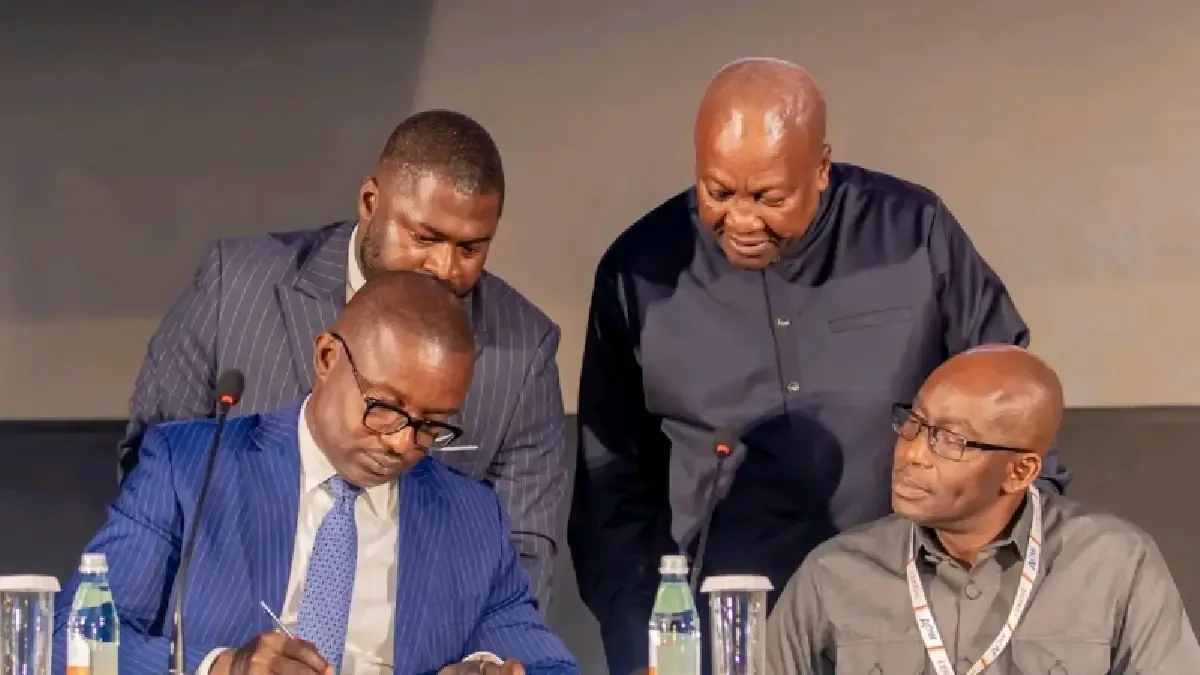
Beyond restoring the World Bank guarantee, the Mahama administration moved decisively to clear all outstanding invoices owed to Italian energy company ENI and commodities trading giant Vitol for gas supplied through the transformative Sankofa Gas Project. Between January and December 2025, the government settled approximately $480 million in gas arrears, ensuring that Ghana became fully current on its obligations to the Sankofa partners who provide the backbone of the nation’s thermal power generation capacity.
The Sankofa Gas Project, which commenced gas deliveries in August 2018, provides approximately 180 million standard cubic feet per day (MMscf/d) of natural gas—sufficient to supply half of Ghana’s power generation requirements—at an estimated net cost of less than $4.50 per million British thermal units (MMBtu). This represents a dramatic reduction compared to expensive liquid fuels or imported gas that Ghana had relied upon during periods when the project faced payment difficulties.
The integrated oil and gas development encompasses the Sankofa Main, Sankofa East, and Gye Nyame fields located approximately 60 kilometers offshore Ghana’s western coast. The project is operated by a consortium where ENI holds 44.44 percent as operator, Vitol owns 35.56 percent, and the Ghana National Petroleum Corporation (GNPC) maintains a 20 percent participating interest.
Finance Minister Forson emphasized that through prudent financial management, adequate budgetary provisions have now been secured to sustain timely payments going forward, breaking the destructive cycle of arrears accumulation that had characterized previous years.
Addressing Independent Power Producer Arrears
The comprehensive debt clearance extended to Ghana’s Independent Power Producers (IPPs), who had struggled for years with unpaid invoices that threatened their operational viability and willingness to continue supplying electricity to the national grid. In 2025 alone, the government paid approximately $393 million in legacy IPP debts following successful renegotiations of power purchase agreements designed to secure better value for money for Ghanaian electricity consumers.
According to detailed breakdowns provided by the Ministry of Finance, the IPP payments were distributed among multiple private power generation companies. Karpowership Ghana received the largest single payment of $120 million, settling arrears owed to the Turkish floating power ship operator that had provided critical emergency generation capacity during Ghana’s most severe power crises.
Cenpower Generation followed with $59.44 million, while Sunon Asogli Ghana Ltd received $54 million. Other significant payments included $42 million to Early Power Ltd, $37.98 million to Twin City Energy (Amandi), and $30 million each to AKSA Energy Ltd and Cenit Energy Ltd. Additional payments went to BXC Company Ltd ($10.56 million) and Meinergy Technology ($8.82 million).
Independent power producers issued a separate statement acknowledging that the clearance of long-outstanding obligations represents a major milestone in restoring financial stability and operational confidence across Ghana’s troubled power sector, which had experienced years of uncertainty and strained commercial relationships.
Historical Context: Ghana’s Persistent Power Crisis
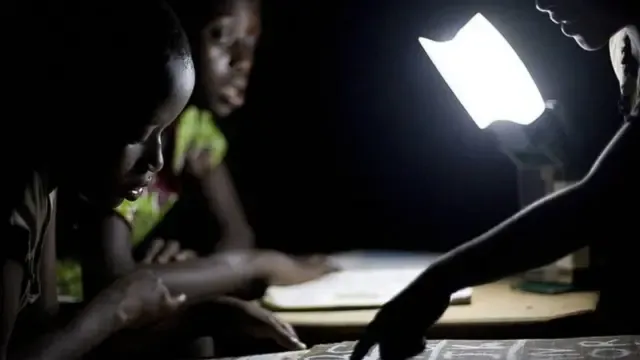
The debt settlement addresses problems that have plagued Ghana’s electricity sector for over a decade, manifesting most visibly in the phenomenon known as “dumsor”—an Akan language term derived from “dum” (to turn off) and “sɔ” (to turn on) that describes persistent, irregular, and unpredictable power outages caused by supply shortages.
Ghana’s power supply became profusely erratic beginning in early 2013 due to generation capacity constraints and breaches in contract obligations to external partners. By 2015, the nation experienced unprecedented days and nights of blackouts as generating capacity plummeted to an all-time low of 400-600 megawatts—far below what the country needed to meet demand. The blackout schedule deteriorated from 24 hours with power and 12 hours without, to 12 hours with power and 24 hours in darkness.
The Institute of Statistical, Social and Economic Research (ISSER) estimated that Ghana lost approximately $1 billion in 2014 alone due to dumsor, as businesses collapsed under the weight of unreliable electricity supply. The human cost extended beyond economic losses—hospitals operated without power for critical procedures, refrigerated medicines and food spoiled regularly, and in tragic cases, patients relying on electrically powered medical equipment lost their lives during outages.
More recently, energy sector analysts warned that power outages would persist well into 2025 unless fundamental structural problems were addressed. Nana Amoasi VII, Executive Director of the Institute for Energy Security (IES), attributed the ongoing crisis to inefficiencies within the Electricity Company of Ghana (ECG), aging infrastructure requiring replacement, and severe financial constraints affecting all participants in the energy value chain.
Ghana’s system peak demand reached 3,618 megawatts in December 2023, representing a 4.3 percent increase from 2022, with projections indicating peak load would climb to 3,788 megawatts in 2024—meaning any power generation below this threshold would inevitably result in widespread outages affecting homes and businesses across the nation of 33 million people.
One decision can change your entire career. Take that step with our Online courses in ACCA, HESI A2, ATI TEAS 7, HESI EXIT, NCLEX-RN, NCLEX-PN, and Financial Literacy. Join Serrari Ed and start building your brighter future today.
The Cash Waterfall Mechanism and Payment Discipline
Beyond merely clearing inherited arrears, the Mahama administration has implemented stricter enforcement of the Cash Waterfall Mechanism (CWM) managed by the Ministry of Energy and Green Transition. This payment prioritization framework is designed to ensure that revenue collected from electricity consumers flows systematically to pay for fuel inputs, generation costs, transmission services, and distribution expenses in a predetermined sequence that prevents the recurrence of payment bottlenecks.
Through disciplined implementation of this mechanism, the government has managed to remain largely current on IPP invoices throughout 2025, representing a dramatic departure from previous years when months or even years of arrears would accumulate before sporadic partial payments were made. Finance Minister Forson stressed that the government remains “firmly committed to further improving payment performance across all IPP obligations going forward.”
The successful application of the Cash Waterfall Mechanism addresses a critical structural weakness that energy sector experts had identified as fundamental to Ghana’s recurring power crises. When cash flow breaks down at any point in the energy value chain—whether from inefficient revenue collection by distribution companies, delayed payments from the government for subsidized electricity, or financial mismanagement—the entire system becomes paralyzed as upstream suppliers (gas providers, fuel importers, power generators) stop receiving payment and consequently curtail their services.
Engagement with Upstream Gas Partners
Complementing the settlement of existing debts, the government has engaged in constructive negotiations with upstream oil and gas producers to secure reliable future supplies. The Ministry of Finance announced that agreements had been reached with Tullow Oil and Jubilee Field partners on a comprehensive roadmap guaranteeing full payment for all gas off-taken from their operations.
This strategic engagement aims to accelerate domestic gas production, reduce Ghana’s costly reliance on imported liquid fuels, and support reliable nationwide electricity generation capable of powering the country’s industrial growth ambitions. Early results from these engagements have reportedly yielded increased gas output, guided by a clear national vision to rapidly scale up domestic supply to meet growing energy demand while lowering generation costs.
The Jubilee Field, Ghana’s flagship offshore oil discovery that commenced production in 2010, also produces associated natural gas that can supplement supplies from the Sankofa fields. However, monetizing this gas requires reliable payment mechanisms and infrastructure connections—precisely the areas where the government’s debt clearance and payment discipline improvements are expected to yield dividends.
Renegotiating Power Purchase Agreements
As part of its broader energy sector reset strategy, the Mahama administration successfully renegotiated all Independent Power Producer agreements to optimize terms and secure improved value for money for Ghanaian electricity consumers and taxpayers. The specific details of these renegotiations have not been publicly disclosed, but officials indicated the revised contracts address pricing structures, capacity payments, fuel pass-through mechanisms, and other commercial terms that determine the ultimate cost of electricity generation.
These renegotiations are particularly significant given that Ghana’s installed generation capacity includes a complex mix of public and private operators using diverse fuel sources—hydroelectric, natural gas thermal plants, heavy fuel oil plants, and even floating power ships. Each operates under distinct contractual arrangements negotiated during different periods, some during emergency situations when the government had limited bargaining power and accepted expensive terms simply to prevent total grid collapse.
Industry observers have long argued that some of Ghana’s power purchase agreements contain unfavorable terms that lock the country into paying for generation capacity even when it is not needed (take-or-pay clauses) or that set electricity prices above regional benchmarks. The ability to renegotiate these contracts from a position of having cleared arrears and restored payment discipline theoretically strengthens Ghana’s leverage to secure more favorable terms.
Fiscal and Economic Implications
The $1.47 billion debt clearance represents an enormous fiscal commitment for a country that has recently emerged from a severe economic crisis. Ghana experienced inflation soaring to 54 percent in December 2022, prompting the government to seek a $3 billion bailout program from the International Monetary Fund to stabilize public finances and restore macroeconomic stability.
The energy sector debts had effectively functioned as hidden liabilities on the government’s balance sheet—contractual obligations that were not being met but nonetheless represented genuine claims against public resources. Their accumulation created contingent fiscal risks that could materialize suddenly if creditors pursued legal remedies, threatened to halt services, or if the World Bank guarantee was triggered requiring immediate repayment.
By clearing these legacy obligations within a single fiscal year, the Mahama administration has effectively converted these contingent liabilities into actualized expenditures that are now behind the country rather than looming as future financial threats. However, this front-loading of payments also raises questions about the sources of funding and whether the clearance involved drawing down reserves, securing new financing, reallocating resources from other priorities, or some combination of approaches.
Finance Minister Forson emphasized that the payments were enabled through “disciplined financial management” while “securing provisions for timely future obligations,” suggesting that the government has implemented both expenditure controls and revenue enhancement measures to create fiscal space for these critical energy sector payments alongside maintaining current obligations.
International Credibility and Investment Climate
Perhaps the most significant long-term benefit from clearing the energy sector debts lies in restoring Ghana’s credibility with international investors, development finance institutions, and commercial lenders. The complete depletion of the World Bank Partial Risk Guarantee had sent alarming signals to the global financial community about governance weaknesses and payment discipline failures in one of West Africa’s most important economies.
For international energy companies evaluating potential investments in Ghana or negotiations over gas supply contracts, the restoration of the PRG and clearance of arrears to ENI and Vitol demonstrate renewed commitment to honoring contractual obligations. This credibility restoration is essential for attracting the private capital needed to develop Ghana’s substantial untapped oil and gas resources and to finance urgently needed investments in power generation, transmission, and distribution infrastructure.
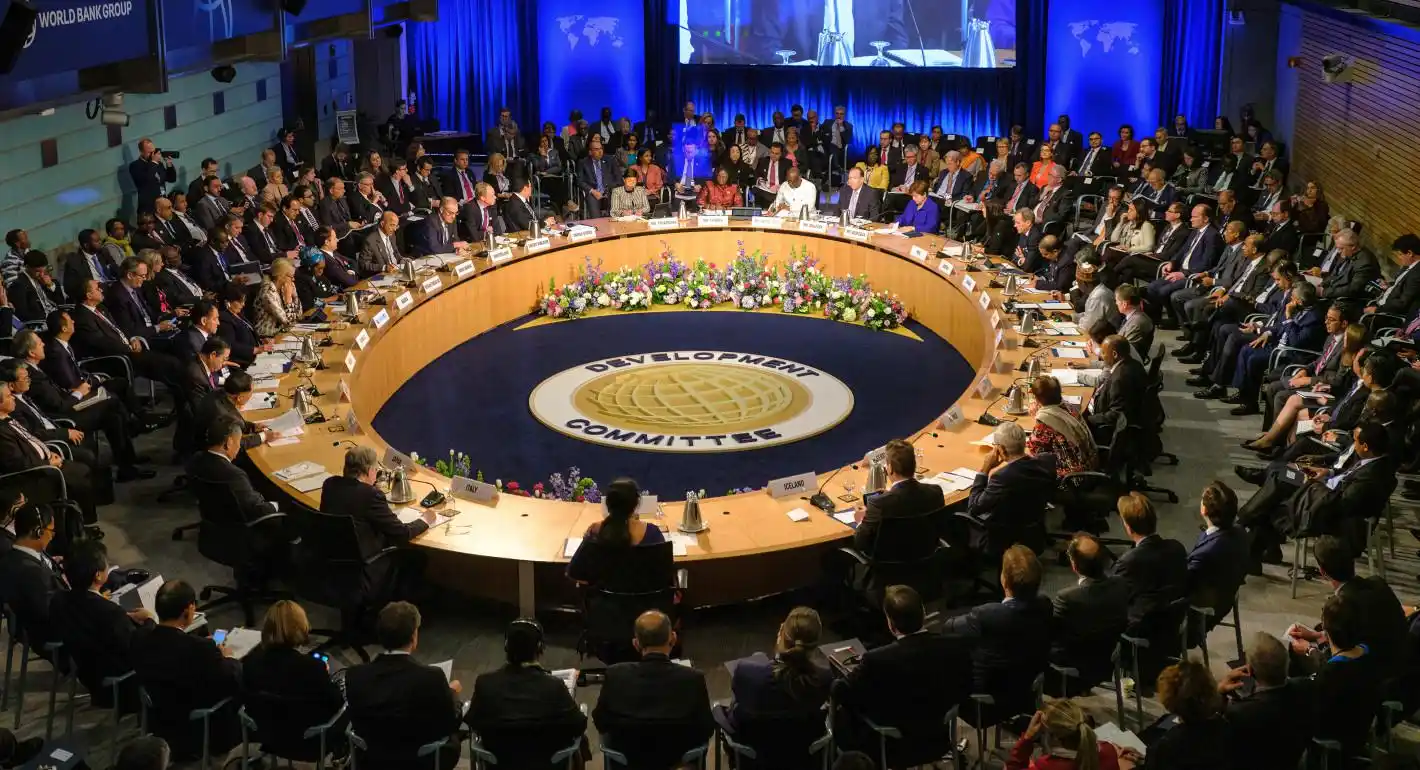
The World Bank’s involvement through the Partial Risk Guarantee, alongside financing from IFC (International Finance Corporation) and political risk insurance from MIGA (Multilateral Investment Guarantee Agency), had been instrumental in mobilizing the $7-8 billion in private investment that financed the Sankofa Gas Project—Ghana’s largest single foreign direct investment inflow since independence. The guarantee’s depletion had raised fundamental questions about whether such complex public-private partnerships remained viable in Ghana.
By fully restoring the guarantee within twelve months of taking office, the Mahama administration has effectively reopened the door to similar blended finance structures that combine development finance institution support with private capital to fund transformative infrastructure projects that purely commercial investors might consider too risky in frontier markets.
Looking Forward: Sustainability Challenges
While the debt clearance represents a remarkable achievement, sustaining the improved payment discipline over the longer term will require addressing structural challenges that extend beyond simply allocating sufficient budget resources. The Institute for Energy Security’s Nana Amoasi VII has repeatedly warned that until fundamental inefficiencies in the Electricity Company of Ghana are resolved—particularly around revenue collection from consumers and reduction of technical and commercial losses—the conditions that created the debt crisis will persist.
Ghana Grid Company (GRIDCo) faces its own infrastructure challenges, with aging transmission equipment requiring substantial capital investment to maintain reliability and accommodate growing demand. Similarly, the distribution companies must invest in modernizing networks, installing smart metering systems to reduce theft and improve billing accuracy, and upgrading substations and transformers to prevent the localized outages that continue plaguing specific neighborhoods even when overall generation capacity is adequate.
The government must also navigate delicate tradeoffs between maintaining affordable electricity tariffs for consumers—particularly low-income households and small businesses struggling with economic hardship—and setting rates high enough to ensure the financial viability of the power sector. Politically motivated decisions to freeze or reduce tariffs below cost-recovery levels have historically contributed to debt accumulation across the value chain.
Additionally, Ghana’s vulnerability to external shocks remains significant. The country still relies partially on gas imports from Nigeria through the West Africa Gas Pipeline, which has proven notoriously unreliable due to pipeline maintenance issues, supply disruptions, and commercial disputes. Maintenance work on this pipeline in early 2025 required Ghana to revert to expensive liquid fuels to keep thermal plants operating, placing immediate fiscal pressure on the recently improved payment situation.
Conclusion: A Turning Point for Ghana’s Energy Future
The clearance of $1.47 billion in energy sector debts within President Mahama’s first year in office represents more than an accounting exercise or fiscal achievement—it symbolizes a fundamental pivot point for Ghana’s energy sector and broader economic prospects. Reliable electricity supply underpins virtually every aspect of economic development, from manufacturing and services to agriculture value addition and digital economy growth.
The government’s assertion that “the era of uncontrolled energy sector debt accumulation is over” will be tested in coming years as demand continues growing, infrastructure requires ongoing investment, and political pressures for subsidized electricity persist. However, by demonstrating the will and capacity to clear legacy debts, restore critical financial safeguards, and implement disciplined payment mechanisms, the Mahama administration has created an opportunity to break the destructive cycle that has hobbled Ghana’s power sector for more than a decade.
For Ghana’s citizens and businesses who have endured years of debilitating power outages—losing productivity, damaging equipment, spoiling inventory, and in tragic cases losing lives—the debt clearance offers hope that the nightmare of dumsor may finally be relegated to history rather than remaining an omnipresent threat to daily life and economic survival. Whether this promise is fulfilled will depend on sustained implementation of the reforms and payment discipline that enabled the historic debt settlement.
Ready to take your career to the next level? Join our Online courses: ACCA, HESI A2, ATI TEAS 7 , HESI EXIT , NCLEX – RN and NCLEX – PN, Financial Literacy!🌟 Dive into a world of opportunities and empower yourself for success. Explore more at Serrari Ed and start your exciting journey today! ✨
Track GDP, Inflation and Central Bank rates for top African markets with Serrari’s comparator tool.
See today’s Treasury bonds and Money market funds movement across financial service providers in Kenya, using Serrari’s comparator tools.
Photo source: Google
By: Montel Kamau
Serrari Financial Analyst
13th January, 2026