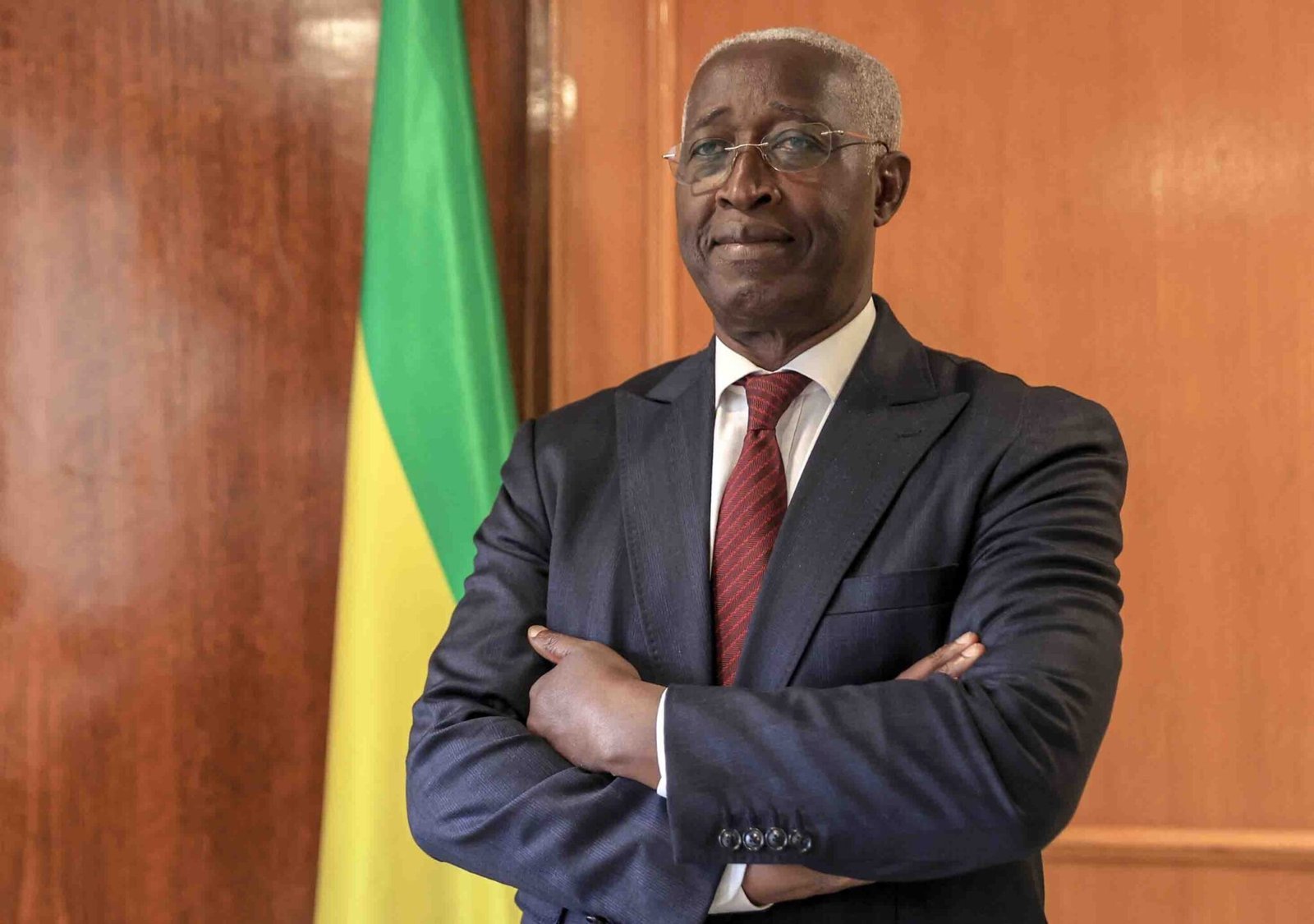
In the wake of a recent coup that shook the political landscape of Gabon, the newly appointed Prime Minister, Raymond Ndong Sima, has declared his commitment to honoring the nation’s debt obligations while also seeking to implement reforms to stabilize the economy and combat corruption within the government. As the nation grapples with the fallout from the coup and rising energy prices, these promises aim to address the concerns of both international creditors and the Gabonese people.
Sima assumed the role of Prime Minister on September 7, just one week after military officers ousted President Ali Bongo from power. General Brice Oligui Nguema was appointed as the transitional leader, turning Gabon into a focal point of global attention. Initially placed under house arrest, former President Bongo has since been released and is now free to leave the country. However, he has chosen to remain in the capital city of Libreville, where his wife and son are also being detained, as confirmed by Sima in a recent interview.
The political turmoil in Gabon has led to international credit rating agencies expressing their concerns. Fitch Ratings, in particular, placed Gabon’s credit rating on negative watch, citing the political instability following the coup and the uncertainty surrounding the new government’s willingness to repay its loans. Moody’s Investors Service also downgraded its outlook on the nation’s foreign debt rating from stable to negative.
In response to these concerns, Prime Minister Sima offered reassurances, stating, “Gabon will definitely honor its debt obligations.” He went on to explain that the ministers of the economy and public accounts are currently analyzing the extent of the country’s debts to both domestic and foreign creditors. A detailed statement outlining the repayment plans will be released at the end of September.
Gabon’s outstanding debt, a total of $2.8 billion in bonds and loans, has been a source of concern for investors. Last month, the nation took steps to address this issue by agreeing to a $500 million debt-for-nature swap. This involved refinancing a portion of its bonds on more favorable terms in exchange for a commitment to marine conservation efforts.
The volatility caused by the coup was initially reflected in the yields on Gabon’s Eurobonds. However, these securities have since regained some stability. For example, the 2025 debt, which yielded 19.97% on September 1 at its peak, has now decreased to 13.96% as of Tuesday. Similarly, the 2031 notes, which previously yielded 12.48%, now stand at 11.59%.
As Gabon navigates these turbulent times, the commitment to honoring its financial obligations and implementing crucial economic reforms will be closely monitored by both international investors and the Gabonese people. The nation’s ability to stabilize its political situation and foster economic growth will undoubtedly shape its future trajectory.
Photo Source: Google
September 13, 2023
By: Delino Gayweh
Serrari Financial Analyst