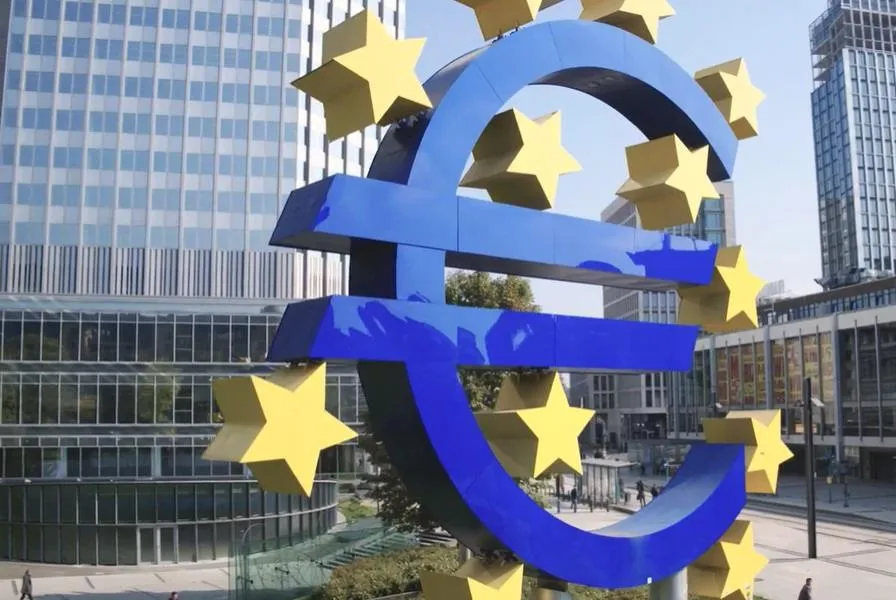
The European Central Bank has announced an intensified supervisory approach to climate and environmental risks following the successful completion of its two-year Climate and Nature Plan, signaling a pivotal shift from policy framework development to rigorous implementation and enforcement across Europe’s banking sector.
The announcement, made on January 16, 2026, comes as the ECB concludes its climate and nature plan for 2024-2025, a comprehensive roadmap that was launched in early 2024 to address the accelerating economic and financial consequences of climate change and environmental degradation affecting the eurozone.
Build the future you deserve. Get started with our top-tier Online courses: ACCA, HESI A2, ATI TEAS 7, HESI EXIT, NCLEX-RN, NCLEX-PN, and Financial Literacy. Let Serrari Ed guide your path to success. Enroll today.
From Framework Building to Active Enforcement
Over the past two years, the ECB has successfully embedded climate and nature-related risks into its core operational functions, marking significant progress in integrating environmental considerations across monetary policy, banking supervision, and financial stability frameworks. However, the central bank has emphasized that climate and nature risks are intensifying faster than initially anticipated, necessitating a more robust supervisory response.
According to the ECB’s assessment, the institution has refined its evaluation of how climate and nature-related risks inform policy decisions, improved supervisory oversight of banks’ risk management practices, and enhanced the management of environmental risks in its own portfolios and operations. This comprehensive integration reinforces the ECB’s ability to fulfill its mandate while safeguarding the stability of the European banking system.
The climate and nature plan 2024-2025 identified three strategic focus areas that guided the ECB’s activities: understanding the implications of the green transition for the economy and financial system, assessing the physical impact of climate change and extreme weather events, and analyzing nature-related risks including biodiversity loss and ecosystem degradation.
Strategic Integration Across Monetary Policy Functions
The ECB has made substantial progress in integrating climate considerations into its monetary policy framework over the two-year period. This includes the introduction of a climate-related factor into the Eurosystem collateral framework, which determines which assets banks can use as security when borrowing from the central bank.
Additionally, the ECB has continued its efforts to reduce the carbon footprint of the Eurosystem’s corporate bond holdings, demonstrating its commitment to environmental responsibility in its own investment activities. Climate considerations, including transition policies such as the Emissions Trading System 2, are now integrated into the ECB’s macroeconomic forecasting and scenario analysis.
The central bank has also improved its climate-related indicators and disclosures, enhancing the monitoring of developments in sustainable finance, carbon emissions reduction efforts, and the impact of climate-related physical hazards. These statistical improvements provide better data infrastructure for assessing how climate risks affect economic activity and financial stability.
Furthermore, the ECB reduced emissions from its own operations by 39% in 2024 compared with 2019 levels, demonstrating leadership by example and progress toward its 2030 environmental targets. This operational achievement underscores the institution’s commitment to environmental responsibility beyond its supervisory and monetary policy functions.
Enhanced Scrutiny of Bank Transition Plans
One of the ECB’s primary supervisory priorities moving forward will be the rigorous assessment of banks’ prudential transition plans. Supervisors will evaluate whether financial institutions have developed credible, actionable strategies for aligning their business models with the transition to a low-carbon economy and the European Union’s commitment to achieving climate neutrality by 2050.
This enhanced scrutiny will involve deeper analysis of energy transition pathways, including how banks are supporting clients in decarbonizing their operations while managing the financial risks associated with stranded assets and changing energy markets. The ECB will also examine the fiscal and economic costs associated with decarbonization efforts, recognizing that the transition will require massive investments in renewable energy infrastructure, energy efficiency improvements, and new technologies.
Banks will be expected to demonstrate not only that they have disclosed transition intentions and targets, but that they possess the operational capabilities and risk management systems necessary to navigate the financial risks associated with delayed or disorderly transitions. Research has shown that disorderly transition scenarios where climate policies are implemented late and abruptly can result in significantly higher costs and greater financial instability compared to orderly, gradual transitions.
The ECB’s focus on transition plans aligns with broader European regulatory initiatives. Under the Capital Requirements Directive VI (CRD VI), which entered into force in July 2024 and must be transposed into national law by January 2026, banks are required to establish robust strategies, policies, processes, and systems for the identification, measurement, and management of environmental, social, and governance risks.
Physical Climate Risk Takes Center Stage
The ECB has signaled a significant strengthening of its analysis and supervisory oversight of physical climate risks, reflecting the growing frequency and severity of extreme weather events across Europe and their increasingly tangible impacts on the financial sector. Recent floods, droughts, heatwaves, and other climate-related disasters have demonstrated that physical risks are not distant future scenarios but present-day realities affecting loan portfolios, collateral values, and insurance coverage.
Physical climate risks encompass both acute hazards, such as floods, hurricanes, and wildfires that cause sudden damage to assets and infrastructure, and chronic risks like rising sea levels, increasing temperatures, and changing precipitation patterns that gradually erode asset values and economic productivity. According to the Network for Greening the Financial System, up to 13% of global GDP could be at risk by the end of the century from physical climate impacts, even before accounting for the potential consequences of severe weather events, sea-level rise, and wider societal impacts from migration or conflict.
The ECB’s planned actions include enhanced macroeconomic analysis to better understand how extreme weather events affect inflation dynamics, economic growth, and financial system stability. The central bank will improve data availability and granularity to enable more precise monitoring of physical risk exposure across the banking system, including geographic concentrations of climate-vulnerable assets and sectoral exposures to climate-sensitive industries.
Supervisors will assess banks’ operational readiness to manage physical risks, including their ability to incorporate climate hazards such as floods, heatwaves, and droughts into credit risk assessment, stress testing methodologies, and capital planning processes. This includes evaluating whether banks have adequate systems to identify which borrowers and collateral assets are exposed to specific physical hazards and how these exposures could translate into credit losses under different climate scenarios.
The ECB has noted that banks’ management of physical climate risks remains deficient despite previous supervisory guidance. The ECB’s thematic review in November 2022 concluded that banks fell significantly short of the expectations outlined in the ECB’s Guide on Climate-Related and Environmental Risks, prompting the issuance of binding supervisory decisions and periodic penalty payments for non-compliant institutions.
Research indicates that physical climate risks significantly impact real estate values and portfolio performance, with extreme weather events affecting both residential and commercial property markets. Studies have found that loan officers in smaller lending institutions sometimes approve fewer mortgage applications during abnormally warm weather, suggesting that ad hoc decision-making based on recent experience rather than systematic risk assessment is influencing lending behavior.
Water-Related Risks Emerge as Critical Concern
Beyond traditional climate risks, the ECB has confirmed that it will intensify work on nature-related financial risks and ecosystem degradation, with particular emphasis on water-related risks given their material relevance to agriculture, energy generation, manufacturing, and regional economic resilience throughout the eurozone.
ECB research has revealed a deep interconnectedness between nature and the euro area economy, with water-related risks emerging as among the most material environmental threats facing the financial system. Recent studies have found that water-related risks alone, including surface and groundwater shortages, could threaten up to 24% of economic output in the euro area.
The degradation of water-related ecosystem services poses a massive threat to euro area financial stability. Analysis shows that nearly 12% of economic output is at risk due to reduced flood protection from degraded ecosystems, with more than 60% of bank loans granted to companies located in areas where ecosystems fail to meet more than half of flood protection demand.
Water scarcity affects multiple sectors critical to the European economy. Agriculture is particularly vulnerable to water stress, as irrigation becomes more challenging and crop yields decline. The energy sector faces risks from reduced water availability for cooling thermal power plants and hydroelectric generation. Manufacturing industries that rely on water-intensive processes for production could face supply disruptions and increased costs.
Research published in an ECB occasional paper analyzing nature-related risks found that water ecosystems in the EU are particularly distressed, with persistent threats from pollution and overextraction. Degraded ecosystems undermine productivity, disrupt supply chains, and increase vulnerability to shocks, creating risks for both the economy and the financial sector.
The ECB’s assessment found that 72% of euro area non-financial corporations critically depend on at least one ecosystem service, and that around 75% of corporate bank loans are linked to these firms. This high dependency highlights the vulnerability of economic activity to ecosystem degradation and the potential for nature-related shocks to transmit through the financial system.
Water quality issues are also emerging as significant risks. In the EU, stricter water-quality standards are being implemented, with the EU Drinking Water Directive introducing stringent limits on contaminants including PFAS (per- and polyfluoroalkyl substances) beginning January 2026. These regulatory changes could impose substantial compliance costs on water utilities and industries that discharge wastewater, potentially affecting their creditworthiness and ability to service debt.
One decision can change your entire career. Take that step with our Online courses in ACCA, HESI A2, ATI TEAS 7, HESI EXIT, NCLEX-RN, NCLEX-PN, and Financial Literacy. Join Serrari Ed and start building your brighter future today.
Nature Degradation and Biodiversity Loss
The ECB’s expanded focus on nature extends beyond water to encompass broader ecosystem degradation and biodiversity loss. The institution has acknowledged that the economy relies fundamentally on nature and cannot exist without healthy ecosystems, making nature degradation a source of financial risk that requires systematic assessment and management.
Biodiversity loss poses both physical and transition risks to the European economy and financial system. Physical risks arise when ecosystem degradation impairs production processes, disrupts supply chains, or reduces the availability of natural resources. For example, soil erosion in the EU causes an estimated €1.25 billion in annual productivity losses, with global soil erosion projected to rise by up to 66% by 2070, potentially resulting in cumulative global GDP losses of $216-625 billion over the period from 2015 to 2070.
The decline of pollinators represents another critical risk. Pollinators are essential for agricultural production, with many crops dependent on insect pollination for optimal yields. The loss of pollinator populations due to habitat destruction, pesticide use, and climate change could significantly reduce agricultural productivity, affecting food security and farmers’ incomes while potentially driving up food prices and contributing to inflation pressures.
Transition risks related to nature arise from policy responses to address biodiversity loss and ecosystem degradation. The UN Convention on Biological Diversity set global targets in 2022, including the conservation of at least 30% of the world’s lands, inland waters, coastal areas, and oceans by 2030 as part of the Kunming-Montreal Global Biodiversity Framework. Such government measures could lead to changes in regulation and policy that limit the exploitation of natural resources or ban certain products, forcing companies to adapt their business models.
The ECB’s updated monetary policy strategy statement in 2025 explicitly acknowledges the implications of nature degradation for monetary policy for the first time, marking a significant expansion of the central bank’s environmental mandate. This recognition reflects growing understanding that nature-related risks can have direct implications for price stability through impacts on agricultural productivity, supply chains, and commodity prices.
Improved Banking Sector Resilience Through Supervision
The ECB has reported that banks are now better able to assess climate and nature risks compared to two years ago, supported by continuous supervisory follow-up including the issuance of binding decisions where necessary to ensure compliance with supervisory expectations. This improvement in risk assessment capabilities represents progress toward building a more climate-resilient banking sector.
However, the ECB has emphasized that these advances must accelerate as real-world impacts of climate change increasingly affect asset values, credit quality, and macroeconomic stability. Several banks that failed to meet the ECB’s deadline in March 2023 to perform climate risk materiality assessments received binding supervisory decisions in December 2023, which included periodic penalty payments for non-compliance.
Throughout 2024, the ECB has reiterated warnings of enforcement action against banks failing to adequately integrate climate-related risks into their governance, strategy, and risk management arrangements. The central bank has highlighted continuing deficiencies in the management of both physical and transition climate risks as a supervisory priority requiring sustained attention.
Banks are expected to develop robust internal processes to identify, measure, manage, and monitor climate and nature-related risks across short, medium, and long-term time horizons. This includes conducting scenario analysis and stress testing to evaluate how their portfolios would perform under different climate and nature degradation scenarios, from orderly transitions with gradual policy implementation to disorderly scenarios with abrupt regulatory changes or severe physical impacts.
The ECB has contributed to and carried out climate stress testing and scenario analysis, including participation in exercises evaluating the Fit-for-55 package of EU climate policies. The central bank is also leading work to design climate scenarios within the Network for Greening the Financial System, helping to develop methodologies that can be used by central banks and supervisors globally.
Continuing Priority Areas and Future Commitments
Going forward, the ECB will continue intensifying work in three interconnected priority areas that build upon the foundation established during the 2024-2025 plan. These priorities reflect the central bank’s recognition that climate and nature-related risks are not temporary challenges but structural features of the economic and financial landscape that require sustained attention.
The first priority area focuses on the transition to a green economy. Beyond assessing banks’ prudential transition plans, the ECB will conduct further analysis of energy transition costs, fiscal implications of climate policies, and how climate-related considerations could be further incorporated into the operational framework of monetary policy. This work will explore whether additional adjustments to monetary policy instruments or the Eurosystem’s balance sheet management are warranted to support the transition within the ECB’s mandate.
The second priority area addresses coping with the growing physical impacts of climate change on the economy and financial system. This involves strengthening macroeconomic analysis to better understand how extreme weather events affect economic activity and inflation, improving data infrastructure and risk monitoring capabilities, and conducting further analysis of banks’ abilities to tackle challenges related to physical risk management. The ECB will assess whether banks have adequate insurance coverage, business continuity plans, and operational resilience measures to withstand climate-related disruptions.
The third priority area encompasses the impact of nature-related risks and ecosystem degradation, with particular attention to water-related risks. The ECB will assess how water scarcity, flooding, and water quality degradation could affect different sectors of the economy and the credit quality of bank exposures. This analysis will help identify systemic vulnerabilities and inform supervisory expectations for how banks should manage nature-related risks.
These priorities will complement the ECB’s ongoing climate-related actions covering monetary policy, banking supervision, and financial stability. This includes implementing the climate factor in the Eurosystem collateral framework, further developing scenario and stress test methodologies, and ensuring banks’ prudent management of climate and nature-related risks through supervisory oversight.
Data and Analytical Capacity Development
The ECB will continue to improve the quality and availability of data relevant to assessing climate and nature risks. This includes refining climate-related indicators, enhancing disclosures about the environmental characteristics of financial assets, and supporting the development of international statistical standards for environmental and sustainability data.
Improved data infrastructure is essential for effective risk assessment and monitoring. Banks require granular information about the carbon emissions of their borrowers, the physical climate vulnerabilities of collateral assets, the water dependency of financed activities, and the biodiversity impacts of economic sectors. Without adequate data, both banks and supervisors struggle to accurately quantify risks and make informed decisions about capital allocation and risk management.
The ECB has made progress in developing climate-related statistical indicators that improve the monitoring of sustainable finance flows, track carbon emissions intensity across sectors, and measure exposure to physical climate hazards. These indicators provide valuable insights for policymakers, market participants, and the public about the state of the green transition and climate risk exposures in the financial system.
The central bank will also contribute to European and global policy discourse on climate and nature-related financial risks where relevant. This includes participation in international forums such as the Network for Greening the Financial System, the Financial Stability Board, and the Basel Committee on Banking Supervision to share experiences, develop common methodologies, and coordinate supervisory approaches across jurisdictions.
Structural Shift in Financial Stability Paradigm
The ECB’s intensified focus on climate and nature risks represents a fundamental shift in how financial stability is conceived and managed. Environmental risks are no longer viewed as peripheral sustainability issues or reputational concerns, but as structural drivers of financial instability that require continuous oversight and intervention comparable to traditional prudential risks.
This paradigm shift reflects recognition that climate change and nature degradation create risks that are fundamentally different from conventional financial risks in several important ways. First, they involve longer time horizons that extend beyond typical credit cycles and business planning periods. Second, they exhibit strong path dependency, where early action significantly affects future outcomes and delayed responses lead to escalating costs. Third, they involve systemic rather than idiosyncratic risks that cannot be fully diversified away through portfolio allocation.
Christine Lagarde, President of the ECB, has emphasized that climate risks are systemic, posing significant long-term threats to financial stability. These risks are certain to impact financial systems unless mitigative actions are taken, as evidenced by devastating floods and other extreme weather events across Europe. The evolution of climate risks breaks from traditional probabilistic frameworks in that it effectively presents a certainty of adverse impact rather than a risk in the conventional sense without mitigation efforts.
The ECB’s approach acknowledges that traditional risk management frameworks developed for financial shocks may be inadequate for managing climate and nature-related risks. New analytical tools, stress testing methodologies, and supervisory practices are needed to effectively assess and mitigate these emerging risks while supporting the necessary economic transformation toward sustainability.
Legal and Mandated Foundations
The ECB’s climate and nature work is grounded in its legal mandate under European Union treaties. The central bank’s primary objective is maintaining price stability in the euro area, but it must also support the general economic policies of the EU without prejudice to price stability. These general economic policies explicitly include achieving a high level of protection and improvement of the quality of the environment.
Under Article 7 of the Treaty on the Functioning of the European Union, the ECB’s activities and policies must be consistent with EU law, including EU legislation on climate, nature, and biodiversity. This legal framework provides a clear mandate for the ECB to incorporate environmental considerations into its operations while pursuing its price stability objective.
The EU’s climate policy, including the European Green Deal and the European Climate Law establishing the goal of climate neutrality by 2050, constitutes a fundamental part of the general economic policies that the ECB must support. Similarly, the adoption of the Nature Restoration Law and the signing of the Kunming-Montreal Global Biodiversity Framework suggest that nature protection constitutes an independent general economic policy that the ECB should support within its mandate.
Challenges and Path Forward
Despite the progress made under the 2024-2025 plan, significant challenges remain in effectively integrating climate and nature risks into financial supervision and monetary policy. Data gaps persist, particularly regarding scope 3 emissions, nature dependencies, and forward-looking indicators of transition readiness. Methodological challenges exist in modeling complex, nonlinear climate and ecosystem dynamics and translating them into financial risk metrics.
The ECB has concluded that climate change and nature loss continue to pose escalating threats to the economy and financial system despite institutional efforts to address them. The next phase of work will therefore shift emphasis from framework development toward deeper supervisory scrutiny, more sophisticated risk quantification, and fuller operational integration across all aspects of the central bank’s activities.
By staying the course and enhancing its analytical and operational capacity, the ECB aims to carry out its mandate effectively in an environment increasingly shaped by climate and nature-related risks. The intensification of supervisory focus on bank transition plans, physical climate risk preparedness, and nature-related exposures sends a clear message that environmental risks have become central to the ECB’s conception of financial stability and its supervisory priorities.
The coming years will test whether this enhanced supervisory approach can effectively drive improvements in how banks identify, measure, and manage climate and nature risks while supporting the European economy’s transition toward sustainability. The ECB’s success in this endeavor will have significant implications not only for financial stability in Europe but also for global efforts to align financial systems with climate and environmental objectives.
Ready to take your career to the next level? Join our Online courses: ACCA, HESI A2, ATI TEAS 7 , HESI EXIT , NCLEX – RN and NCLEX – PN, Financial Literacy!🌟 Dive into a world of opportunities and empower yourself for success. Explore more at Serrari Ed and start your exciting journey today! ✨
Track GDP, Inflation and Central Bank rates for top African markets with Serrari’s comparator tool.
See today’s Treasury bonds and Money market funds movement across financial service providers in Kenya, using Serrari’s comparator tools.
photo source: Google
By: Montel Kamau
Serrari Financial Analyst
20th January, 2026