










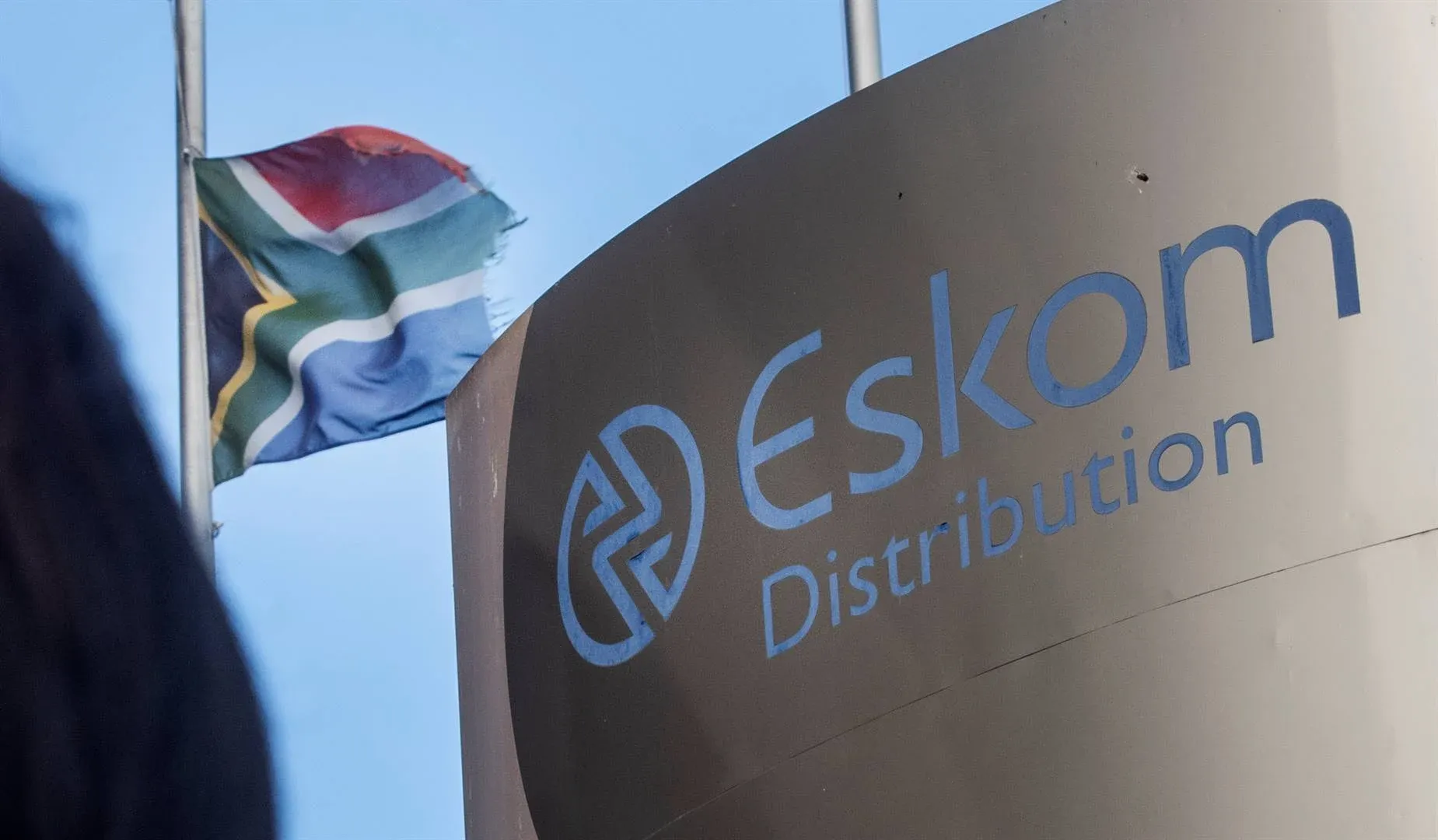
South Africa’s beleaguered ferrochrome sector received a critical lifeline this week as Eskom signed a memorandum of understanding with the country’s two largest chrome producers—Samancor Chrome and Glencore-Merafe—in a desperate bid to halt a devastating wave of retrenchments and smelter closures that threatens to decimate an industry crushed by 900% electricity tariff increases since 2008.
The agreement, finalized following constructive engagements on Friday with Minister of Electricity and Energy Kgosientsho Ramokgopa and organized labour, commits the parties to develop a sustainable, long-term intervention for a sector that has been severely affected by global market pressures and catastrophic production cost escalation. The National Energy Regulator of SA (Nersa) is currently processing an application for an interim tariff adjustment which, once approved, will suspend retrenchments and return 40% of smelter capacity back online.
Build the future you deserve. Get started with our top-tier Online courses: ACCA, HESI A2, ATI TEAS 7, HESI EXIT, NCLEX-RN, NCLEX-PN, and Financial Literacy. Let Serrari Ed guide your path to success. Enroll today.
The Ferrochrome Crisis: A Perfect Storm
South Africa’s ferrochrome industry finds itself caught in a perfect storm of economic pressures that threaten its very survival. The sector, which once dominated global ferrochrome production, has been systematically dismantled by a brutal combination of skyrocketing electricity costs, weak global commodity prices, and intensifying competition from China—a nation that has strategically positioned itself to absorb South Africa’s chrome ore and process it domestically.
The statistics paint a grim picture. According to Minerals Council South Africa, electricity costs have increased 900% since 2008, rendering domestic smelters fundamentally uncompetitive and unprofitable on the global stage. This dramatic escalation has forced producers to make impossible choices: absorb unsustainable losses, shutter operations entirely, or pivot to exporting raw chrome ore—a strategy that forfeits approximately 80% of potential value that could be generated through domestic processing.
The Glencore-Merafe Chrome Venture, which accounts for roughly a third of South Africa’s chrome output with ferrochrome capacity of 2.3 million tons, has been particularly hard-hit. The joint venture started shutting down furnaces in 2021 due to rising electricity costs and market weakness, and earlier this year mothballed its Boshoek and Wonderkop smelters. Production was also suspended at the Lion smelter, the only remaining ferrochrome operation within the venture, though it has since restarted with long-term viability contingent on ferrochrome price recovery and energy cost relief.
Trade union Solidarity reported in September that nearly half of Glencore-Merafe’s 22 furnaces had been permanently or temporarily shut, with closure of the remaining furnaces endangering more than 2,400 jobs. Samancor Chrome had also threatened to slim down its operations in response to high energy costs next year, with 2,496 jobs on the line.
South Africa’s Chrome Reserves: A Squandered Advantage
The tragedy of South Africa’s ferrochrome crisis is magnified by the country’s extraordinary natural endowment. South Africa holds approximately 80% of the world’s known chrome ore reserves, according to Glencore, positioning the country as a key player in global ferrochrome production. When upper group two (UG2) reserves from platinum mines are included, this figure reaches 82%, giving South Africa an unparalleled strategic advantage that should translate into global dominance.
However, this advantage has been systematically eroded. In 2024, South Africa supplied approximately 3.3 million tonnes of ferrochrome out of a global production total of 17.5 million tonnes—a far cry from the nation’s historical peak when it produced nearly 50% of the world’s supply. Meanwhile, chrome ore exports have soared dramatically, with industry analysts estimating that 50% of South Africa’s chrome ore supply now goes to exports, predominantly to China.
This shift represents a fundamental reversal of South African government policy, which actively promotes the beneficiation that ferrochrome embodies. For every ton of ferrochrome exported, R9,000 is contributed to South Africa’s GDP compared with only R1,600 for every ton of ore exported. The local production of ferrochrome creates five times more value in the South African economy than chrome ore extraction and three times more jobs.
The Devastating Employment Impact
The employment consequences of the ferrochrome sector’s collapse extend far beyond the immediate smelter workforce. South Africa has lost an estimated 300,000-350,000 jobs due to the closure of 14 energy-intensive smelters across the country in recent years. The decline in ferrochrome production is poised to eliminate between 60,000 and 80,000 additional South African jobs in domestic ferrochrome smelters if current trends continue unchecked.
According to union estimates, some 2,425 direct jobs and more than 17,000 indirect jobs would be affected by the closure of just the Glencore-Merafe operations alone. These figures underscore the critical importance of the industry not just to the workers directly employed in the smelters, but to entire communities and regional economies that depend on the multiplier effects of ferrochrome production.
The Congress of South African Trade Unions (COSATU) welcomed the progressive agreement to halt retrenchments, characterizing it as responding to “the dire impact of the increasingly unaffordable price of electricity upon these heavy intensive users.” The union emphasized that the three-month suspension of Section 189 retrenchment processes would “provide welcome relief to thousands of workers at these companies whilst further engagements take place.”
The Electricity Tariff Crisis
At the heart of the ferrochrome industry’s existential crisis lies a fundamental mismatch between the economics of energy-intensive smelting and South Africa’s electricity pricing structure. Ferrochrome production demands continuous high-temperature operations that require maintaining furnace temperatures above 1,600°C to effectively reduce chromite ore, creating an energy profile unlike most industrial operations.
Industry estimates suggest that energy intensity typically ranges from 3-5 MWh per ton of ferrochrome produced, with electricity costs now accounting for over 40% of smelter operating costs in South Africa—a stark increase from levels seen in 2005. This concentration of costs in a single input creates unique vulnerability where even modest tariff increases can fundamentally alter production economics.
The more than 900% increase in electricity tariffs since 2008, as documented by industry associations, has rendered domestic smelters uncompetitive and unprofitable compared to international rivals. Both the Minerals Council South Africa and Ferro Alloy Producers Association have been clear that the price and availability of chrome ore is not the cause of South Africa’s ferrochrome smelter closures or suspensions—rather, it is the electricity cost burden that has proven insurmountable.
Negotiated Pricing Agreements and Hardship Provisions
Samancor Chrome and Glencore-Merafe currently operate under negotiated pricing agreements (NPAs) approved by Nersa in October 2023. These six-year agreements, which took effect earlier this year, fall under the Interim Long-Term Framework issued by the then Department of Mineral Resources and Energy in 2020. The framework provides qualifying energy-intensive industries with access to more globally competitive tariff structures, aimed at supporting production, protecting jobs and maintaining South Africa’s industrial capacity.
However, earlier this year, both smelters activated the “hardship provisions” of their NPAs as market prices dropped and electricity costs became increasingly difficult to absorb. In response, Eskom applied for a temporary waiver of take-or-pay obligations, which Nersa approved for a limited period. While this helped stabilize operations temporarily, it highlighted the urgency of establishing a more sustainable, long-term solution beyond the existing framework.
The Glencore-Merafe joint venture had issued a stark ultimatum in early December, warning that in the absence of a further improvement in the tariff package from Eskom, the two smelter complexes would be put on care and maintenance by January 1. Merafe Resources announced it planned to retrench staff at its Wonderkop and Boshoek ferrochrome smelters on December 8 after Eskom’s initial proposal for an improved electricity tariff failed to meet expectations.
A new tariff proposal presented by Eskom to the venture on November 28 was analyzed by the company and found to support only the continued operation of the Lion smelter, leaving the other facilities without viable economics. This prompted the Section 189 process initiation under South Africa’s Labour Relations Act, formally triggering consultations about potential retrenchments.
One decision can change your entire career. Take that step with our Online courses in ACCA, HESI A2, ATI TEAS 7, HESI EXIT, NCLEX-RN, NCLEX-PN, and Financial Literacy. Join Serrari Ed and start building your brighter future today.
The Terms of the New Agreement
The memorandum of understanding signed this week creates a structured framework for resolving the crisis over the next three months. Eskom Group CEO Dan Marokane stated: “The MoU creates a structured process to find a sustainable and responsible solution that maintains industrial capacity while protecting broader electricity consumers.”
Under the agreement’s terms, once Nersa approves the interim tariff adjustment currently being processed, the smelters have committed to suspend the Section 189 retrenchment process and bring approximately 40% of their furnace capacity back online while a long-term solution is developed. This 40% capacity threshold appears carefully calibrated to maintain technical viability whilst managing operational costs during the interim period.
In parallel, government is working on a complementary mechanism to support a more competitive pricing pathway for the sector, expected to be finalized over the next three months. A multi-stakeholder task team, comprising Eskom, the two producers, and government representatives, will draft proposals aimed at improving the industry’s competitiveness while ensuring that any electricity-pricing solutions do not shift additional costs onto other consumers.
The Glencore-Merafe venture announced it would extend the deadline for Section 189 consultations until the end of February 2026, demonstrating its commitment to engaging constructively with government and other stakeholders to find a viable solution. Critically, the company emphasized this extension would not impact its own internal streamlining and efficiency program called Project Phoenix.
The Coal-for-Power Arrangement
Business Day has learned that the MoU will see the ferrochrome producers essentially forming an independent power producer to supply coal, at cost, to Eskom, which will then wheel the equivalent amount of power to 12 of Glencore and Samancor’s furnaces each, equivalent to about half of their installed capacity. This innovative arrangement represents a creative solution to the electricity pricing challenge, allowing producers to leverage their access to coal resources to effectively reduce their power costs.
The bespoke deal structure reflects the kind of creative problem-solving required to address the unique challenges facing energy-intensive industries in South Africa. Rather than relying solely on conventional tariff adjustments or government subsidies, the arrangement creates a mechanism where producers can contribute directly to power generation economics while receiving competitively priced electricity in return.
This approach aligns with broader trends toward industrial self-generation and private power procurement that have gained momentum in South Africa as Eskom’s reliability and pricing challenges have intensified. The arrangement may serve as a template for other energy-intensive industries facing similar competitiveness pressures from electricity costs.
Rejecting Export Taxes and Quotas
The ferrochrome crisis has prompted various policy proposals, including suggestions for chrome ore export taxes or quotas designed to ensure more ore is processed domestically rather than exported in raw form. However, both chrome producers and ferrochrome smelters have firmly rejected these proposals, arguing they would harm chrome ore producers without materially assisting smelter recovery.
The Minerals Council South Africa and Ferro Alloy Producers Association issued a joint statement making clear that “the price and availability of chrome ore is not the cause of South Africa’s ferrochrome smelter closures or suspensions.” Instead, they argued, without an intervention that directly addresses the electricity cost burden, no trade measures will restore meaningful viability to the country’s ferroalloy smelters.
Industry representatives emphasized that such measures would harm chrome ore producers—many of which are non-integrated operations that mine chrome but don’t operate smelters—without providing compensatory benefits. The solution proffered for restarting ferrochrome, silicon and manganese smelters is clear: the sustainable provision of electricity at globally competitive tariffs, not measures that disadvantage mineral producers.
The Chinese Competition Factor
South Africa’s ferrochrome industry faces intense competition from China, which has strategically positioned itself to absorb South African chrome ore and process it domestically. China absorbs 80% of the chrome traded globally, and has systematically built ferrochrome capacity that now threatens to eclipse South Africa’s production entirely.
Chinese ferrochrome production capacity was expected to rise to six million tons, while South Africa’s installed capacity stands at 4.8 million tons—though much of this capacity now sits idle due to economic pressures. Chinese producers benefit from lower energy costs, state subsidies, and economies of scale that have enabled them to flood the market with cheaper ferrochrome, driving global prices down by 10% in Q2 2025.
However, this competitive shift comes with environmental costs. China’s less modern furnaces emit 15% more carbon dioxide into the atmosphere compared to South African facilities, highlighting the global environmental implications of production shifting from South Africa to China. Additionally, the long-distance shipping of raw ore rather than processed ferrochrome increases the carbon footprint of the overall supply chain, working against global climate objectives.
Renewable Energy and CBAM Considerations
Looking beyond the immediate crisis, Glencore and Samancor Chrome have proposed renewable energy acquisition as a longer-term solution that would both reduce dependence on Eskom and position South Africa’s ferroalloy producers to minimize exposure to European Union Carbon Border Adjustment Mechanism (CBAM) penalties. The CBAM creates additional complexity for South African ferrochrome producers by imposing costs on carbon-intensive imports into EU markets.
Industry representatives recognize CBAM as creating long-term compliance imperatives that align with renewable energy transition strategies. Smelter operators view renewable energy investment as addressing both electricity cost competitiveness and EU market access requirements, creating dual benefits that support operational sustainability. This strategic alignment between cost reduction and environmental compliance objectives creates a compelling case for transitioning to renewable power sources.
However, implementing renewable energy solutions faces challenges. Current proposals suggest that green energy projects should be charged at NPA tariffs instead of Eskom Megaflex tariffs during periods when renewable generators are not producing power. The high costs of Megaflex tariffs, with industry estimates suggesting a carve-out cost of R5 million per MW per year, make these projects financially unviable without regulatory accommodation.
Broader Economic and Industrial Policy Implications
The ferrochrome crisis and the government’s response carry implications that extend well beyond a single industrial sector. The MoU slots into President Ramaphosa’s narrative that South Africa’s economic recovery rests on private sector capital, as Finance Minister Enoch Godongwana and state-owned enterprises grapple with fiscal and cash constraints that have the potential to reverse gains in credit ratings achieved in recent years.
The bespoke deal structure could potentially trigger the revival of one of South Africa’s last remaining mineral processing industries, which has been all but handed over to China over the past few decades. Success would lend credibility to the government’s promise of reversing the deindustrialization of the economy and restoring value-added beneficiation of the country’s extraordinary mineral endowment.
However, the challenge remains formidable. South Africa’s declining competitive position in the global ferrochrome market reflects not just electricity costs, but also logistical inefficiencies at ports and rail, labour market rigidities, regulatory uncertainties, and broader governance challenges that affect industrial competitiveness. While transport conditions have marginally improved in recent months, these systemic constraints continue to burden the sector.
The Road Ahead
Eskom emphasized its commitment to “finding solutions that safeguard South Africa’s industrial capacity while protecting electricity consumers from unintended cost impacts.” The utility stated it would “continue to engage transparently and constructively with all stakeholders to ensure that the agreed interventions deliver sustainable benefits for the economy and the national electricity system.”
The next three months will prove critical in determining whether South Africa can arrest the decline of its ferrochrome sector or whether the industry will continue its inexorable slide toward complete collapse. The interim tariff adjustment must be processed and approved by Nersa, the 40% capacity restart must be successfully implemented, and the multi-stakeholder task team must develop a long-term pricing mechanism that balances industrial competitiveness with the legitimate interests of other electricity consumers and Eskom’s financial sustainability.
Success would preserve thousands of direct jobs, tens of thousands of indirect employment opportunities, and maintain South Africa’s position as a significant player in global ferrochrome markets. It would demonstrate that creative problem-solving, collaboration between government and industry, and pragmatic policy interventions can reverse deindustrialization trends and restore value-added manufacturing.
Failure, conversely, would cement South Africa’s transformation from a ferrochrome producer into merely a chrome ore exporter—forfeiting 80% of potential value creation, eliminating strategic industrial capacity, surrendering economic benefits to overseas competitors, and devastating communities dependent on smelter operations. The stakes could not be higher for South Africa’s industrial future and the thousands of workers whose livelihoods hang in the balance.
Ready to take your career to the next level? Join our Online courses: ACCA, HESI A2, ATI TEAS 7 , HESI EXIT , NCLEX – RN and NCLEX – PN, Financial Literacy!🌟 Dive into a world of opportunities and empower yourself for success. Explore more at Serrari Ed and start your exciting journey today! ✨
Track GDP, Inflation and Central Bank rates for top African markets with Serrari’s comparator tool.
See today’s Treasury bonds and Money market funds movement across financial service providers in Kenya, using Serrari’s comparator tools.
Photo source: Google
By: Montel Kamau
Serrari Financial Analyst
11th December, 2025
Article, Financial and News Disclaimer
The Value of a Financial Advisor
While this article offers valuable insights, it is essential to recognize that personal finance can be highly complex and unique to each individual. A financial advisor provides professional expertise and personalized guidance to help you make well-informed decisions tailored to your specific circumstances and goals.
Beyond offering knowledge, a financial advisor serves as a trusted partner to help you stay disciplined, avoid common pitfalls, and remain focused on your long-term objectives. Their perspective and experience can complement your own efforts, enhancing your financial well-being and ensuring a more confident approach to managing your finances.
Disclaimer: This article is for informational purposes only and does not constitute financial advice. Readers are encouraged to consult a licensed financial advisor to obtain guidance specific to their financial situation.
Article and News Disclaimer
The information provided on www.serrarigroup.com is for general informational purposes only. While we strive to keep the information up to date and accurate, we make no representations or warranties of any kind, express or implied, about the completeness, accuracy, reliability, suitability, or availability with respect to the website or the information, products, services, or related graphics contained on the website for any purpose. Any reliance you place on such information is therefore strictly at your own risk.
www.serrarigroup.com is not responsible for any errors or omissions, or for the results obtained from the use of this information. All information on the website is provided on an as-is basis, with no guarantee of completeness, accuracy, timeliness, or of the results obtained from the use of this information, and without warranty of any kind, express or implied, including but not limited to warranties of performance, merchantability, and fitness for a particular purpose.
In no event will www.serrarigroup.com be liable to you or anyone else for any decision made or action taken in reliance on the information provided on the website or for any consequential, special, or similar damages, even if advised of the possibility of such damages.
The articles, news, and information presented on www.serrarigroup.com reflect the opinions of the respective authors and contributors and do not necessarily represent the views of the website or its management. Any views or opinions expressed are solely those of the individual authors and do not represent the website's views or opinions as a whole.
The content on www.serrarigroup.com may include links to external websites, which are provided for convenience and informational purposes only. We have no control over the nature, content, and availability of those sites. The inclusion of any links does not necessarily imply a recommendation or endorsement of the views expressed within them.
Every effort is made to keep the website up and running smoothly. However, www.serrarigroup.com takes no responsibility for, and will not be liable for, the website being temporarily unavailable due to technical issues beyond our control.
Please note that laws, regulations, and information can change rapidly, and we advise you to conduct further research and seek professional advice when necessary.
By using www.serrarigroup.com, you agree to this disclaimer and its terms. If you do not agree with this disclaimer, please do not use the website.
www.serrarigroup.com, reserves the right to update, modify, or remove any part of this disclaimer without prior notice. It is your responsibility to review this disclaimer periodically for changes.
Serrari Group 2025