Data centers have emerged as the dominant force in global real estate investment during 2025, capturing 31 percent of total private real estate funding raised globally between the first and third quarters, according to a comprehensive report from investment management firm Colliers. This represents a dramatic increase from an average of just 15 percent since 2020, signaling a fundamental shift in how institutional capital views digital infrastructure relative to traditional real estate asset classes.
The surge in data center investment comes as artificial intelligence applications and cloud computing demands drive an unprecedented need for computing capacity worldwide. According to data from Pere Research cited in Colliers’ 2026 Global Investor Outlook, total funding during the first three quarters of 2025 reached $17.9 billion, with data center strategies now accounting for 35 percent of all global real estate fundraising and four of the top ten fund closes by mid-year.
Build the future you deserve. Get started with our top-tier Online courses: ACCA, HESI A2, ATI TEAS 7, HESI EXIT, NCLEX-RN, NCLEX-PN, and Financial Literacy. Let Serrari Ed guide your path to success. Enroll today.
Record-Breaking Funds Signal Market Confidence
The investment landscape has been reshaped by massive fund closures that underscore institutional confidence in the sector’s long-term prospects. Two of the most significant developments include Blue Owl Digital Infrastructure Fund III, which closed at $7 billion after exceeding its original $4 billion target and hitting its hard cap. The fund will focus on developing, acquiring, and owning data centers to meet the AI and cloud-driven global digital capacity needs of the world’s largest technology companies.

“We continue to see a generational market opportunity in data centers and digital infrastructure more broadly,” said Marc Zahr, Co-President and Global Head of Real Assets at Blue Owl. “Massive capital commitments are required to fund the underlying infrastructure needed to support the world’s leading technology companies.”
In a similar display of investor confidence, Principal Data Center Growth & Income Fund raised $3.64 billion in February 2025, well in excess of its target. This marked the third discretionary data center-focused vehicle by Principal, with the fund expected to capitalize more than $8 billion of hyperscale development assets across the United States in partnership with Stream Data Centers.
The scale of these fundraising efforts demonstrates how data centers are experiencing what Colliers describes as “unprecedented” levels of capital attraction, with the sector now displacing traditional investment pillars in real estate such as industrial, logistics, and office sectors.
The United States Leads Global Investment
Colliers’ report indicates that the United States remains the largest and most mature data center market globally, with a sharp rise in capital allocations to data centers throughout 2025. However, the investment management firm noted that the EMEA region is growing rapidly in data center investment, with markets such as Germany, the Netherlands, and the United Kingdom attracting significant investment due to their connectivity, regulatory frameworks, and proximity to major technology hubs.
The concentration of investment activity reflects the critical role that geographic location plays in data center development. Markets with established digital ecosystems, robust fiber connectivity, and proximity to end users continue to command premium valuations despite the challenges they face in accommodating new capacity.
The Trillion-Dollar Infrastructure Gap
The massive influx of private equity capital into data centers must be viewed against the backdrop of an even larger infrastructure funding requirement. According to McKinsey analysis, the global data center market will require approximately $6.7 trillion in spending by 2030 to keep pace with demand for compute power driven by artificial intelligence and cloud computing.
Technology giants including Meta, Amazon, Microsoft, and Google are leading hyperscale development, with combined projected spending set to exceed $400 billion in 2026. Yet their internal cash flows will only cover a portion of the required funding, leaving a substantial gap for private equity, institutional capital, sovereign wealth funds, and debt financing to fill.
Dell’Oro Group forecasts that worldwide data center capital expenditures are projected to surpass $1 trillion annually by 2029, representing a compound annual growth rate of 21 percent. The research firm notes that accelerated servers for AI training and domain-specific workloads could represent nearly half of data center infrastructure spending by 2029.
The real estate-specific funds raised so far in 2025 represent just a fraction of this total requirement. Even sustained annual fundraising of $50 billion over five years would only address approximately 17 percent of the potential shortfall, highlighting a vast market opportunity for new private capital.
Investment Structures and Sector Evolution
Recent investment activity has largely taken the form of joint ventures and mergers and acquisitions at the entity level, enabling rapid scale-up and the creation of diverse data center and digital infrastructure platforms. This trend is expected to continue as the sector matures, echoing the evolution of industrial and logistics real estate over the past 15 years.
Major global investment managers with real estate expertise have been highly active in the space, joined by specialists in digital, energy, and infrastructure strategies. This broadens the capital pool beyond traditional real estate, with real estate representing just 50 percent of all real asset fundraising globally and only 20 percent in Europe at the end of 2024.
The upside for investment is substantial, combining both real estate and infrastructure capital. Data center REITs have emerged as particularly attractive vehicles for investors, with the sector—represented by Digital Realty, Equinix, and Iron Mountain—achieving a higher average enterprise value than any other asset class outside of the tower space. In aggregate, their enterprise value tops that of all industrial REITs combined, according to recent Barclay’s research.
One decision can change your entire career. Take that step with our Online courses in ACCA, HESI A2, ATI TEAS 7, HESI EXIT, NCLEX-RN, NCLEX-PN, and Financial Literacy. Join Serrari Ed and start building your brighter future today.
Power Constraints Emerge as Critical Challenge
Despite record investment levels, the data center sector faces significant challenges that threaten to constrain growth. Power availability, land constraints, and regulatory complexity have emerged as the primary obstacles to development, according to Colliers’ analysis.
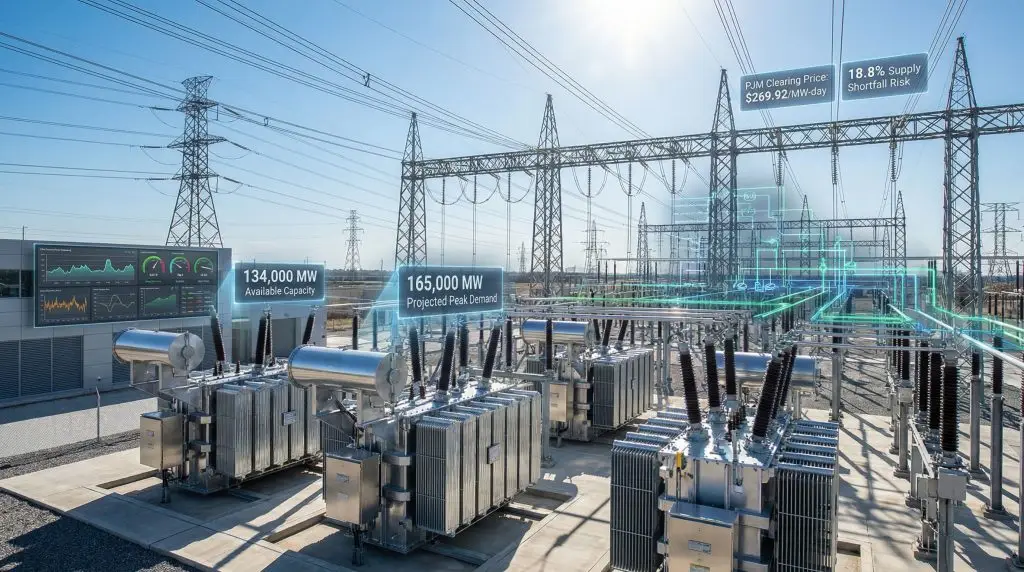
Investors are becoming increasingly focused on infrastructure-linked assets, considering energy availability and grid capacity as critical factors in site selection. The report notes that demand in Frankfurt, London, and Amsterdam—the FLA markets in the eponymous FLAPD (Frankfurt, London, Amsterdam, Paris, Dublin) designation—remains strong, but new developments are suffering from severe power constraints and planning hurdles.
Dublin and Amsterdam have been particularly hard hit, with both cities having to pause new projects in recent years due to lack of grid availability and the inability to integrate new large power loads. According to the International Energy Agency, while a data center typically takes one to two years to build, much longer lead times are needed to expand electricity infrastructure, creating a fundamental mismatch between supply and demand.
CBRE analysis indicates that inventory across the four largest European data center markets—London, Frankfurt, Paris, and Amsterdam—increased by just 7.2 percent over the past year, down from a 20 percent increase between the first quarter of 2023 and the first quarter of 2024, primarily due to challenges securing power. Amsterdam saw no new supply added during this period, while Frankfurt continues to see operators migrating to locations 30 to 40 miles west of the city center to meet power requirements.
Secondary Markets Gain Traction
The power and land constraints in established markets are resulting in investors looking at secondary and emerging locations where governments are making positive digital infrastructure and energy investments. Colliers identifies increased portfolio activity in Southern and Eastern Europe, citing significant deals in Slovakia and Poland as evidence of this geographic diversification.
Research from CBRE projects that five of the ten tracked secondary markets will experience double-digit growth in supply during 2025. Seven secondary markets, including Milan and Madrid, are expected to exceed 100 megawatts of total supply by the end of 2025, up from just four in 2022.
The Nordic countries—Sweden, Norway, and Finland—are also attracting fresh data center investment due to their cool climate, abundant renewable energy sources including hydropower and wind, and government incentives. These regions offer not only lower land and electricity costs but also improved renewable energy sourcing and fewer regulatory hurdles, creating fertile ground for the next generation of hyperscale facilities.
Spain, Italy, Portugal, and Greece are increasingly being considered as alternative locations for data center development as the dominance of traditional FLAPD markets is expected to be reduced due to land availability constraints. This geographic shift aligns with Europe’s broader goals of decentralizing digital infrastructure and reducing emissions.
Hyperscaler Spending Drives Demand
The surge in data center investment is being driven primarily by hyperscale cloud providers whose capital expenditure plans have reached unprecedented levels. Amazon, Microsoft, Google, and Meta are expected to spend more than $350 billion on capital expenditures in 2025, representing a year-over-year increase in the mid-30 percent range.
These massive technology companies are competing to build the computational power needed to train and deploy next-generation AI models. Amazon’s AWS raised its 2025 capital expenditure guidance to $125 billion, representing a 61 percent increase year-over-year. Microsoft spent $34.9 billion in capital expenditures in a single quarter during 2025, a 74 percent year-over-year jump. Meta has boosted its capital expenditure guidance to $70 billion for 2025, with CEO Mark Zuckerberg explicitly stating that making significantly larger investments in AI infrastructure is very likely to be profitable.
Analyst forecasts suggest that hyperscaler capital expenditures for the “big five” (Amazon, Alphabet/Google, Microsoft, Meta/Facebook, and Oracle) are widely expected to exceed $600 billion in 2026, a 36 percent increase over 2025 levels. Roughly 75 percent, or $450 billion, of that spending is directly tied to AI infrastructure including servers, GPUs, data centers, and related equipment, rather than traditional cloud infrastructure.
The scale of this investment has created significant secondary effects throughout the technology supply chain. Dell’Oro Group research indicates that worldwide data center capital expenditures increased 43 percent in the second quarter of 2025, with broad-based growth across servers, networking, and physical infrastructure. Accelerated server spending rose 76 percent, driven by the ramp of NVIDIA Blackwell Ultra platforms across U.S. hyperscalers, neo-cloud providers, and sovereign AI projects.
Market Dynamics and Future Outlook
From a risk perspective, data centers share familiar challenges with other real estate sectors including vacancy risk, planning restrictions, and energy capacity constraints. However, the sector remains more opaque regarding supply and demand dynamics compared to traditional real estate classes. While data on existing and new supply is improving, transparency around utilization within each center continues to lag behind more established property types.
“Data centers are attracting serious capital,” said Gonzalo Martín, head of Data Centers Capital Markets for EMEA at Colliers. “But development is not straightforward. Power availability, land constraints, and regulatory complexity mean data center investors need deep local insight and long-term strategies.”
Lottie Tollman, head of Data Centers Advisory for EMEA at Colliers, emphasized the operational challenges facing the sector: “Occupiers are seeking data center solutions that balance resilience, sustainability, and speed to market. Collaboration between operators, landlords, and investors is vital to meet evolving requirements and unlock long-term value.”
The pricing dynamics in the sector reflect the supply constraints and strong demand fundamentals. Global data center pricing rose 3.3 percent on a weighted inventory basis year-over-year in the first quarter of 2025 to $217.30 per kilowatt per month. Northern Virginia experienced a 17.6 percent pricing increase, Chicago saw 17.2 percent growth, and Amsterdam recorded an 18 percent increase, reflecting the acute supply-demand imbalances in these key markets.
Vacancy rates across major markets have fallen to historic lows due to supply constraints. Dublin recorded a vacancy rate of just 3.0 percent in mid-2025, London hit an all-time low of 7.6 percent, and Berlin registered only 1.4 percent. These tight market conditions are driving preleasing rates to record highs, with some markets seeing average preleasing rates rising to 90 percent or more for new construction.
Sustainability and Innovation Pressures
The rapid expansion of data center capacity is occurring against a backdrop of increasing scrutiny regarding energy consumption and environmental impact. Power demand for data centers in Europe is projected to rise from 96 terawatt-hours in 2024 to 236 terawatt-hours by 2035, increasing their share of total electricity demand from 3.1 percent to 5.7 percent, according to Deloitte analysis.
This has prompted innovation in power generation and delivery. Developers are pioneering on-site power generation to overcome grid limitations. For example, CyrusOne partnered with EON for 61 megawatts of on-site generation in Frankfurt, while Ireland now mandates matching dispatchable power for all new data center connections—a requirement that significantly increases development costs but addresses grid stability concerns.
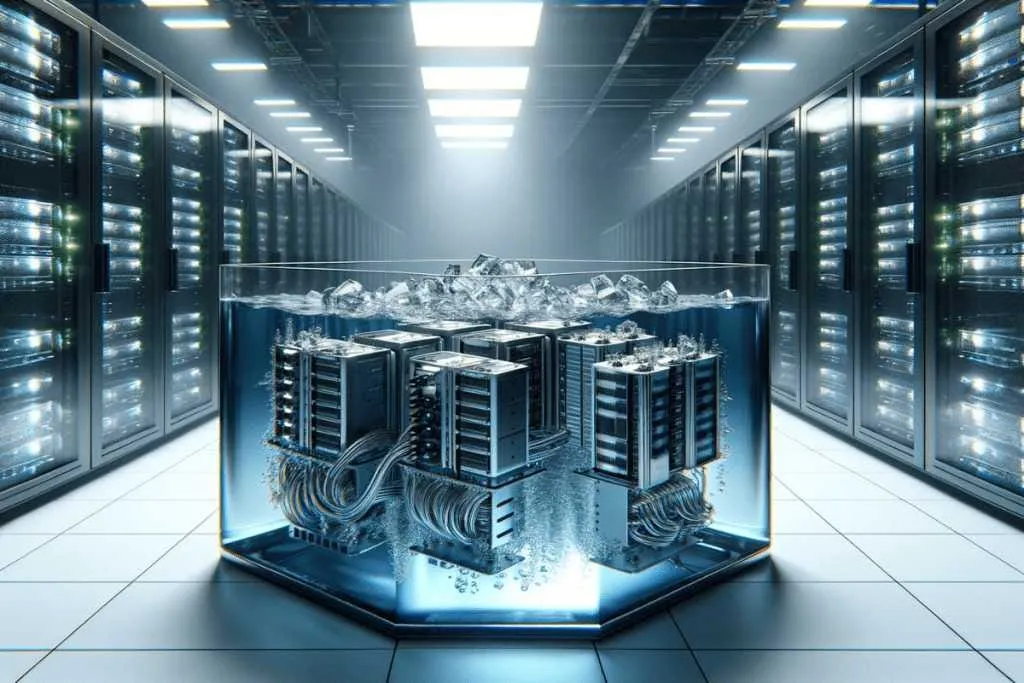
The sector is also seeing rapid adoption of advanced cooling technologies. With AI-optimized facilities consuming significantly more power per rack than traditional data centers, liquid cooling solutions are moving from experimental to mainstream deployment. High-density AI racks are expected to consume around 1,000 kilowatts by 2029, necessitating fundamental changes to both electrical architecture and thermal management systems.
Investment Outlook and Market Maturation
The data center sector’s evolution mirrors the historical development of other real estate asset classes that transitioned from niche investments to mainstream institutional holdings. Just as industrial and logistics properties became core real estate allocations over the past two decades, data centers are now achieving similar status in institutional portfolios.
The sector’s growing maturity is evidenced by the sophistication of investment structures and the diversity of capital sources. Commitments to major funds like Blue Owl Digital Infrastructure Fund III were secured from a broad mix of existing and new institutional investors including public and private pensions, insurance companies, sovereign wealth funds, asset managers, endowments and foundations, and family offices across the United States, Europe, Asia-Pacific, and the Middle East.
Looking ahead, the fundamental drivers supporting data center investment remain robust. The continued growth of cloud computing, the proliferation of artificial intelligence applications, the expansion of streaming services, and the increasing digitization of business operations all point to sustained long-term demand for digital infrastructure capacity.
However, the sector faces a delicate balancing act. While demand appears insatiable in the near term, the massive capital commitments being made today will need to generate appropriate returns over extended time horizons. The success of current investments will depend not only on continued demand growth but also on the ability of operators to navigate power constraints, secure necessary permits, manage construction costs, and deliver facilities that meet the evolving technical requirements of hyperscale customers.
The shift of capital toward secondary and emerging markets may help alleviate some of the pressure on established hubs while creating new regional centers of digital infrastructure excellence. This geographic diversification could prove essential to meeting global demand while managing the concentration risks inherent in markets where power and land constraints have become binding.
As the sector continues to mature, the distinction between real estate and infrastructure investment is becoming increasingly blurred. Data centers require the site selection, development, and leasing expertise characteristic of commercial real estate, but also demand the utility-like focus on power procurement, grid connectivity, and long-term contracted cash flows more typical of infrastructure assets. This hybrid nature may ultimately prove to be one of the sector’s greatest strengths, attracting capital from multiple investor types and enabling creative structuring solutions to bridge the substantial funding gap that lies ahead.
Ready to take your career to the next level? Join our Online courses: ACCA, HESI A2, ATI TEAS 7 , HESI EXIT , NCLEX – RN and NCLEX – PN, Financial Literacy!🌟 Dive into a world of opportunities and empower yourself for success. Explore more at Serrari Ed and start your exciting journey today! ✨
Track GDP, Inflation and Central Bank rates for top African markets with Serrari’s comparator tool.
See today’s Treasury bonds and Money market funds movement across financial service providers in Kenya, using Serrari’s comparator tools.
Photo source: Google
By: Montel Kamau
Serrari Financial Analyst
13th January, 2026