










Crown Healthcare, a Kenyan medical products distributor, has secured a critical US$10 million investment from Impact Fund Denmark to accelerate construction of a large-scale pharmaceutical manufacturing plant—a strategic move aimed at combating a counterfeit medicine crisis that claims over 100,000 lives annually across Africa while reducing Kenya’s dangerous dependence on imported pharmaceuticals.
The investment, equivalent to 65 million Danish Krone or Sh1.31 billion, arrives at a moment when Kenya faces an escalating public health emergency. The country currently imports approximately 80% of its pharmaceuticals, leaving millions of Kenyans vulnerable to counterfeit medicines, supply-chain disruptions, and price volatility driven by global logistics costs and currency fluctuations.
Build the future you deserve. Get started with our top-tier Online courses: ACCA, HESI A2, ATI TEAS 7, HESI EXIT, NCLEX-RN, NCLEX-PN, and Financial Literacy. Let Serrari Ed guide your path to success. Enroll today.
The Deadly Counterfeit Medicine Epidemic
Kenya’s pharmaceutical market has become a battleground against fake medicines that pose an existential threat to public health. According to a newly released white paper by CFAO and the OPALS Foundation, the use of falsified antimalarials is causing over 100,000 preventable deaths annually in Africa, with the report revealing that one in every three medicines circulating across the continent may be counterfeit.
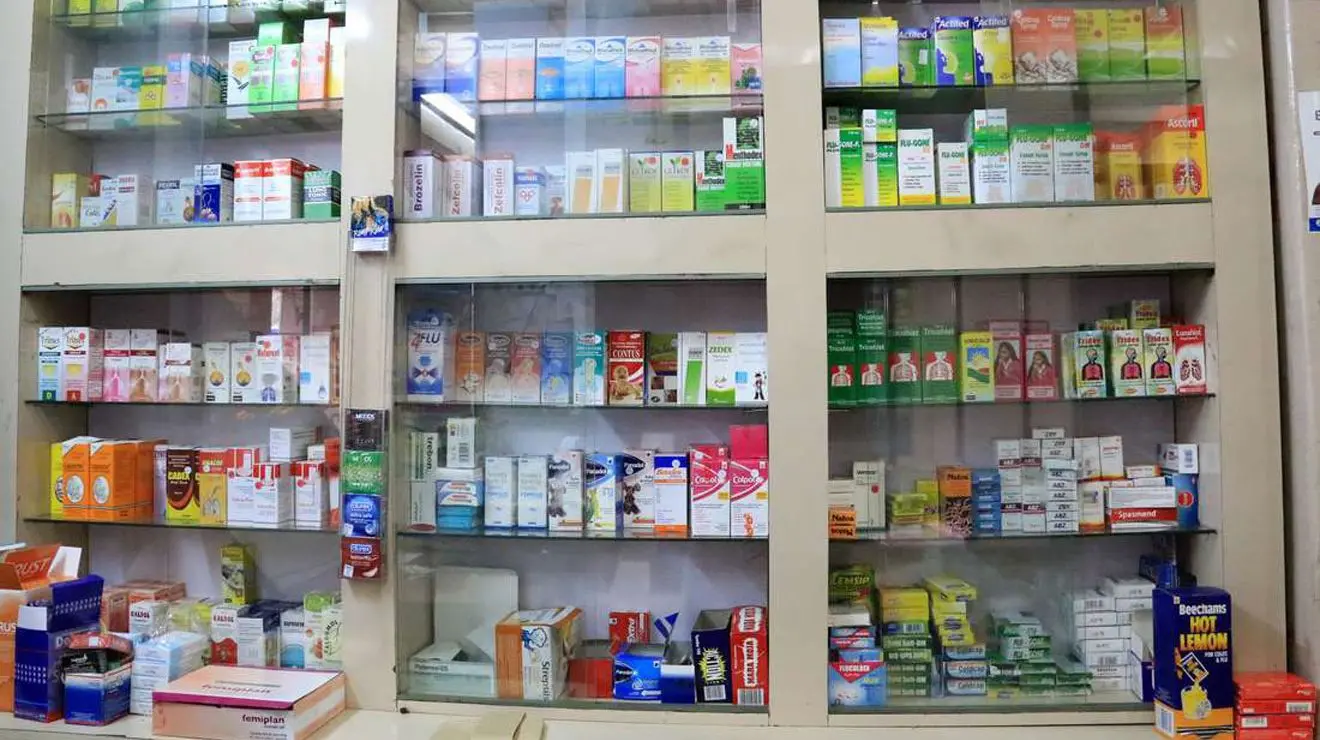
In Kenya specifically, where more than 70% of medicines are imported, a fragmented distribution network and rising cases of fake drugs are exposing patients to life-threatening risks. The most commonly falsified drugs include essential medicines such as antibiotics, HIV/AIDS antiretrovirals, antimalarials, painkillers, and opioids—precisely the medications that vulnerable populations depend upon for survival.
The human cost is staggering and deeply personal. In April 2024, a farmer in Kieni, Nyeri spent weeks battling persistent fever and body aches after purchasing counterfeit malaria medication from a local pharmacy. The packaging mimicked genuine products, but the pills were fake. His condition worsened dangerously before he finally received proper treatment at a clinic. This case represents just one of countless similar incidents occurring daily across Kenya, where awareness about counterfeit drugs remains disturbingly low among the population.
Research from Bahir Dar University in Ethiopia documents that Kenya has the highest percentage of counterfeit and unregistered antibiotics and antimalarials at 17%, followed by Malawi at 10.7%. This alarming statistic underscores a significant and growing risk to public health in a nation where malaria, bacterial infections, and pneumonia remain major health concerns, contributing to widespread use of these very medicines that counterfeiters target.
The World Health Organization estimates that, on average, one in 10 medicines in circulation in low- and middle-income countries is either substandard or counterfeit. These medicines lead to adverse health outcomes, treatment failure, development of antimicrobial resistance, and erosion of confidence in healthcare systems. A 2018 survey by Kenya’s National Quality Control Laboratories and the Pharmacy and Poisons Board found that 12% of medicines marketed in Kenya were fraudulent or counterfeit.
The Economic Dimensions of Illicit Pharmaceuticals
Beyond the humanitarian catastrophe, the counterfeit medicine trade represents a massive economic drain on Kenya’s resources. The falsified medicines market is estimated to be worth US$200 billion globally and deprives Africa of eight percent of GDP in uncollected taxes. In Kenya specifically, the Kenya Revenue Authority estimates that illicit trade, including counterfeits, accounts for a loss of Ksh800 billion annually in tax revenue and legitimate business income—money that could fund schools, hospitals, and infrastructure projects that Kenyans desperately need.
The distribution of fake medicines has become so lucrative that it ranks higher than drug trafficking in terms of financial returns, creating powerful criminal networks with vested interests in maintaining the status quo. Mombasa port has emerged as a major trafficking hub for counterfeit pharmaceutical and veterinary drugs, with a UN study by the World Customs Organisation and the International Institute for Research Against Counterfeit Medicines identifying the Kenyan port city as among the biggest trafficking points in Africa.
In one operation alone, over 12 million illicit and potentially dangerous pharmaceutical products were intercepted at Mombasa seaport, measured in ampoules, pairs, pieces, pills, and kilos. The seizure included antimalarial drugs, anti-cancer medications, anti-inflammatories, antibiotics, analgesics, and gastrointestinal medicines—all essential for treating diseases that burden Kenya’s population.
Regulatory Response and Enforcement Challenges
Kenyan authorities have intensified efforts to combat the counterfeit medicine scourge, though challenges remain formidable. In 2024, Kenya saw a sharp increase in drug recalls—32 in total, doubling the number from 2023. These recalls included dangerous counterfeit medicines such as contaminated cancer treatments, highlighting the severity and scope of the crisis.
The Pharmacy and Poisons Board has shut down over 670 illegal pharmaceutical outlets across Kenya deemed to have fallen short of required standards, with at least 612 suspects operating the pharmacies since being arraigned in court. In June 2024 alone, the board closed over 100 illegal pharmacies in a nationwide crackdown, targeting outlets operating without proper licenses, dispensing unapproved medicines, and violating public health regulations.
To strengthen regulatory capacity, the Pharmacy and Poisons Board and the Anti-Counterfeit Authority signed a Memorandum of Understanding in 2024 to combat counterfeit medicines. “This initiative is critical in addressing the challenges posed by technological advancements, porous borders, and limited resources within the authorities and represents a proactive approach to ensuring the integrity of healthcare products and technologies in Kenya,” stated Fred Siyoi, CEO of the Pharmacy and Poisons Board.
However, despite these commendable enforcement efforts, the Anti-Counterfeit Agency’s 2024 annual report revealed it seized goods worth only Ksh3.4 billion—a commendable effort but merely a fraction of the estimated Ksh800 billion illicit trade market. Without robust funding, advanced technology, and clear mandates to prosecute offenders, regulatory agencies continue fighting an uphill battle against well-resourced criminal networks.
Crown Healthcare’s Strategic Response
Crown Healthcare, founded in 1998, has evolved from a medical devices distributor into a comprehensive healthcare solutions provider with operations spanning Kenya, Uganda, Tanzania, and Rwanda. The company has strategically expanded its portfolio to include over 100 branded generic pharmaceutical products across therapeutic areas including infectious diseases, cardiology, and gastroenterology.
Through its extensive distribution network and expertise in supply-chain management, Crown Healthcare serves public and private health institutions, academic and research institutions, NGOs, and governments across the region. The company’s product range encompasses pharmaceutical refrigerators, transport ventilators, electric dialysis chairs, operating lights, laboratory consumables, and basic medical equipment.
The new US$10 million investment from Impact Fund Denmark will accelerate Crown Healthcare’s ambitious plans for a pharmaceutical manufacturing facility at Tatu City in Kiambu, where the company has committed a total of $40 million to build what it describes as the largest pharmaceutical plant and medical devices manufacturing facility in sub-Saharan Africa. The plant will span 10 acres with a building area of 400,000 square feet and is expected to employ more than 1,000 highly qualified professionals when fully operational.
“With this investment, we are helping to improve the availability of essential medicines and make the region more resilient to global crises. At the same time, we are creating 600 local jobs; two things that are essential to achieving our vision of contributing to fair and inclusive societies,” stated Lisbeth Erlands, Managing Director and Co-Head of Healthcare at Impact Fund Denmark.
The Tatu City Special Economic Zone Advantage
Crown Healthcare’s strategic decision to locate its pharmaceutical manufacturing facility at Tatu City Special Economic Zone provides significant competitive advantages that will enhance the viability and scalability of local pharmaceutical production. Tatu City, Kenya’s first operational Special Economic Zone, represents a transformative approach to industrial development in East Africa.
Licensed in 2015, Tatu City has positioned itself as an alternative to Nairobi’s congested Industrial Area, where land prices have skyrocketed to around Ksh130 million per acre, making expansion prohibitively expensive for many manufacturers. The 5,000-acre mixed-use development includes homes, schools, offices, a shopping district, medical clinics, nature areas, recreation facilities, and manufacturing zones designed to accommodate more than 250,000 residents and tens of thousands of day visitors.
The Special Economic Zone designation provides crucial benefits for pharmaceutical manufacturing. Companies operating within Tatu City benefit from low corporate taxes and zero VAT, along with simplified business licensing through a One-Stop Shop for permits and approvals. These incentives significantly reduce operational costs and bureaucratic delays that have historically constrained manufacturing enterprises in Kenya.
Infrastructure reliability represents another critical advantage. Tatu City guarantees utilities including 95% renewable electricity and consistent water supply, allowing manufacturing operations to run smoothly without the frequent disruptions that plague facilities in other locations. For pharmaceutical production, which requires stringent environmental controls and uninterrupted power for refrigeration and processing equipment, this reliability is essential for maintaining Good Manufacturing Practice (GMP) standards and product quality.
Strategic location provides logistical advantages crucial for pharmaceutical manufacturing. Tatu City sits within a 30-minute drive of Nairobi’s Inland Container Depot and maintains proximity to Jomo Kenyatta International Airport, facilitating efficient import of raw materials and export of finished products to regional markets. This connectivity enables Crown Healthcare to serve the broader East African Community market efficiently while maintaining competitive distribution costs.
The SEZ has already attracted more than 100 companies across 10 sectors including ICT, agriculture, pharmaceuticals, and logistics, with local firms accounting for approximately 70% of investors. Major companies like Zhende, which is setting up the largest medical production facility in East Africa employing 7,000 Kenyans, demonstrate the SEZ’s capacity to support large-scale manufacturing ventures.
President William Ruto has noted that Tatu City Special Economic Zone offers lessons in the novel way that Kenya must conduct business, incubate companies, and stimulate economic activities. The government has announced plans for each of Kenya’s 47 counties to establish an industrial park, with over Ksh5 billion allocated for the undertaking, signaling a national commitment to replicating the Tatu City model across the country.
One decision can change your entire career. Take that step with our Online courses in ACCA, HESI A2, ATI TEAS 7, HESI EXIT, NCLEX-RN, NCLEX-PN, and Financial Literacy. Join Serrari Ed and start building your brighter future today.
Impact Fund Denmark’s Development Finance Strategy
Impact Fund Denmark, formerly known as Investment Fund for Developing Countries (IFU), is the Danish development finance institution that has been channeling risk capital into emerging markets since 1967. The fund provides risk capital and advice to companies operating in developing countries across Africa, Asia, Latin America, and parts of Europe, with investments made on commercial terms in the form of equity, loans, and guarantees.
The Danish government recently demonstrated strong commitment to the institution’s mission by doubling its capital to more than DKK36 billion by 2030, up from DKK15.5 billion. This capital increase enables Impact Fund Denmark to significantly increase climate investments and investments in Africa, as well as in poor and fragile states, aligning with Denmark’s broader Africa strategy.
Healthcare represents one of Impact Fund Denmark’s prioritized sectors, alongside green energy and infrastructure, financial services, and sustainable food systems. By investing in pharmaceuticals and medical equipment, the fund aims to strengthen healthcare ecosystems, reduce costs of care, and improve treatment quality across developing markets.
The institution has been recognized as one of the world’s best impact investors, earning a place on BlueMark’s prestigious leaderboard of only 15 asset managers globally demonstrating best-in-class impact management systems and practices. This recognition validates Impact Fund Denmark’s strategic approach to measuring and reporting impact throughout the investment process, ensuring that investments deliver documented positive changes in target communities.
In 2024, Impact Fund Denmark invested DKK560 million in Africa, more than doubling compared to the previous year. These investments span renewable energy, sustainable agriculture, and healthcare sectors. Recent healthcare investments include a 63.55 million Danish Krone loan to MyDAWA, a digital health startup expanding its pharmacy network to serve 8.4 million patients annually across Kenya and Uganda by 2032.
The fund has completed more than 60 investments in East Africa across multiple sectors, with total contracted investments reaching EUR31 billion across over 1,300 companies in more than 100 developing countries. Its active portfolio consists of 183 investments that collectively contributed to healthcare for 1.2 million patients in 2023, primarily in Africa, while improving living conditions for 100,000 smallholder farmers and installing 1,800 megawatts of renewable energy.
Deal Structuring and Advisory Expertise
The successful structuring and execution of the Crown Healthcare-Impact Fund Denmark transaction was facilitated by Noblestride Capital, a Nairobi-based boutique transactions advisory firm that served as the deal’s advisor. The firm specializes in capital raising for small and medium enterprises across Sub-Saharan Africa, providing lead advisory and consultancy services to companies in financial, agribusiness, technology, FMCG, and manufacturing sectors.
Noblestride Capital’s services include debt capital raising, structuring equity deals, financial modeling, valuations, private equity advisory, and corporate finance services. The firm prides itself on supporting development finance institutions and private equity funds through differentiated access to proprietary deals, identifying local companies positioned to leverage growth opportunities with additional funding.
The firm’s involvement demonstrates the growing sophistication of Kenya’s financial advisory ecosystem, where local boutique firms effectively bridge the gap between African businesses seeking capital and international development finance institutions looking for viable investment opportunities in emerging markets. This intermediation capacity is crucial for scaling impact investments across Sub-Saharan Africa, where information asymmetries and transaction costs can otherwise impede capital flows to promising enterprises.
Government Policy Support for Local Manufacturing
The Crown Healthcare investment arrives amid intensified government efforts to boost local pharmaceutical manufacturing. At a recent Pharmaceutical Manufacturing Investors’ Breakfast in Nairobi themed “Paradigm Shift: From Importation to Local Manufacturing of Pharmaceutical Products,” government officials and industry stakeholders aligned on the imperative for Kenya to produce more of what it consumes.
Cabinet Secretary for Investments, Trade and Industry, Hon. Lee Kinyanjui, reiterated the government’s commitment: “We will work closely with the Ministry of Health to ensure uptake of locally produced products, timely payment, and the removal of any regulatory or legal barriers that hinder growth in this sector. Our role as a ministry is to spur economic growth. No country can thrive through imports alone.”
Kinyanjui noted that pharmaceuticals account for a significant portion of Kenya’s massive trade deficit with India, expressing frustration that many imported products rely on basic ingredients readily available locally, such as cassava and sweet potatoes processed into starch. “Out of the amount we are importing, much of it is what your grandmother produces, but we send all that money out,” he stated, underscoring untapped potential within Kenya’s agricultural and industrial sectors.
The Pharmaceutical Society of Kenya declared that a country unable to produce essential medicines “cannot secure its population,” with PSK President Dr. Wairimu Njuki calling for Kenya to treat medicines as strategic assets equivalent to food security, energy supply, and defense. She urged a shift from dependency to investable, innovation-driven production.
The government has signaled plans to offer robust incentives including guaranteed advance contracts for local manufacturers and innovative financial solutions designed to resolve the persistent problem of delayed government payments—a primary hurdle that has historically constrained local manufacturers’ cash flows and operational capacity.
Building Resilient Supply Chains and Regional Capacity
Crown Healthcare’s pharmaceutical manufacturing facility will contribute to building more resilient healthcare supply chains across East Africa. The COVID-19 pandemic starkly exposed vulnerabilities in global supply chains, as countries worldwide competed for personal protective equipment, medicines, and vaccines, often at inflated prices with long delivery delays.
By anchoring more pharmaceutical value chain activities domestically and regionally, East African countries can reduce vulnerability to external shocks while building healthcare systems better equipped to respond to emergencies. Local manufacturing enables faster response times to disease outbreaks, reduces foreign exchange pressures, and ensures more stable pricing for essential medicines.
With only 30% of medicines used in Kenya manufactured locally, pharmaceutical manufacturing offers significant economic and public health benefits, including strengthened supply chains and reduced exposure to substandard and falsified medicines. Gavin Pearson, CEO of CFAO Healthcare Kenya, emphasized: “Kenya has made notable progress in healthcare, but counterfeit drugs remain a major challenge. By uniting government, regulators, and the private sector, we can build a safer, more transparent pharmaceutical supply chain.”
The facility’s planned capacity to produce more than 2 billion tablets and capsules annually will significantly boost local production while reducing import dependence. The 600 jobs created directly through the investment, plus additional indirect employment through supply chains and distribution networks, will provide livelihoods while building human capital in advanced manufacturing.
Technology Transfer and Skills Development
Beyond immediate production capacity, Crown Healthcare’s pharmaceutical manufacturing facility represents an opportunity for technology transfer and skills development that can catalyze broader sectoral transformation. Kenya has invested significantly in technical and vocational education, as well as university-level pharmaceutical and chemical engineering programs, creating a pool of qualified professionals who can staff modern facilities.
The manufacturing facility will provide opportunities for Kenyan professionals to gain hands-on experience with advanced pharmaceutical manufacturing processes, quality control systems, regulatory compliance frameworks, and Good Manufacturing Practice protocols. This capacity building creates multiplier effects, as skilled workers can subsequently contribute to other pharmaceutical ventures, start their own enterprises, or train the next generation of professionals.
Kenya’s National Medicines Policy aims to strengthen the local pharmaceutical industry by encouraging domestic production while ensuring affordable and accessible healthcare through enhanced local production capacity. The policy aligns with the government’s “Bottom-Up Economic Transformation Agenda,” which focuses on reducing import dependency and creating economic opportunities at the grassroots level.
Addressing Quality Concerns and Building Trust
For local pharmaceutical manufacturing to succeed in displacing counterfeits and imports, maintaining rigorous quality standards is paramount. Crown Healthcare’s manufacturing facility will need to comply with international Good Manufacturing Practice guidelines and satisfy the requirements of Kenya’s Pharmacy and Poisons Board, which regulates pharmaceutical manufacturing and trade under the Pharmacy and Poisons Act.
Kenya currently maintains WHO Maturity Level 2 (ML2) regulatory status, indicating an established regulatory framework with some capacity limitations. The country has ratified the African Union Model Law but has not yet ratified the African Medicines Agency treaty that would enable overall regional harmonization. Strengthening regulatory capacity remains crucial for ensuring that locally manufactured medicines meet international quality standards and command trust among healthcare providers and patients.
The challenge is significant: surveys have found that some locally-produced medicines are priced higher than imported equivalents, partly due to higher production costs from unreliable utilities, bureaucratic processes, limited access to affordable financing, and reliance on imported raw materials. Crown Healthcare’s location in Tatu City’s Special Economic Zone, with its reliable infrastructure and tax incentives, should help address some of these cost disadvantages and enable competitive pricing.
Building consumer confidence in locally manufactured medicines also requires transparency, consistent quality, and clear differentiation from counterfeits. Dr. David Okidi, a pharmaceutical expert, advises consumers that counterfeit medicines often come in poorly printed or inconsistent packaging with missing or incorrect labeling. Genuine products tend to have consistent shape, color, and size, while counterfeits may show noticeable differences. Price can be another indicator, as fake drugs are often sold at significantly lower prices than genuine counterparts.
The Path Forward: From Dependency to Sovereignty
The US$10 million investment from Impact Fund Denmark in Crown Healthcare represents more than a single transaction—it embodies a broader transformation in Kenya’s approach to pharmaceutical security and healthcare sovereignty. As the facility moves from construction to operation, its success will depend on sustained policy support, infrastructure maintenance, skills development, quality assurance, and market access.
The pharmaceutical manufacturing sector faces headwinds including competition from established Asian manufacturers, regulatory complexities, supply chain logistics, and the need for continuous innovation. However, the combination of government commitment, development finance support, Special Economic Zone advantages, and private sector expertise creates favorable conditions for success.
Ken Accajou, deputy chief executive officer of CFAO Healthcare, emphasized the stakes: “The medicine distribution crisis in Africa is not just a supply chain issue but a matter of life and death. While Kenya is doing well because of a strong private sector, this white paper is a call to action. We must strengthen official channels and empower local health systems to better protect their people.”
Crown Healthcare’s pharmaceutical manufacturing plant, backed by Impact Fund Denmark’s patient capital and located in Tatu City’s enabling environment, positions Kenya to move decisively from import dependency toward pharmaceutical self-sufficiency. By producing quality medicines locally, the facility will help displace counterfeits that claim thousands of lives annually, reduce foreign exchange outflows, create skilled employment, strengthen regional supply chains, and build resilience against future health emergencies.
The journey from 80% import dependency to pharmaceutical sovereignty requires sustained investment, policy consistency, infrastructure development, and skills building across multiple years. Crown Healthcare’s commitment, supported by Impact Fund Denmark’s strategic capital and Noblestride Capital’s advisory expertise, demonstrates that with aligned partnerships between government, development finance institutions, and private enterprises, Kenya can transform its healthcare landscape while saving lives, creating prosperity, and building a foundation for long-term health security across East Africa.
Ready to take your career to the next level? Join our Online courses: ACCA, HESI A2, ATI TEAS 7 , HESI EXIT , NCLEX – RN and NCLEX – PN, Financial Literacy!🌟 Dive into a world of opportunities and empower yourself for success. Explore more at Serrari Ed and start your exciting journey today! ✨
Track GDP, Inflation and Central Bank rates for top African markets with Serrari’s comparator tool.
See today’s Treasury bonds and Money market funds movement across financial service providers in Kenya, using Serrari’s comparator tools.
Photo source: Google
By: Montel Kamau
Serrari Financial Analyst
11th December, 2025
Article, Financial and News Disclaimer
The Value of a Financial Advisor
While this article offers valuable insights, it is essential to recognize that personal finance can be highly complex and unique to each individual. A financial advisor provides professional expertise and personalized guidance to help you make well-informed decisions tailored to your specific circumstances and goals.
Beyond offering knowledge, a financial advisor serves as a trusted partner to help you stay disciplined, avoid common pitfalls, and remain focused on your long-term objectives. Their perspective and experience can complement your own efforts, enhancing your financial well-being and ensuring a more confident approach to managing your finances.
Disclaimer: This article is for informational purposes only and does not constitute financial advice. Readers are encouraged to consult a licensed financial advisor to obtain guidance specific to their financial situation.
Article and News Disclaimer
The information provided on www.serrarigroup.com is for general informational purposes only. While we strive to keep the information up to date and accurate, we make no representations or warranties of any kind, express or implied, about the completeness, accuracy, reliability, suitability, or availability with respect to the website or the information, products, services, or related graphics contained on the website for any purpose. Any reliance you place on such information is therefore strictly at your own risk.
www.serrarigroup.com is not responsible for any errors or omissions, or for the results obtained from the use of this information. All information on the website is provided on an as-is basis, with no guarantee of completeness, accuracy, timeliness, or of the results obtained from the use of this information, and without warranty of any kind, express or implied, including but not limited to warranties of performance, merchantability, and fitness for a particular purpose.
In no event will www.serrarigroup.com be liable to you or anyone else for any decision made or action taken in reliance on the information provided on the website or for any consequential, special, or similar damages, even if advised of the possibility of such damages.
The articles, news, and information presented on www.serrarigroup.com reflect the opinions of the respective authors and contributors and do not necessarily represent the views of the website or its management. Any views or opinions expressed are solely those of the individual authors and do not represent the website's views or opinions as a whole.
The content on www.serrarigroup.com may include links to external websites, which are provided for convenience and informational purposes only. We have no control over the nature, content, and availability of those sites. The inclusion of any links does not necessarily imply a recommendation or endorsement of the views expressed within them.
Every effort is made to keep the website up and running smoothly. However, www.serrarigroup.com takes no responsibility for, and will not be liable for, the website being temporarily unavailable due to technical issues beyond our control.
Please note that laws, regulations, and information can change rapidly, and we advise you to conduct further research and seek professional advice when necessary.
By using www.serrarigroup.com, you agree to this disclaimer and its terms. If you do not agree with this disclaimer, please do not use the website.
www.serrarigroup.com, reserves the right to update, modify, or remove any part of this disclaimer without prior notice. It is your responsibility to review this disclaimer periodically for changes.
Serrari Group 2025