Leaders from across the globe have gathered in Beijing for the Third Belt and Road (BRI) Summit, marking a significant juncture in China’s ambitious infrastructure initiative. Launched a decade ago with grand aspirations of bridging the East and West through massive projects, the BRI has faced headwinds and shifting priorities.
Initially hailed for its potential to spread prosperity and sustainable development, the BRI has struggled to win over Western nations. Italy, the sole G7 country to participate, is now seeking an exit. Concerns about China’s intentions, transparency, and geopolitical tensions have cast a shadow over the project. The fact that the highest-ranking EU leader at the summit is Hungary’s Viktor Orban underscores the diminishing Western enthusiasm.
The BRI’s challenges have been compounded by external factors. Trade disputes with the United States, Russia’s involvement in Ukraine, and the global COVID-19 pandemic have constrained its reach and effectiveness. Economic slowdowns in China and globally, along with rising commodity prices, have added to the initiative’s difficulties.
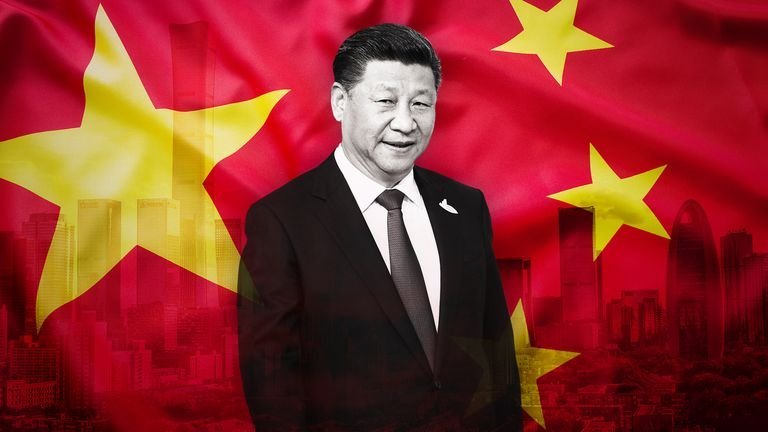
In response to these challenges, Chinese President Xi Jinping is steering the BRI in a new direction. The focus is shifting from massive infrastructure projects to environmentally-friendly, high-tech investments. Digital finance, e-commerce platforms, and sustainability projects are now at the forefront. This transformation aligns with the vision of a multipolar world order that elevates the influence of the global South, countering Western dominance.
China has defended the BRI against criticism, maintaining that its motives are rooted in goodwill rather than containment. Over 130 countries, predominantly from Latin America and Africa, are participating in this year’s summit. Notably, fewer heads of state are in attendance, marking a change from previous years.
Conversations at a Beijing hotel hosting delegations from Russia, Kazakhstan, and Congo are centered on BRI investments across various sectors. However, issues have emerged, with over $90 billion of Chinese commercial investments in BRI projects encountering “insurmountable problems,” according to the American Enterprise Institute. Debt burdens in developing nations have raised significant concerns.
To address these challenges, the BRI has downsized and is emphasizing quality over quantity. The initiative now encompasses critical global issues such as peace, climate change, energy crises, and artificial intelligence, as detailed in a recent Chinese government white paper.
Ruby Osman, a China expert from the Tony Blair Institute for Global Change, sees this summit as an opportunity to showcase China’s global initiatives. Among them is the Global Development Initiative, a $10 billion program aimed at promoting “social and economic development.” These initiatives serve as vehicles for China to disseminate its governance ideals and gain consensus on Chinese norms.
China’s evolving approach is evident in its recent efforts to assist Argentina and restructure debt in Sri Lanka and Zambia. These actions underscore China’s commitment to addressing the global infrastructure deficit.
Wang Huiyao, president of the Center for China and Globalization think tank, emphasizes that the BRI has significantly raised global awareness about the importance of infrastructure development. While challenges persist, the initiative remains a work in progress, gradually gaining recognition for its role in infrastructure development on the global stage.
The Third Belt and Road Summit is a testament to China’s adaptability and its ongoing commitment to fostering connectivity through sustainable, high-tech investments.
Photo (Helen-Ann Smith)
By: Montel Kamau
Serrari Financial Analyst
17th October, 2023