











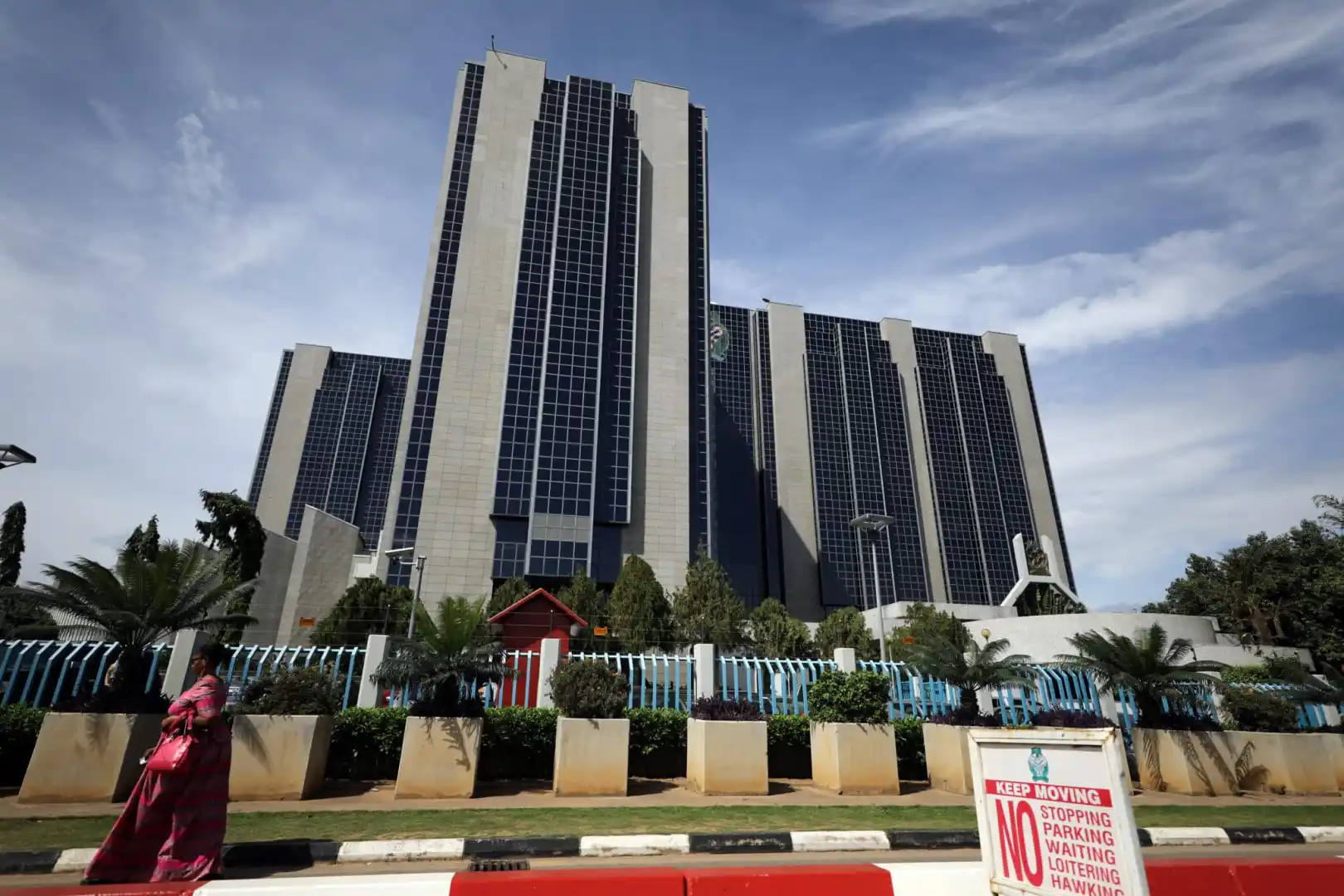
The Central Bank of Nigeria (CBN) has confirmed that only 82 Bureau De Change (BDC) operators currently hold valid licenses to operate in Africa’s most populous nation, marking a dramatic consolidation of the foreign exchange retail sector. The disclosure was made in a statement issued on Monday by the Bank’s Acting Director of Corporate Communications, Hakama Sidi Ali, signaling the culmination of extensive regulatory reforms aimed at sanitizing Nigeria’s troubled forex market.
According to the apex bank, the approvals were granted under the Bank and Other Financial Institutions Act (BOFIA) 2020 and the 2024 Regulatory and Supervisory Guidelines for Bureaux De Change Operations, representing one of the most comprehensive overhauls of Nigeria’s forex retail sector in decades. The final licenses became effective on November 27, 2025, with the CBN issuing stern warnings that any individual or company operating a BDC without a valid license is in violation of Section 57 of BOFIA 2020.
“By this notice, only Bureaux De Change listed on the Bank’s website are authorized to operate from the effective date,” the statement declared, underscoring the central bank’s determination to eliminate unauthorized currency trading operations that have plagued Nigeria’s foreign exchange market.
Build the future you deserve. Get started with our top-tier Online courses: ACCA, HESI A2, ATI TEAS 7, HESI EXIT, NCLEX-RN, NCLEX-PN, and Financial Literacy. Let Serrari Ed guide your path to success. Enroll today.
A Dramatic Reduction From Thousands to Dozens
The approval of just 82 operators represents a seismic shift from the thousands of BDCs that previously dominated Nigeria’s retail forex landscape. Earlier in March 2024, the CBN had revoked the licenses of 4,173 BDC operators for failing to observe regulatory provisions, including non-payment of necessary fees, failure to renew licenses within stipulated periods, and operating without proper authorization.
The Association of Bureau De Change Operators of Nigeria (ABCON) had previously indicated that there were approximately 6,000 BDC centers operating across the country before the regulatory crackdown began. The reduction from thousands to just 82 licensed operators underscores the magnitude of the transformation the CBN is implementing in its quest to restore order and credibility to Nigeria’s foreign exchange market.
This consolidation is part of Governor Olayemi Cardoso’s broader foreign exchange reform agenda, which aims to bring transparency, reduce currency speculation, and stabilize the naira against major global currencies. “What we’re hoping to accomplish by this, frankly, is to bring some sanity to an industry that arguably no longer serves the interests of those whom it was meant to protect,” Cardoso stated in 2024 when outlining the reform vision.
Two-Tier Licensing Structure With Stringent Capital Requirements
The CBN’s new framework introduces a two-tier licensing structure with significantly elevated capital requirements designed to ensure only financially robust operators remain in the market. Of the 82 newly licensed operators, only two have been granted Tier 1 licenses, while the remaining 80 hold Tier 2 licenses—a distribution that reflects the challenging financial barriers established by the central bank.
Tier 1 BDC operators are required to maintain a minimum capital base of ₦2 billion (approximately $1.38 million), alongside a mandatory caution deposit of ₦200 million with the CBN. These operators face a non-refundable application fee of ₦1 million and a license fee of ₦5 million. In return for meeting these stringent requirements, Tier 1 BDCs are authorized to operate across all 36 states of Nigeria and the Federal Capital Territory (FCT), with the ability to open branches and appoint franchisees subject to CBN approval.
Tier 2 operators, while facing less onerous capital requirements, must still maintain a minimum capital of ₦500 million alongside a mandatory caution deposit of ₦50 million. They pay a non-refundable application fee of ₦250,000 and a license fee of ₦2 million. However, their operational scope is significantly restricted—Tier 2 BDCs are authorized to operate only within one state or the FCT and may establish a maximum of five branches, subject to CBN approval. Unlike their Tier 1 counterparts, they are prohibited from appointing franchisees.
These capital requirements represent a monumental increase from the previous threshold of ₦35 million for a general license, marking a departure from the low-barrier-to-entry model that characterized Nigeria’s BDC sector for decades. The dramatic escalation reflects the CBN’s determination to professionalize the sector and ensure that only operators with sufficient financial resources and management capabilities can participate in foreign exchange trading.
The Human Cost: Three Million Livelihoods at Stake
The stringent new requirements have sparked significant concern about the social and economic implications of the regulatory overhaul. Aminu Gwadebe, President of ABCON, warned that approximately three million Nigerians could be at risk of losing their livelihoods either directly or indirectly as a result of BDCs shutting down due to inability to meet the new capital thresholds.
In conversations with media outlets, Gwadebe revealed the severity of the situation facing BDC operators: “It’s a tough one. It is glaring that many of us will be out of business. As we speak, I’m not sure that up to 10 percent have completed the capitalisation process. Over three million people may lose their livelihoods as a result of this issue, either directly or indirectly.”
The ABCON president characterized the capital requirements as excessively high for retail operations, comparing them unfavorably to bank-level capitalisation standards. “The amount required is huge—₦500 million or ₦2 billion is not a joke. For a retail entity, a Bureau De Change is just like a bookshop. The model being used for us is entirely a bank model,” Gwadebe explained, highlighting the disconnect between the nature of BDC operations and the regulatory framework being imposed.
Many BDC operators have been exploring mergers, acquisitions, and partnerships as survival strategies to meet the new minimum capital thresholds. However, the compressed timeline and complexity of consolidation transactions have left many operators struggling to complete the necessary arrangements before regulatory deadlines.
Gwadebe emphasized that consolidation through mergers and acquisitions represents the most realistic option for small operators seeking to remain in business: “Definitely, mergers, acquisitions and takeovers are among the many options our members are strategizing and need the CBN collaboration on strategy sessions, communications across zones to achieve the objective.”
Comprehensive Regulatory Framework Beyond Capital Requirements
The 2024 Regulatory and Supervisory Guidelines extend far beyond capital requirements, establishing a comprehensive regulatory framework that touches every aspect of BDC operations. The guidelines mandate strict IT integration requirements, compelling BDCs to connect their systems with the CBN’s various platforms including the returns rendition system, Financial Institutions Foreign Exchange Reporting System (FIFX), Financial Analysis (FinA), Centralised AML/CFT/CPF Rendition Platform (CARP), Trade Reporting and Monitoring System (TRMS), and the Tax Identification Number Verification Portal of the Federal Inland Revenue Service (FIRS).
This IT integration requirement represents a significant operational hurdle for smaller operators who may lack the technical infrastructure and expertise to implement the necessary systems connectivity. The CBN has emphasized that final licenses would only be granted after successful IT integration, effectively creating a multi-stage approval process that tests both financial capacity and operational sophistication.
The guidelines also impose rigorous prudential standards on BDCs. Operators must maintain a Net Open Position (NOP) limit in foreign currency of 30% of shareholders’ funds, ensuring they cannot take excessive currency exposure that could threaten their financial stability. Borrowing is capped at 50% of shareholders’ funds, limiting leverage and reducing systemic risk.
BDCs are further required to maintain mandatory insurance coverage for cash in office and in transit, as well as insurance against fire and staff fidelity risks—provisions designed to protect both the operators and their customers from various operational risks.
Restrictions on Permissible Activities and Transaction Limits
The new guidelines significantly restrict the types of activities BDCs can engage in, narrowing their operational scope compared to previous regulations. BDCs are explicitly prohibited from engaging in futures, options, and derivative trading—sophisticated financial instruments that the CBN apparently believes are inappropriate for retail forex operators.
The guidelines also ban BDCs from carrying out outward international transfers or receiving international inward transfers, limiting their role to domestic currency exchange transactions. In a move that reflects broader regulatory concerns about cryptocurrency, BDCs are prohibited from dealing in crypto assets or with entities that deal in crypto assets, effectively severing any connection between the licensed BDC sector and the burgeoning cryptocurrency market.
BDCs are authorized to sell foreign currencies to customers for a limited range of transactions specified in the guidelines. These include Personal Travel Allowance (PTA), Business Travel Allowance (BTA), payment of overseas medical bills, tuition fees for studies abroad, professional examination fees, and annual subscription fees. Applications for PTA or BTA must be submitted through the CBN’s Trade Monitoring System, creating a digital trail for regulatory oversight.
Recipients of BTA or PTA are permitted to receive up to 25% of the foreign currency in cash, while the remaining 75% must be transferred to the customer’s prepaid card—a provision designed to reduce cash-based forex transactions and increase financial transparency. All foreign exchange sales by BDCs must be paid by transfer to the BDC’s Naira account, further limiting cash transactions.
For foreign currency cash purchases, sellers of $10,000 and above are required to declare the source of the foreign exchange, and for all customer-present transactions, Naira proceeds must be electronically credited or transferred to the customer’s account—provisions aimed at combating money laundering and illicit financial flows.
Access to Formal Foreign Exchange Market
One of the most significant changes introduced by the 2024 guidelines is granting licensed BDCs access to the formal Nigerian Foreign Exchange Market (NFEM), subject to strict conditions and transaction limits. Under the new framework, Authorized Dealer banks are permitted to sell foreign exchange in cash to BDCs, with a maximum of $25,000 per week per BDC.
Crucially, a BDC may only purchase this amount from one bank of its choice during the week, preventing operators from circumventing the weekly cap by purchasing from multiple banks. The CBN has emphasized that any violation of this condition will result in appropriate sanctions, underscoring the seriousness with which it views compliance with these restrictions.
The selling rate by Authorized Dealers to BDCs is set at the prevailing rate at the NFEM window on the day of sale, ensuring transparency and market-based pricing. Foreign exchange cash purchased by BDCs from Authorized Dealer Banks must be sold to foreign exchange end-users at a rate no higher than a 1% margin above the purchase price, limiting the profit margins BDCs can extract and protecting retail customers from excessive markups.
However, Gwadebe and other ABCON officials have expressed concerns about the practical implementation of these market access provisions. “One of the stated benefits is that the BDCs will be allowed to access the FX market. However, our experience has shown that when the CBN issues circulars instructing banks to sell to BDCs, banks rarely comply,” Gwadebe noted, highlighting enforcement challenges that could undermine the effectiveness of the new framework.
One decision can change your entire career. Take that step with our Online courses in ACCA, HESI A2, ATI TEAS 7, HESI EXIT, NCLEX-RN, NCLEX-PN, and Financial Literacy. Join Serrari Ed and start building your brighter future today.
Legal Framework and Enforcement Mechanisms
The CBN has made clear that operating a BDC without proper authorization constitutes a serious criminal offense under Section 57(1) of the Banks and Other Financial Institutions Act (BOFIA) 2020. The apex bank has warned that offenders will face sanctions, though the specific penalties have not been detailed in public communications.
The statement released by Hakama Sidi Ali emphasized this point unequivocally: “For the avoidance of doubt, operating a Bureau De Change business without a valid licence is a punishable offence under Section 57(1) of the Banks and Other Financial Institutions Act (BOFIA) 2020. Members of the public are hereby advised to note and be guided accordingly.”
The CBN has established a clear verification mechanism to help the public distinguish between licensed and unlicensed operators. The central bank maintains an updated list of all licensed BDCs on its official website (www.cbn.gov.ng) and has pledged to update this list regularly as additional approvals are finalized or existing licenses are revoked or suspended.
The apex bank has advised Nigerians to always confirm that a BDC is properly licensed before engaging in any foreign exchange transactions, shifting some responsibility for enforcement to informed consumers who can verify licensing status before conducting business.
The Broader Context of Foreign Exchange Reform
The BDC licensing initiative fits within a comprehensive suite of foreign exchange reforms implemented by the CBN under Governor Cardoso’s leadership since his appointment in late 2023. These reforms aim to unify Nigeria’s multiple exchange rates, restore liquidity to the formal forex market, and rebuild investor confidence that was severely damaged during years of currency controls and parallel market premiums.
In October 2023, the CBN adopted a ‘willing buyer, willing seller’ model for trade transactions, eliminating the system where different rates were offered for different transactions at multiple exchange rate windows. This led to the abolishment of FX market segmentation, with previously existing segments collapsed into the Investors’ and Exporters’ (I&E) window, now renamed the Nigerian Foreign Exchange Market (NFEM).
The central bank also cleared a verified backlog of $7 billion in foreign exchange obligations, a move that significantly reduced volatility in the foreign exchange market and helped restore credibility with international investors and correspondent banks. External reserves increased from $33.6 billion in October 2023 to over $37 billion by mid-2024, reflecting improved foreign exchange management and increased investor confidence.
By March 2024, average daily turnover in the NFEM had risen to $350 million, the highest level since 2014, while total monthly volumes exceeded $7 billion by year-end. These improvements in market liquidity and trading volumes demonstrate that the broader reform agenda is gaining traction, even as the BDC sector undergoes painful restructuring.
The International Monetary Fund has acknowledged Nigeria’s progress, confirming in mid-2025 that the country had “a strong external position, reserves increased, FX reforms supported naira stability, and investor sentiment improved.” The Nigerian Exchange Group (NGX) also recorded renewed activity, with foreign investors contributing significantly to market transactions—a reversal of the capital flight that characterized previous years.
Implementation Timeline and Transition Arrangements
The implementation of the new BDC framework has been characterized by multiple deadline extensions, reflecting both the complexity of the requirements and the challenges operators face in meeting them. The CBN initially set a six-month deadline for existing BDCs to meet the new capital requirements from the effective date of June 3, 2024.
However, recognizing the low level of compliance and the practical difficulties operators faced in raising substantial capital or completing mergers, the CBN extended the recapitalization deadline to June 3, 2025—providing an additional six months for operators to arrange their affairs.
In a further gesture of support, the CBN waived the 2025 non-refundable annual license renewal fee on January 24, 2025, easing the financial burden on BDC operators during the transition period. The waiver was explicitly designed to help BDCs transition smoothly into the new structure, enabling them to allocate resources to comply with the revised capital and operational requirements rather than paying routine renewal fees.
Despite these accommodations, the final count of just 82 licensed operators demonstrates that the vast majority of previously operating BDCs were unable or unwilling to meet the new standards within the extended timeframes provided.
Regional Distribution and Market Coverage
The two-tier structure creates a significant geographic imbalance in BDC distribution across Nigeria. With only two Tier 1 operators authorized to operate nationwide, the vast majority of licensed BDCs are Tier 2 operators restricted to single-state operations. This concentration raises questions about market coverage and access to authorized foreign exchange services in regions where few or no licensed BDCs are present.
Lagos State, Nigeria’s commercial capital and financial hub, likely hosts a disproportionate share of the 82 licensed operators given its dominant role in foreign exchange transactions and international trade. This geographic concentration could leave residents and businesses in less commercially active states with limited access to authorized BDC services, potentially driving them toward unlicensed operators or parallel market channels.
The franchise model permitted for Tier 1 operators could partially address this coverage gap by allowing the two national operators to establish a wider network of franchised locations. However, the guidelines require that Tier 1 BDCs exercise supervisory oversight over their franchisees, creating compliance and operational management challenges that may limit the pace of franchise expansion.
Industry Perspectives and Ongoing Concerns
While acknowledging the CBN’s objectives in professionalizing the BDC sector, industry stakeholders have raised concerns about several aspects of the implementation. ABCON officials have particularly criticized the enforcement failures that could undermine the benefits supposedly accruing to licensed operators who meet the stringent new requirements.
“There is a need to look at it critically—either allow BDCs to access the market directly, not through the banks, or have the Central Bank allocate directly from the interbank market to BDCs. That’s the only way I think it can work efficiently and effectively. Otherwise, you cannot expect an investor to commit ₦500 million or ₦2 billion and still be unable to access the market due to enforcement failures,” Gwadebe argued.
Industry analysts have noted that while the policy appears harsh in the short term, it reflects the CBN’s determination to bring order to the foreign exchange market. They believe the long-term benefits could include improved transparency, better compliance with anti-money laundering rules, and increased investor confidence in Nigeria’s financial system.
The sharp reduction in the number of licensed operators is expected to reduce competition in the BDC sector, potentially leading to wider spreads between buying and selling rates as the remaining operators exercise greater pricing power. However, the 1% maximum margin requirement for sales to end-users should theoretically constrain this pricing power, provided the CBN effectively enforces the restriction.
Anti-Money Laundering and Financial Crime Prevention
The new guidelines place heavy emphasis on anti-money laundering (AML) and combating the financing of terrorism (CFT) provisions, reflecting international pressure on Nigeria to strengthen its financial crime prevention frameworks. BDCs must maintain comprehensive transaction records showing the Bank Verification Number (BVN) of end-users, creating an audit trail that regulators can use to track suspicious transactions.
Appropriate Know Your Customer (KYC) procedures must be completed for every transaction, with BDCs required to collect and verify customer identification documents and other relevant information. These requirements align Nigeria’s BDC sector more closely with international best practices and Financial Action Task Force (FATF) standards, though implementation and enforcement remain ongoing challenges.
The integration with the Centralised AML/CFT/CPF Rendition Platform (CARP) enables real-time monitoring of BDC transactions by regulatory authorities, potentially allowing the CBN and other agencies to identify suspicious patterns and intervene before financial crimes are completed.
The Complete List of Licensed BDC Operators
According to the CBN’s official announcement, the 82 licensed BDC operators comprise:
TIER 1 OPERATORS (2)
- DULA GLOBAL BDC LTD
- TRURATE GLOBAL BDC LTD
TIER 2 OPERATORS (80)
- ABBUFX BDC LTD
- ACHA GLOBAL BDC LTD
- ARCTANGENT SWIFT BDC LTD
- ASCENDANT BDC LTD
- BARACAI BDC LTD
- BERGPOINT BDC LTD
- BRAVO MODEL BDC LTD
- BRIMESTONE BDC LTD
- BROWNSTON BDC LTD
- BUZZWALLET BDC LTD
- CASHCODE BDC LTD
- CHATTERED BDC LTD
- CHRONICLES BDC LTD
- COOL FOREX BDC LTD
- CORPORATE EXCHANGE BDC LTD
- COURTESY CURRENCY BDC LTD
- DANYARO BDC LTD
- DASHAD BDC LTD
- DEVAL BDC LTD
- DFS BDC LTD
- EASY CASH BDC LTD
- ELELEM BDC LTD
- E-LIOYDS BDC LTD
- ELOGOZ BDC LTD
- ENOUF BDC LTD
- EVER JOJ GOLD BDC LTD
- EXCEL RIJIYA FOREX BDC LTD
- FABFOREX BDC LTD
- FELLOM BDC LTD
- FINE BDC LTD
- FOMAT BDC LTD
- GENELO BDC LTD
- GENTLE BREEZE BDC LTD
- GRACEFUL GLORY AND HUMILITY BDC LTD
- GREENGATE BDC LTD
- GREENVAULT BDC LTD
- HAZON CAPITAL BDC LTD
- HIGH-POINT BDC LTD
- I & I EXCHANGE BDC LTD
- IBN MARYAM BDC LTD
- JOURNEY WELL BDC LTD
- KEEPERS BDC LTD
- KHADHOUSE SOLUTIONS BDC LTD
- KIMMELFX BDC LTD
- KINGSOFT ATLANTIC BDC LTD
- M.S. ALHERI BDC LTD
- MASTERS BDC LTD
- MCMENA BDC LTD
- MKOO BDC LTD
- MKS BDC LTD
- MR J GOLF BDC LTD
- MUSDIQ BDC LTD
- MZ FOREX BDC LTD
- NEJJ BDC LTD
- NETVALUE BDC LTD
- NEW WAVE BDC LTD
- NOTABLE AND KINGSTON BDC LTD
- PILCROW BDC LTD
- RAPID BDC LTD
- RIGHTWAY BDC LTD
- RWANDA BDC LTD
- SABLES BDC LTD
- SAFETRANZ BDC LTD
- SAMFIK BDC LTD
- SEVENLOCKS BDC LTD
- SHAPEARL BDC LTD
- SIMTEX BDC LTD
- SOLID WHITE BDC LTD
- ST. NICHOLAS GLOBAL BDC LTD
- TOPFIRST UNIQUE MULTICHOICE BDC LTD
- TOPGATE BDC LTD
- TRAVELLER’S CHOICE BDC LTD
- TUCA GLOBAL BDC LTD
- TURBOVA BDC LTD
- TURN-UP BDC LTD
- UNIGO BDC LTD
- VICTORY AHEAD BDC LTD
- WHITEWAY WWW BDC LTD
- YUND GLOBAL LINK BDC LTD
- ZAMAD FOREX BDC LTD
Looking Forward: Implications for Nigeria’s Foreign Exchange Market
The dramatic reduction in licensed BDC operators from thousands to just 82 represents a watershed moment in Nigeria’s foreign exchange management. If successfully implemented, the reforms could bring greater transparency, reduce speculation, and channel more foreign exchange transactions through formal, regulated channels where they can be properly monitored and controlled.
However, significant risks and challenges remain. The displacement of thousands of formerly licensed operators creates both social hardship and the potential for a thriving black market as displaced operators and their customers seek alternative channels for currency exchange. The CBN will need to maintain vigilant enforcement against unlicensed operators to prevent the re-emergence of the parallel market problems the reforms are designed to solve.
The success of the licensing framework ultimately depends on whether the CBN can deliver on the promised benefits to licensed operators—particularly reliable access to foreign exchange at market rates through authorized dealer banks. If enforcement failures prevent licensed BDCs from accessing adequate forex supplies, even operators who have invested heavily in meeting capital requirements may struggle to maintain viable businesses, potentially leading to further consolidation or market exits.
For Nigerian businesses and individuals who rely on BDC services for legitimate foreign exchange needs, the transition period may involve adjustment pains as they navigate a much smaller pool of authorized operators. The reduction in competition could lead to less convenient service and potentially higher costs, though the maximum 1% margin requirement should theoretically limit price increases.
The broader question is whether a highly consolidated BDC sector with stringent capital requirements and operational restrictions can effectively serve Nigeria’s foreign exchange needs while maintaining the transparency and compliance standards the CBN seeks to achieve. Only time and careful monitoring of market outcomes will provide definitive answers to this critical question.
As the CBN continues to refine and enforce the new framework, all stakeholders—regulators, licensed operators, customers, and policy observers—will be watching closely to see whether this bold regulatory gambit succeeds in transforming Nigeria’s troubled foreign exchange landscape into a more stable, transparent, and functional system that serves the nation’s economic development objectives.
Ready to take your career to the next level? Join our Online courses: ACCA, HESI A2, ATI TEAS 7 , HESI EXIT , NCLEX – RN and NCLEX – PN, Financial Literacy!🌟 Dive into a world of opportunities and empower yourself for success. Explore more at Serrari Ed and start your exciting journey today! ✨
Track GDP, Inflation and Central Bank rates for top African markets with Serrari’s comparator tool.
See today’s Treasury bonds and Money market funds movement across financial service providers in Kenya, using Serrari’s comparator tools.
photo source: Google
By: Montel Kamau
Serrari Financial Analyst
10th December, 2025
Article, Financial and News Disclaimer
The Value of a Financial Advisor
While this article offers valuable insights, it is essential to recognize that personal finance can be highly complex and unique to each individual. A financial advisor provides professional expertise and personalized guidance to help you make well-informed decisions tailored to your specific circumstances and goals.
Beyond offering knowledge, a financial advisor serves as a trusted partner to help you stay disciplined, avoid common pitfalls, and remain focused on your long-term objectives. Their perspective and experience can complement your own efforts, enhancing your financial well-being and ensuring a more confident approach to managing your finances.
Disclaimer: This article is for informational purposes only and does not constitute financial advice. Readers are encouraged to consult a licensed financial advisor to obtain guidance specific to their financial situation.
Article and News Disclaimer
The information provided on www.serrarigroup.com is for general informational purposes only. While we strive to keep the information up to date and accurate, we make no representations or warranties of any kind, express or implied, about the completeness, accuracy, reliability, suitability, or availability with respect to the website or the information, products, services, or related graphics contained on the website for any purpose. Any reliance you place on such information is therefore strictly at your own risk.
www.serrarigroup.com is not responsible for any errors or omissions, or for the results obtained from the use of this information. All information on the website is provided on an as-is basis, with no guarantee of completeness, accuracy, timeliness, or of the results obtained from the use of this information, and without warranty of any kind, express or implied, including but not limited to warranties of performance, merchantability, and fitness for a particular purpose.
In no event will www.serrarigroup.com be liable to you or anyone else for any decision made or action taken in reliance on the information provided on the website or for any consequential, special, or similar damages, even if advised of the possibility of such damages.
The articles, news, and information presented on www.serrarigroup.com reflect the opinions of the respective authors and contributors and do not necessarily represent the views of the website or its management. Any views or opinions expressed are solely those of the individual authors and do not represent the website's views or opinions as a whole.
The content on www.serrarigroup.com may include links to external websites, which are provided for convenience and informational purposes only. We have no control over the nature, content, and availability of those sites. The inclusion of any links does not necessarily imply a recommendation or endorsement of the views expressed within them.
Every effort is made to keep the website up and running smoothly. However, www.serrarigroup.com takes no responsibility for, and will not be liable for, the website being temporarily unavailable due to technical issues beyond our control.
Please note that laws, regulations, and information can change rapidly, and we advise you to conduct further research and seek professional advice when necessary.
By using www.serrarigroup.com, you agree to this disclaimer and its terms. If you do not agree with this disclaimer, please do not use the website.
www.serrarigroup.com, reserves the right to update, modify, or remove any part of this disclaimer without prior notice. It is your responsibility to review this disclaimer periodically for changes.
Serrari Group 2025