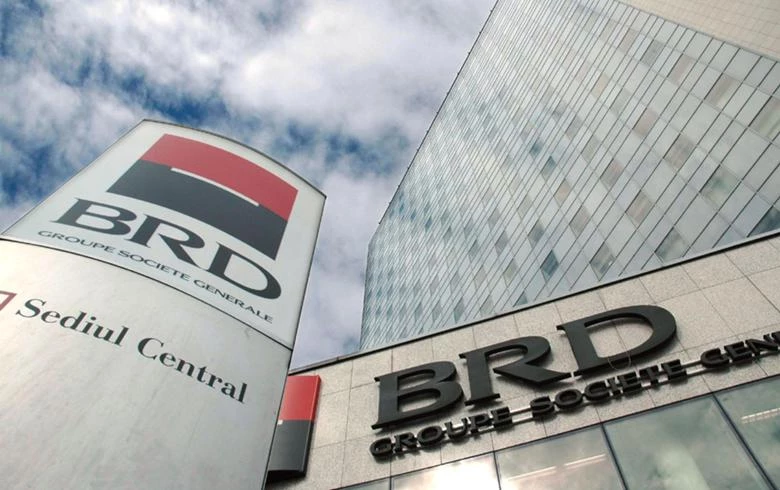
Sustainable Fitch has affirmed BRD-Groupe Societe Generale S.A.’s Entity Rating at ‘2’ and increased its entity score to 65 from 63, reflecting ongoing progress in ESG integration and sustainable financing achievements. The rating affirmation recognizes BRD, a leading bank in Romania and a Societe Generale subsidiary, for its comprehensive approach to environmental, social and governance performance across retail and corporate banking operations.
Build the future you deserve. Get started with our top-tier Online courses: ACCA, HESI A2, ATI TEAS 7, HESI EXIT, NCLEX-RN, NCLEX-PN, and Financial Literacy. Let Serrari Ed guide your path to success. Enroll today.
BRD’s Market Position and Strategic Context
BRD-Groupe Societe Generale is one of Romania’s major banks, operating a network of 423 units across Romania with total assets amounting to RON 81.4 billion. As part of Societe Generale, a top tier European bank with more than 126,000 employees serving about 25 million clients in 65 countries, BRD provides retail and corporate banking services through a nationwide branch network, serving individual customers, SMEs and large corporate clients.
The Romanian banking sector faces unique opportunities and challenges in sustainable finance development. Investment needs for Romania’s green transition are two times higher than in other European countries at 7 percent of GDP per year compared to an average of 4 percent, with just 1.6 percent of bank loans currently allocated to green projects. This context creates both urgency and opportunity for banks like BRD to expand sustainable finance offerings.
Horizons 2027 Strategy and Sustainable Finance Integration
BRD’s sustainability strategy is anchored in its Horizons 2027 strategy, updated from Horizons 2025, integrating ESG principles across operations, financing and governance structures. The strategic framework demonstrates commitment to embedding environmental and social considerations throughout the bank’s business model while maintaining strong financial performance and risk management practices.
The bank promotes sustainable finance through green, social and sustainability-linked loans, and ESG investments, targeting EUR2.4 billion of new production in sustainable finance by 2027. This ambitious target follows BRD’s success in surpassing its previous EUR1 billion goal in 2024, a full year ahead of plan, demonstrating strong execution capability and market demand for sustainable financial products.
BRD has expanded its sustainability retail and corporate banking products, including financing for renewable energy, green buildings, clean transportation, SMEs and transition finance, supported by comprehensive sector policies and strategic initiatives aligned with both national and European Union climate objectives.
Landmark IFC Partnership for Sustainable Finance Expansion
In April 2024, BRD and IFC, a member of the World Bank Group, closed a landmark synthetic significant risk transfer transaction that freed up capital for BRD to boost the financing of impactful sustainability-related projects in Romania. Under the transaction, IFC provided a risk guarantee on an up to €700 million BRD portfolio of small and medium enterprise and corporate loans.
Capital freed up by the SRT enables the bank to lend up to €315 million to fund climate-related initiatives and women-owned smaller businesses. SRTs are a widely used capital management tool for banks, with IFC playing a key role in their introduction in emerging markets, including Central and Eastern Europe. Capital resources freed up by such transactions can be reallocated toward financing projects with strong developmental impact.
Maria Rousseva, Chief Executive Officer of BRD Groupe Societe Generale, emphasized that “BRD is committed to building a sustainable economy in Romania and environmental, social and governance commitments are at the heart of our strategy. We have demonstrated this in recent years by delivering growing momentum in positive impact finance.”
This transaction marked an important milestone in the agreement signed in early 2024 between Societe Generale group and IFC to strengthen collaboration between the two institutions to accelerate their support for sustainable finance projects. While Societe Generale group was already a user of SRTs redeploying capital to sustainability-related lending, this represented the first time that BRD resorted to such an instrument.
Environmental Disclosure and Emissions Management
BRD’s environmental disclosure improved significantly with the inclusion of Scope 3 financed emissions, a key category for financial institutions that often represents the majority of a bank’s total carbon footprint. Measuring and disclosing financed emissions enables financial institutions to understand climate-related risks within their lending and investment portfolios while supporting alignment with climate goals.
The bank aims to cut its operational carbon footprint by 55% by 2027 versus a 2019 baseline, demonstrating commitment to absolute emissions reductions across direct operations and purchased energy. This target aligns with scientific consensus on the emissions reduction pathway needed to limit global warming and reflects ambition comparable to leading European financial institutions.
BRD is also working to align its strategy with Societe Generale’s 2050 climate targets, which include achieving net-zero greenhouse gas emissions across the group’s value chain. The parent bank has set a new target of contributing EUR 500 billion to sustainable finance between 2024 and 2030, including approximately EUR 400 billion in financing and advisory and EUR 100 billion in sustainable bonds.
Societe Generale’s sustainable finance target aims to increase focus on decarbonization in the highest carbon intensive sectors for which the Bank has set objectives over the same time horizon. A large part of the financing is devoted to transactions specific to low-carbon energy, sustainable real estate, low-carbon mobility and issues relating to industry and the environmental transition, to proactively support clients in their own transitions.
Social Performance and Gender Equity Considerations
BRD adheres to international human and labour rights standards, demonstrating commitment to responsible business conduct aligned with frameworks such as the United Nations Global Compact and OECD Guidelines for Multinational Enterprises. These commitments extend throughout the bank’s operations and increasingly into supply chain management and client engagement practices.
Overall female representation at BRD is high at 76%, reflecting the bank’s workforce composition and the broader financial services sector demographics in Romania. However, the Entity Rating assessment noted the importance of achieving more gender balance at senior levels, where representation patterns often differ from overall workforce composition.
The gender pay gap at the top management level is limited, which Sustainable Fitch identified as a positive indicator of equitable compensation practices for senior positions. However, the overall unadjusted gender pay gap remains relatively high, suggesting opportunities for continued improvement in compensation equity across all organizational levels and job categories.
BRD has been improving its CEO to average employee remuneration ratio, indicating effort toward more equitable distribution of compensation within the bank. This metric has gained increased attention from ESG rating agencies and investors as an indicator of fair wage practices and social sustainability performance within financial institutions.
Governance Structure and Board Independence
BRD’s governance structure aligns with Societe Generale’s internal framework and demonstrates commitment to diversity and independence in board composition and oversight. The board chair and CEO roles are separated, following best practice governance structures that promote independent oversight and avoid concentration of power in a single individual.
The bank’s governance framework ensures that sustainability considerations are integrated into strategic decision-making and risk management processes at the highest organizational levels. Through the Board Risk Oversight and Sustainability Committee structure mirrored from the parent organization, ESG issues receive systematic attention in corporate governance.
Strong governance provides the foundation for effective ESG performance by establishing accountability mechanisms, ensuring appropriate resource allocation to sustainability initiatives, and maintaining transparency in reporting and stakeholder engagement. For financial institutions, governance quality directly influences the credibility and effectiveness of environmental and social commitments.
One decision can change your entire career. Take that step with our Online courses in ACCA, HESI A2, ATI TEAS 7, HESI EXIT, NCLEX-RN, NCLEX-PN, and Financial Literacy. Join Serrari Ed and start building your brighter future today.
Sustainable Fitch Rating Methodology and Framework
Sustainable Fitch Ratings offer a global solution to assess Environmental, Social and Governance performance of all asset classes at an entity, framework and instrument level, helping the financial community make better, informed decisions. The rating agency has developed a modular analysis framework, enabling it to provide a Second-Party Opinion and a monitored suite of Sustainable Fitch Ratings including Entity Rating, Framework Rating and Instrument Rating.
Sustainable Fitch Ratings indicate an entity’s performance, commitment, and integration of environmental and social considerations into its business, strategy and management, and the effectiveness of governance. The ratings are provided on a scale of ‘1’ to ‘5’, with ‘1’ being the best and ‘5’ the worst, and scores of ‘0’ to ‘100’ where ‘0’ is the worst and ‘100’ is the best.
The improvement in BRD’s entity score from 63 to 65 reflects measurable progress across multiple ESG dimensions, including enhanced environmental disclosure, expansion of sustainable finance products, improved social performance indicators, and strengthened governance practices. This upward trajectory demonstrates that the bank’s sustainability strategy is translating into concrete performance improvements recognized by independent third-party assessment.
European Sustainable Finance Regulatory Context
BRD operates within an evolving European sustainable finance regulatory landscape that creates both compliance obligations and competitive opportunities for banks demonstrating ESG leadership. The EU’s Sustainable Finance Disclosure Regulation, Corporate Sustainability Reporting Directive, and EU Taxonomy Regulation establish comprehensive requirements for financial institutions’ sustainability-related disclosures and product classifications.
In 2025, the EU CSRD standardizes sustainability disclosures, promising greater transparency but introducing challenges for financial institutions as sector standards come with time lags. Financial institutions must navigate CSRD, SFDR and ESG fund-naming rules, aligning with stringent fossil-fuel exclusions, to avoid noncompliance and reputational risk.
The regulatory framework continues to evolve with simplification measures introduced through the Omnibus Package, which has reshaped sustainability reporting obligations while maintaining core disclosure requirements for large financial institutions. These changes aim to reduce administrative burden while preserving the quality and comparability of sustainability information.
For banks like BRD, proactive adoption of enhanced ESG practices and disclosure standards positions them favorably as regulations tighten and investor expectations for sustainability performance continue rising. Early movers in sustainable finance often benefit from first-mover advantages in product development, client relationships, and regulatory compliance preparedness.
Transition Finance and Sector-Specific Approaches
Transition finance has become a central topic in 2025, with new EU-level guidance and market initiatives providing more robust methodologies for ESG risk quantification and support for companies in carbon-intensive sectors pursuing decarbonization pathways. The EU Platform on Sustainable Finance published recommendations on assessing corporate transition plans, emphasizing the need for credible, science-based targets and transparent reporting.
BRD’s expansion of transition finance offerings addresses the reality that many corporate clients operate in sectors requiring gradual transformation rather than immediate transition to low-carbon business models. Supporting these clients through their decarbonization journeys while maintaining financial performance requires sophisticated assessment capabilities and tailored financing structures.
The bank’s sector policies provide frameworks for evaluating environmental and social risks across different industries, enabling consistent and transparent decision-making about financing activities. These policies increasingly incorporate forward-looking assessments of clients’ climate transition plans and alignment with Paris Agreement temperature goals.
ESG Data Quality and Reporting Challenges
Financial institutions face significant challenges in obtaining high-quality ESG data from corporate clients, particularly small and medium-sized enterprises that may lack sophisticated sustainability reporting capabilities. The widening ESG data gap following regulatory simplifications creates difficulties for banks seeking to assess climate risks and sustainability performance across their portfolios.
The Voluntary Sustainability Reporting Standard for SMEs, officially adopted by the European Commission on 30 July 2025, offers a practical, proportionate framework for small and mid-sized companies to disclose ESG data even when not legally required. For banks like BRD with significant SME lending portfolios, encouraging adoption of voluntary standards can improve risk assessment capabilities while supporting client sustainability performance.
Without standardized frameworks, financial institutions must chase fragmented questionnaires, unverifiable estimates, or costly third-party proxies. Yet the need for ESG transparency has become more urgent as financial institutions must assess their exposure to climate risk and demonstrate sustainability performance to regulators, shareholders and other stakeholders.
Comparative Performance and Industry Benchmarking
BRD’s Sustainable Fitch Entity Rating of ‘2’ positions the bank in the upper performance tier, indicating strong ESG integration and management practices relative to industry peers. The rating methodology enables comparison across financial institutions of different sizes and geographies, providing stakeholders with standardized assessment of sustainability performance.
According to Sustainalytics’ ESG Risk Rating framework, BRD Groupe Societe Generale’s exposure to material ESG risks is assessed as Medium, while the company’s Management of ESG Material Risk is evaluated as Strong. This combination suggests that while the bank faces moderate inherent sustainability risks from its business activities, it has implemented robust systems and practices to manage these risks effectively.
The improvement in BRD’s entity score from 63 to 65 reflects measurable progress that distinguishes the bank from peers maintaining static ESG performance. In competitive banking markets, demonstrated sustainability leadership increasingly influences corporate client relationships, retail customer preferences, investor allocation decisions, and talent attraction and retention.
Future Outlook and Continuous Improvement
BRD continues to strengthen its long-term sustainability strategy through ongoing alignment with Societe Generale’s climate targets and expansion of sustainable finance product offerings. The bank’s ability to exceed its EUR1 billion sustainable finance target a year ahead of schedule demonstrates both strong execution capabilities and growing market demand for ESG-aligned financial products.
The ambitious EUR2.4 billion target for 2027 represents a more than doubling of the previous commitment, signaling confidence in Romania’s sustainable finance market development and BRD’s competitive positioning. Achieving this goal will require continued innovation in product development, enhancement of ESG assessment capabilities, expansion of client engagement on sustainability topics, and maintenance of strong governance and risk management frameworks.
As sustainable finance regulations continue evolving, 2025 marked a pivotal year for transparency and compliance, with the EU’s CSRD and global disclosure standards leading the charge. Financial institutions must prepare for increasingly complex frameworks, balancing sector-specific obligations with global interoperability while integrating robust sustainability strategies.
The regulatory landscape shift from expansion to consolidation and simplification creates both challenges and opportunities. While some administrative burdens may decrease, core expectations for sustainability performance and disclosure quality continue rising. Banks that have invested proactively in ESG capabilities are better positioned to navigate these transitions while capturing competitive advantages.
Stakeholder Expectations and Market Dynamics
Investor demand for sustainable finance products remains robust despite regulatory uncertainties. The green bonds market is anticipated to have the fastest growth in the ESG investing space with projections indicating that issuance could surpass USD 1 trillion, creating opportunities for financial institutions with strong sustainable finance franchises.
Consumer awareness and preference for sustainable banking services continue growing, particularly among younger demographics who increasingly consider environmental and social factors in financial decision-making. For retail banks like BRD, sustainability performance influences brand perception, customer loyalty, and market differentiation in competitive consumer banking markets.
Corporate clients face mounting pressure from their own stakeholders to improve sustainability performance, creating demand for banking partners who can provide not only financing but also advisory support, ESG assessment capabilities, and credible sustainability credentials. BRD’s Entity Rating improvement enhances its positioning to serve these evolving client needs.
Conclusion
BRD-Groupe Societe Generale’s affirmation at Sustainable Fitch Entity Rating ‘2’ with an improved entity score of 65 validates the Romanian bank’s comprehensive approach to ESG integration and sustainable finance expansion. The rating recognizes measurable progress across environmental disclosure, sustainable finance production, social performance, and governance effectiveness.
The bank’s achievement in surpassing its EUR1 billion sustainable finance target a year ahead of schedule, combined with the ambitious EUR2.4 billion goal for 2027, demonstrates strong momentum in sustainable banking. The landmark partnership with IFC to free up EUR315 million for climate-related initiatives and women-owned businesses exemplifies innovative approaches to mobilizing capital for sustainable development.
As Romania pursues its green transition with investment needs double those of other European countries, BRD’s sustainability strategy positions it as a key enabler of the country’s climate and social objectives. The bank’s continued alignment with Societe Generale’s EUR500 billion sustainable finance commitment and 2050 net-zero targets provides strategic direction and technical resources to support ongoing ESG performance improvement.
The Sustainable Fitch rating upgrade reflects disciplined execution of sustainability commitments, strong governance frameworks, and tangible progress in integrating environmental and social considerations throughout banking operations. For stakeholders including investors, clients, regulators, and employees, the rating provides independent third-party validation that BRD’s sustainability strategy is translating into measurable performance improvements that support both financial returns and positive environmental and social outcomes.
Ready to take your career to the next level? Join our Online courses: ACCA, HESI A2, ATI TEAS 7 , HESI EXIT , NCLEX – RN and NCLEX – PN, Financial Literacy!🌟 Dive into a world of opportunities and empower yourself for success. Explore more at Serrari Ed and start your exciting journey today! ✨
Track GDP, Inflation and Central Bank rates for top African markets with Serrari’s comparator tool.
See today’s Treasury bonds and Money market funds movement across financial service providers in Kenya, using Serrari’s comparator tools.
photo source: Google
By: Montel Kamau
Serrari Financial Analyst
27th January, 2026