










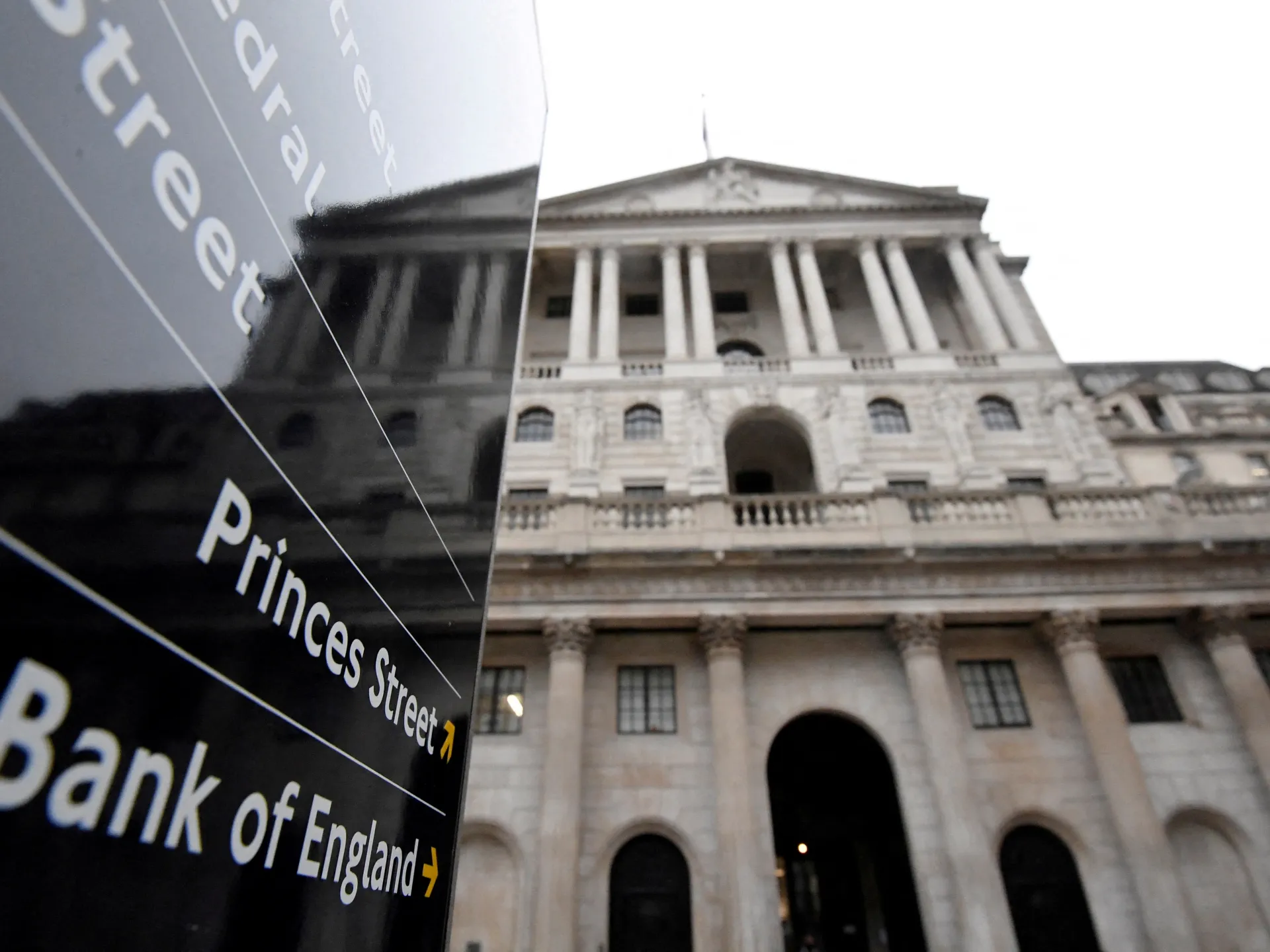
The Bank of England (BoE) has initiated a crucial and unprecedented stress test focusing on the UK financial system’s exposure to the rapidly expanding realm of private markets. This move, announced in the December 2, 2025, Financial Stability Report, estimates that major UK banks currently hold almost US$230 billion of exposure to private funds and corporates backed by financial sponsors, including private equity (PE) and private credit (PC) funds. The sheer scale and complexity of this exposure, which largely sits outside traditional regulatory perimeters, is driving the central bank to conduct this extensive risk analysis.
The Bank acknowledged in its report that private markets are undoubtedly an important source of funding for business and economic growth. However, it issued a stark warning: “While resilient to date, private markets have not been tested through a broad-based macroeconomic stress at their current size.” The System-Wide Exploratory Scenario (SWES), as the exercise is formally known, is explicitly designed to address critical data gaps and explore how a severe but plausible global downturn could propagate risks through interconnections between banks, non-banks, and the UK corporate sector.
Build the future you deserve. Get started with our top-tier Online courses: ACCA, HESI A2, ATI TEAS 7, HESI EXIT, NCLEX-RN, NCLEX-PN, and Financial Literacy. Let Serrari Ed guide your path to success. Enroll today.
The Governor’s Warning: The ‘Canary in the Coal Mine’
The urgency of the stress test was underscored two months prior by Andrew Bailey, Governor of the Bank of England. Speaking at a House of Lords committee in October 2025, Bailey highlighted the collapse of two high-profile, private credit-backed businesses in the US, using a grim analogy to capture the growing systemic concerns. He described the bankrupt companies—auto parts firm First Brands Group and subprime auto lending firm Tricolor Holdings—as potentially “the canary in the coal mine” for the global financial system.
Bailey’s concern was not limited to the individual failures; rather, it centered on whether these defaults indicated “something more fundamental in private credit markets.” He evoked parallels with the lead-up to the 2008 global financial crisis (GFC), noting that before that crisis became systemic, regulators were told that sub-prime mortgage issues were “too small to be systemic,” which proved to be “the wrong call.” The failures of First Brands and Tricolor, which left numerous US banks nursing multi-million-dollar losses, intensified the focus on weaknesses previously flagged by the Financial Policy Committee (FPC), including high leverage, opacity, and complex structures within private credit.
In the case of First Brands, the company reportedly borrowed as much as $50 billion via private debt against some assets valued at only between $1 billion and $10 billion, showcasing extreme leverage. The collapse of Tricolor, which was mired in fraud allegations, meanwhile, prompted strong caution from senior finance figures. Jamie Dimon, CEO of JPMorgan Chase & Co, famously warned that “everyone should be forewarned” over further potential losses on private credit deals, a sentiment echoed by the BoE Governor.
The System-Wide Exploratory Scenario (SWES)
The BoE’s response is the System-Wide Exploratory Scenario (SWES), a two-round exercise that goes beyond traditional bank-only stress tests. The focus is specifically on the resilience of the ecosystem providing private market and related public market finance to the UK corporate sector.
Participants in this sweeping exercise include traditional and alternative asset managers, large banks providing credit to both private market funds and private equity-sponsored corporates, and institutional investors like pension funds that provide the capital. In aggregate, the alternative asset managers involved account for roughly one third of UK PE leveraged buyout activity and about half of UK and global private credit activity to the corporate sector. This unprecedented collaboration is designed to explore how actions by individual firms in a severe downturn could amplify stress across the financial system, potentially leading to fire sales, widening credit spreads, and tightening financing conditions for UK households and corporates.
The bulk of the exercise will be completed throughout 2026, with the Bank planning to publish a final report in early 2027, setting out aggregate system-wide findings and any conclusions for the Bank’s assessment of financial stability risks. The exercise is not intended to test the resilience of individual firms, but rather the structural integrity of the entire financial market infrastructure.
Transmission Channels: Banking Sector Vulnerabilities
The $230 billion exposure of UK banks represents a critical potential transmission channel for global private market shocks. Banks interact with private credit and private equity in two primary ways: lending directly to the corporate portfolio companies held by PE firms, and lending to the funds themselves via subscription lines of credit.
A major concern raised in the Financial Stability Report is the elevated level of leverage within the underlying portfolio companies. Studies have shown that the average debt-to-EBITDA for UK private equity portfolio companies averages 7.6x, significantly higher than the 2.8x benchmark for public companies. Should a global downturn severely impact the earnings (EBITDA) of these leveraged companies, the default rate would spike, causing losses that propagate back through the banks providing the financing.
Furthermore, the central bank cited concerns over the proliferation of smaller credit ratings agencies potentially producing flawed ratings of private markets debt. This reliance on credit ratings as a substitute for thorough due diligence is a vulnerability reminiscent of the GFC era. The opacity and complexity inherent in private credit structures, which often lack the transparency of public market instruments, make the true extent of these exposures difficult to ascertain, creating uncertainty about how widely shocks can propagate when correlations and losses shift outside historical norms.
One decision can change your entire career. Take that step with our Online courses in ACCA, HESI A2, ATI TEAS 7, HESI EXIT, NCLEX-RN, NCLEX-PN, and Financial Literacy. Join Serrari Ed and start building your brighter future today.
The Insurer Channel: Risks in Funded Reinsurance
Beyond the banking sector, the stress test is also keenly focused on risks to UK insurers through the rising use of funded reinsurance contracts. This complex financial mechanism involves UK life insurers transferring long-term liabilities—typically from their rapidly expanding bulk purchase annuity (BPA) business—to third-party reinsurers, which are often offshore and not directly PRA-regulated.
While funded reinsurance allows UK insurers to free up capital and offer competitive pricing, the Prudential Regulation Authority (PRA) views it as a form of “regulatory arbitrage” that allows insurers to reduce the capital they hold while the underlying risk remains substantial. In these arrangements, both longevity risks and asset-related risks are transferred. The PRA is particularly concerned that the transfer of investment risk effectively transforms the arrangement into a collateralised loan bundled with a longevity swap, despite being wrapped in a reinsurance contract.
The PRA’s key focus is seeking insight into whether the investment component of funded reinsurance should be ‘unbundled’ from the longevity risk for valuation purposes on the Solvency UK balance sheet. The Bank fears that if large volumes of this business—projected to be in the tens of billions in the next decade—pose systemic risk due to correlation and lack of transparency, the PRA may be forced to impose explicit regulatory restrictions or limits on the amount and structure of these deals. The concern is that if a severe downturn forces a sudden withdrawal or recapture of these arrangements, it could destabilize the UK insurance sector and the wider economy.
The AI Bubble: A New Vector of Contagion
Another material risk highlighted in the December 2025 Financial Stability Report is the growth of private lending to artificial intelligence (AI) companies. The BoE noted that risky asset valuations remain materially stretched, particularly for technology companies focused on AI. This environment, which has seen US equity valuations approach levels last seen during the dot-com bubble, heightens the risk of a sharp correction.
The BoE specifically raised concerns that the potential bursting of an AI bubble could underscore contagion risk across a wide range of banks and non-bank investors. The massive infrastructure investment required by AI firms means that approximately half of this capital expenditure is expected to be financed externally, mostly through debt. This increased debt financing and the increasing interconnections between AI firms and the credit markets mean that should an asset price correction occur, losses on lending could increase financial stability risks—a new vector for systemic contagion.
The BoE’s proactive approach acknowledges that stress in one market, like a sharp AI-driven asset price correction, could spill over into other markets, forcing simultaneous de-risking by banks and non-banks, which leads back to the danger of fire sales.
The Pension Fund Paradox: Growth vs. Risk
The stress test is launched amidst a major government drive to channel UK pension capital into the very private assets that regulators now view with heightened scrutiny. In May 2025, 17 leading UK pension funds, including major providers like Phoenix Group, committed to the Mansion House Accord. This landmark agreement pledges to invest at least 10% of their defined-contribution (DC) default funds in private markets by 2030, with a target of 5% earmarked for UK investments.
This push, which the Government estimates could provide an additional £48 billion worth of assets allocated to private markets by 2030, is intended to boost economic growth and improve returns for savers by addressing the historical underinvestment by UK pension funds in productive assets like infrastructure and private equity.
This creates a tension for the BoE: while the government is encouraging investment into these higher-yielding, less liquid asset classes for long-term growth, the central bank must ensure that this capital migration does not compromise financial resilience. The stress test, therefore, also examines how large-scale pension fund allocations to illiquid private assets would behave under stress, particularly concerning potential liquidity constraints and the need to provide accurate valuations to members. The BoE’s objective is to ensure that the pursuit of growth is balanced with robust governance and stability.
Conclusion and Global Implications
The Bank of England’s decision to launch the SWES is a prudential response to the unprecedented growth of the $4.5 trillion global private credit market and its deep, often opaque, interconnections with the UK’s core financial institutions. With risks to financial stability having increased during 2025 and material uncertainty in the global macroeconomic outlook persisting, the BoE cannot afford to repeat the regulatory mistakes of the past.
The test, which draws parallels from the early warnings of the 2008 GFC, signals a global regulatory shift towards recognizing non-bank financial intermediaries as systemic players. By focusing on bank exposure to financial sponsor-backed debt, the specific vulnerabilities within the insurance sector via funded reinsurance, and emerging risks from the highly leveraged AI technology sector, the Bank of England is not merely testing resilience—it is attempting to shine a light into the shadow banking system to map potential contagion pathways. The aggregated, system-wide findings, due in early 2027, will not only inform UK domestic policy but will also be shared with central banks, regulators, and international bodies such as the Financial Stability Board, setting a new global standard for the oversight of private capital markets.
Ready to take your career to the next level? Join our Online courses: ACCA, HESI A2, ATI TEAS 7 , HESI EXIT , NCLEX – RN and NCLEX – PN, Financial Literacy!🌟 Dive into a world of opportunities and empower yourself for success. Explore more at Serrari Ed and start your exciting journey today! ✨
Track GDP, Inflation and Central Bank rates for top African markets with Serrari’s comparator tool.
See today’s Treasury bonds and Money market funds movement across financial service providers in Kenya, using Serrari’s comparator tools.
Photo source: Google
By: Montel Kamau
Serrari Financial Analyst
8th December, 2025
Article, Financial and News Disclaimer
The Value of a Financial Advisor
While this article offers valuable insights, it is essential to recognize that personal finance can be highly complex and unique to each individual. A financial advisor provides professional expertise and personalized guidance to help you make well-informed decisions tailored to your specific circumstances and goals.
Beyond offering knowledge, a financial advisor serves as a trusted partner to help you stay disciplined, avoid common pitfalls, and remain focused on your long-term objectives. Their perspective and experience can complement your own efforts, enhancing your financial well-being and ensuring a more confident approach to managing your finances.
Disclaimer: This article is for informational purposes only and does not constitute financial advice. Readers are encouraged to consult a licensed financial advisor to obtain guidance specific to their financial situation.
Article and News Disclaimer
The information provided on www.serrarigroup.com is for general informational purposes only. While we strive to keep the information up to date and accurate, we make no representations or warranties of any kind, express or implied, about the completeness, accuracy, reliability, suitability, or availability with respect to the website or the information, products, services, or related graphics contained on the website for any purpose. Any reliance you place on such information is therefore strictly at your own risk.
www.serrarigroup.com is not responsible for any errors or omissions, or for the results obtained from the use of this information. All information on the website is provided on an as-is basis, with no guarantee of completeness, accuracy, timeliness, or of the results obtained from the use of this information, and without warranty of any kind, express or implied, including but not limited to warranties of performance, merchantability, and fitness for a particular purpose.
In no event will www.serrarigroup.com be liable to you or anyone else for any decision made or action taken in reliance on the information provided on the website or for any consequential, special, or similar damages, even if advised of the possibility of such damages.
The articles, news, and information presented on www.serrarigroup.com reflect the opinions of the respective authors and contributors and do not necessarily represent the views of the website or its management. Any views or opinions expressed are solely those of the individual authors and do not represent the website's views or opinions as a whole.
The content on www.serrarigroup.com may include links to external websites, which are provided for convenience and informational purposes only. We have no control over the nature, content, and availability of those sites. The inclusion of any links does not necessarily imply a recommendation or endorsement of the views expressed within them.
Every effort is made to keep the website up and running smoothly. However, www.serrarigroup.com takes no responsibility for, and will not be liable for, the website being temporarily unavailable due to technical issues beyond our control.
Please note that laws, regulations, and information can change rapidly, and we advise you to conduct further research and seek professional advice when necessary.
By using www.serrarigroup.com, you agree to this disclaimer and its terms. If you do not agree with this disclaimer, please do not use the website.
www.serrarigroup.com, reserves the right to update, modify, or remove any part of this disclaimer without prior notice. It is your responsibility to review this disclaimer periodically for changes.
Serrari Group 2025