










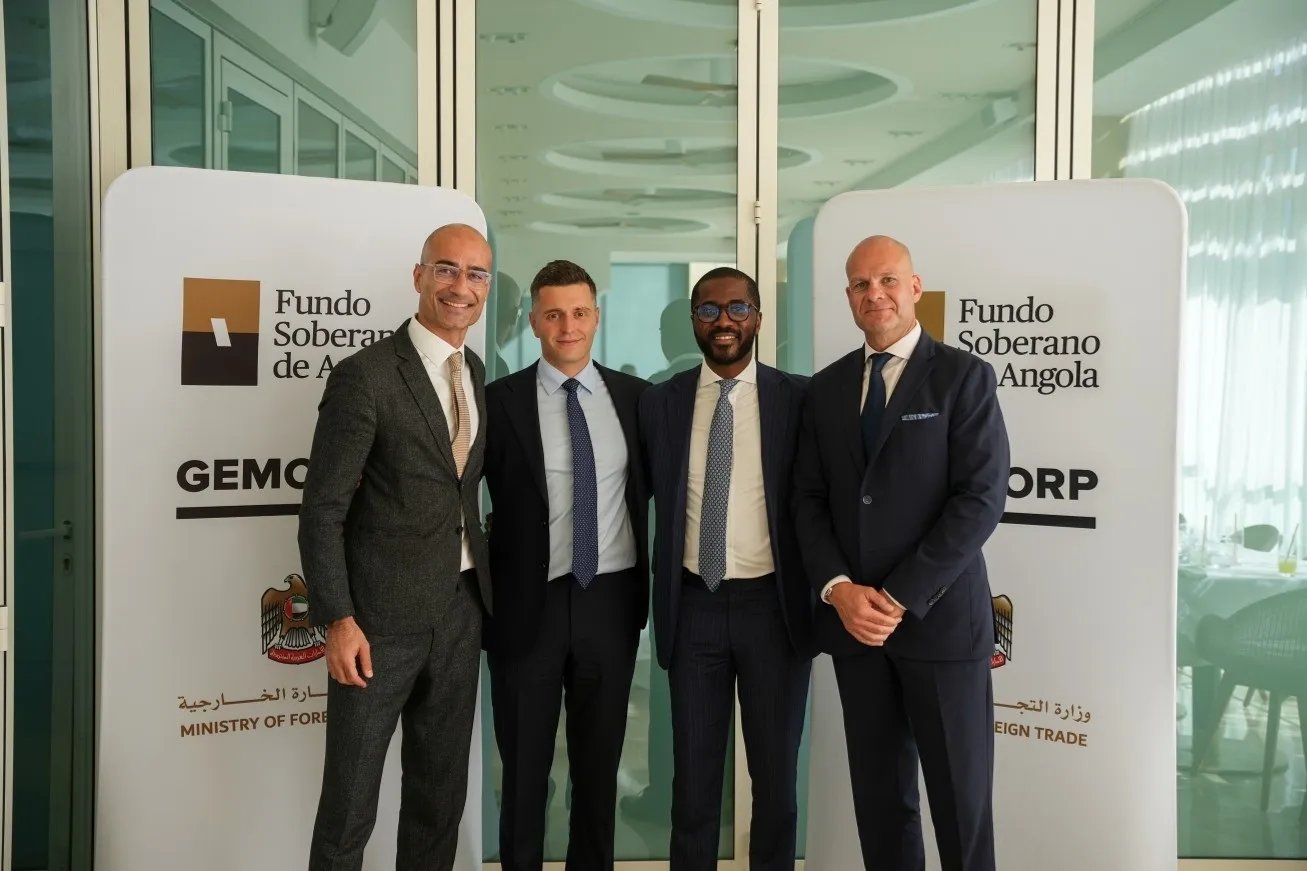
The announcement of a $500-million Africa-focused infrastructure fund, a joint venture between Angola’s Fundo Soberano de Angola (FSDEA), the country’s sovereign wealth fund, and the London-based asset management firm Gemcorp Capital, marks a significant inflection point in the financing of African development. This new vehicle, dubbed the Pan-African Infrastructure Fund, is strategically designed to bridge the continent’s massive infrastructure financing shortfall by actively attracting private-sector capital into key, future-proof sectors.
The fund’s core mission is to make investments across the continent, prioritizing areas that are essential for long-term economic resilience and global strategic needs: critical minerals, water, food security, and the crucial energy transition. The strategic choice to base the fund in Abu Dhabi is deliberate, intended to capitalize on the growing volume of Gulf investment flowing into Africa in recent years.
Build the future you deserve. Get started with our top-tier Online courses: ACCA, HESI A2, ATI TEAS 7, HESI EXIT, NCLEX-RN, NCLEX-PN, and Financial Literacy. Let Serrari Ed guide your path to success. Enroll today.
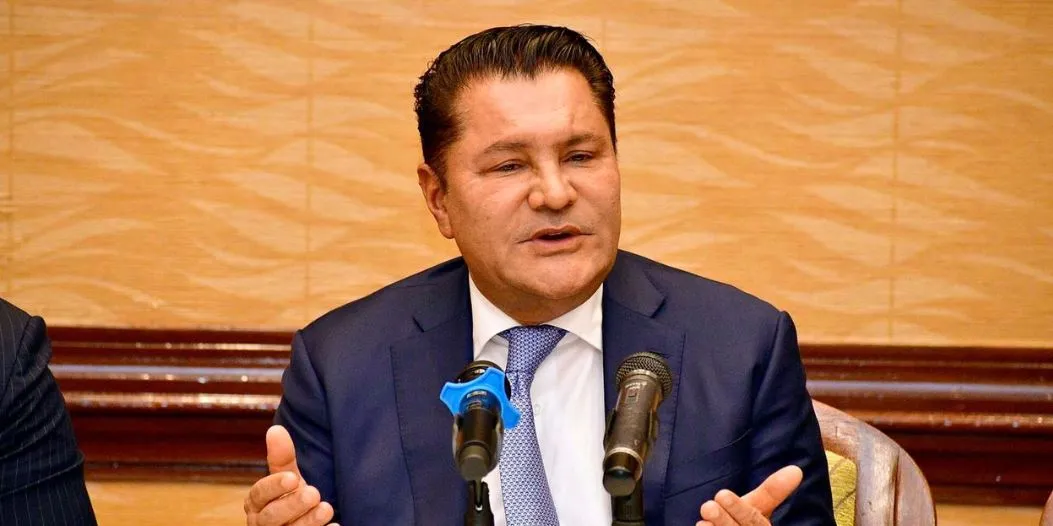
Armando Manuel, the newly appointed Chair of FSDEA, articulated the fund’s ambition to act as a catalyst. He stated the FSDEA was “seeding some capital into this initiative… attracting other investors, particularly the (Gulf) players, into the vast opportunities that we have in the continent”. The initiative represents a bold step for Angola, leveraging its state wealth not just for passive global investments, but for targeted, regional development, while simultaneously seeking to recast its sovereign fund’s image following years of governance challenges.
Financial Structure and Global Appetite
The Pan-African Infrastructure Fund has established a clear, layered funding structure designed to anchor institutional confidence. FSDEA has committed an initial $50-million investment, with the potential to increase its total contribution up to **$200 million**. London-based Gemcorp will contribute up to $50 million, bringing the core capital commitment from the founding partners to a minimum of $100 million and a potential maximum of $250 million.
The remaining capital is being sought from global investors who are increasingly looking to diversify from “crowded” financial markets in the U.S. and Europe. This is a powerful narrative in contemporary finance, where traditional developed markets are perceived to offer shrinking real returns and rising volatility. Africa, conversely, boasts a massive infrastructure financing gap and offers assets with inherently long-term, stable return profiles that appeal to pension funds and institutional investors.
Asad Hajiyev, a senior executive officer at Gemcorp in Abu Dhabi, confirmed the broad and enthusiastic reception from the global investment community. He noted that the “level of appetite that we’ve witnessed, whether it is pension schemes all the way in Nordic Europe, to investors in GCC to international institutional capital as well as family offices, is vast.” This confluence of institutional capital seeking diversification and emerging markets offering high-impact investment opportunities positions the Pan-African Infrastructure Fund to successfully mobilize the targeted $500 million.
Gemcorp’s role is critical beyond capital contribution; the firm, which focuses on emerging markets, will utilize its existing platform and local staff in Africa to manage the operational aspects and deployment of the projects. This local presence, built over a decade of investing in Angola and other African nations, is crucial for mitigating execution risks and navigating the continent’s diverse regulatory landscapes.
Addressing Africa’s Critical Infrastructure Gap
The fund directly targets the continent’s profound infrastructure deficit, which the African Development Bank (AfDB) estimates requires between $130 billion to $170 billion annually, leaving a financing shortfall of $68 billion to $108 billion. This gap is widely acknowledged as the single most pressing barrier to achieving sustainable economic development across Africa.
The fund’s investment pillars—critical minerals, water, food security, and energy transition—are aligned with the highest priority needs identified by continental development frameworks like the Programme for Infrastructure Development in Africa (PIDA).
Critical Minerals and Geopolitical Supply Chains
The focus on critical minerals reflects a strategic response to the global shift towards green energy. Africa is exceptionally resource-rich, holding vast reserves of materials essential for electric vehicle batteries, power transmission lines, and renewable energy technologies, including 90% of the world’s cobalt and 64% of manganese.
Gemcorp has demonstrated an understanding of this sector’s importance, with its Portfolio Manager, Viloshan Govender, previously discussing the “huge growth in demand for critical minerals” and the crucial role the emerging world plays in meeting this demand. By financing the necessary rail, power, and logistics infrastructure adjacent to mining operations, the Pan-African Infrastructure Fund aims to enhance Africa’s position in global supply chains, moving beyond mere resource extraction to value creation.
Energy Transition and Sustainable Power
The fund prioritizes the energy transition, a vital area given that power and telecommunications infrastructure have historically captured the largest share of private capital investment in Africa. The investments will likely focus on renewables, such as utility-scale solar and wind projects, which are essential for supporting economic growth while simultaneously addressing climate goals.
The increasing demand for digital infrastructure, particularly data centers driven by AI adoption, is directly tied to the need for robust and clean power generation. The fund is positioned to invest in the power generation and transmission infrastructure that will support this rapid digital expansion, aligning with the global trend of decarbonization and digital transformation.
One decision can change your entire career. Take that step with our Online courses in ACCA, HESI A2, ATI TEAS 7, HESI EXIT, NCLEX-RN, NCLEX-PN, and Financial Literacy. Join Serrari Ed and start building your brighter future today.
Water and Food Security
Investments in water infrastructure—including water sanitation projects, desalination, and waste-water treatment—are critically important given the challenges of rapid urbanization and climate change. Furthermore, investments in food security will focus on agricultural infrastructure, logistics, and irrigation systems, which are essential for capitalizing on Africa’s 65% share of the world’s arable land and reducing reliance on imports, thereby stabilizing local prices and boosting economic resilience.
The GCC-Africa Investment Corridor: Tapping the Gulf
The decision to establish the Pan-African Infrastructure Fund in Abu Dhabi leverages the significant and growing capital flow from the GCC into Africa. The Gulf states, led by the UAE, Saudi Arabia, and Qatar, are pursuing economic diversification that necessitates securing long-term resources, establishing new trade corridors, and deploying massive sovereign capital.
GCC foreign direct investment (FDI) in Africa has surged, reaching over USD 179 billion between 2012 and 2025, with the UAE alone contributing USD 64.3 billion. The investments are often concentrated in precisely the sectors the new fund targets: infrastructure, logistics (especially ports), agriculture, and the energy transition.
By locating the fund in a prominent financial hub like Abu Dhabi, the FSDEA and Gemcorp gain immediate access to major Gulf sovereign wealth funds and institutional investors who already have strategic mandates aligned with African development. This geographical bridge allows the Pan-African Infrastructure Fund to benefit from the Gulf’s “new era of strategic partnership” with Africa, transforming what was once primarily a trade relationship into a deep, diversified investment corridor.
Angola’s FSDEA: A New Chapter of Governance
The formation of this fund marks a significant moment for the Fundo Soberano de Angola (FSDEA), an entity founded in 2011 with an initial capital of $5 billion. The fund has a history marked by controversies surrounding opacity and poor governance, most notably involving the fund’s former chairman, José Filomeno dos Santos, the son of the former president.
In a high-profile anti-corruption campaign led by current President João Lourenço, dos Santos was removed from his post in 2018 and later sentenced in 2020 to five years in prison for fraud and embezzlement related to the alleged misappropriation of state funds. This legal proceeding, alongside other reforms, was part of a concerted effort by the current Angolan administration to improve governance and accountability across state-owned enterprises.
Manuel emphasized the FSDEA’s current commitment to improved governance and transparency, stating that the fund would “continue to spread the portfolio,” which remains heavily concentrated in traditional financial instruments like securities, bonds, shares, and derivatives, predominantly held in U.S., European, and Asian markets. By pivoting a portion of its capital into a focused, co-managed, and sector-specific vehicle like the Pan-African Infrastructure Fund, the FSDEA signals a move towards tangible, impact-driven investments within the continent, adhering to international best practices like the Santiago Principles that promote transparency and accountability for SWFs.
This diversification away from volatile securities markets and into the stable, long-term asset class of African infrastructure is not merely an investment decision; it is a reputational reset. It shows the FSDEA shifting its focus from being a passive global investor to an active partner in African economic development, which aligns better with the fund’s stated mission to generate sustainable returns that favor the Angolan people and economy.
Gemcorp Capital: A Decade of Commitment to Angola
The choice of Gemcorp Capital as a partner is significant due to the firm’s deep, decade-long commitment to Angola and its established operational footprint across the continent. Founded in 2014, Gemcorp has been financing the Angolan state since 2015 with various credit facilities.
Gemcorp’s involvement in Angola is highlighted by its key role in the construction of the Cabinda refinery, where it is the main shareholder via Gemcorp Holdings and has been instrumental in securing $2 billion in financing negotiations with the Angolan government. This kind of long-term, complex project financing demonstrates the firm’s capacity to manage large-scale, transformative infrastructure projects—the exact expertise required for the new fund. Gemcorp’s prior investments in renewables, water sanitation projects, and power transmission across Africa further underscore its specialized sector knowledge.
In late 2025, Gemcorp strengthened its Angolan presence by launching Kassai, an asset management company led by Walter Pacheco, the former CEO of the Angolan Stock Exchange (Bodiva). Kassai’s mandate is explicitly to mobilize national and international resources for the growth of the Angolan economy, directly complementing the goals of the Pan-African Infrastructure Fund by boosting the local capital market and financing strategic opportunities. Gemcorp’s investment history already exceeds $8.7 billion deployed globally, with a significant focus on emerging market private credit and private equity.
Challenges and Future Outlook
While the Pan-African Infrastructure Fund presents a compelling model for blended finance—mixing public sovereign capital with targeted private sector investment—it will inevitably face the persistent challenges of African investment. These include:
- Regulatory Complexity and Policy Risk: Despite improvements in countries like Angola, the regulatory environment across Africa remains complex and fragmented, requiring significant local expertise and patience for project preparation.
- Currency Volatility: The mismatch between local currency revenues from infrastructure projects and hard currency financing obligations remains a primary constraint for international investors.
- Project Readiness: Securing a pipeline of truly “bankable” projects that are ready for private investment, complete with solid feasibility studies and transparent procurement processes, is often a bottleneck.
The use of blended finance structures, which combine public and private capital, will be crucial. This model is gaining traction in African infrastructure, where concessional loans and de-risking measures are essential for mobilizing large-scale private investment.
Ultimately, the new fund represents a maturing vision for African wealth. By joining forces with a proven partner like Gemcorp and strategically leveraging the liquidity and ambition of the Gulf, the FSDEA is attempting to turn the page on its past and position Angola as a leader in financing the next phase of continental growth. This tri-polar partnership—African capital, global private equity expertise, and Gulf financial muscle—offers a promising template for sustainable infrastructure development in the African century.
Ready to take your career to the next level? Join our Online courses: ACCA, HESI A2, ATI TEAS 7 , HESI EXIT , NCLEX – RN and NCLEX – PN, Financial Literacy!🌟 Dive into a world of opportunities and empower yourself for success. Explore more at Serrari Ed and start your exciting journey today! ✨
Track GDP, Inflation and Central Bank rates for top African markets with Serrari’s comparator tool.
See today’s Treasury bonds and Money market funds movement across financial service providers in Kenya, using Serrari’s comparator tools.
Photo source: Google
By: Montel Kamau
Serrari Financial Analyst
9th December, 2025
Article, Financial and News Disclaimer
The Value of a Financial Advisor
While this article offers valuable insights, it is essential to recognize that personal finance can be highly complex and unique to each individual. A financial advisor provides professional expertise and personalized guidance to help you make well-informed decisions tailored to your specific circumstances and goals.
Beyond offering knowledge, a financial advisor serves as a trusted partner to help you stay disciplined, avoid common pitfalls, and remain focused on your long-term objectives. Their perspective and experience can complement your own efforts, enhancing your financial well-being and ensuring a more confident approach to managing your finances.
Disclaimer: This article is for informational purposes only and does not constitute financial advice. Readers are encouraged to consult a licensed financial advisor to obtain guidance specific to their financial situation.
Article and News Disclaimer
The information provided on www.serrarigroup.com is for general informational purposes only. While we strive to keep the information up to date and accurate, we make no representations or warranties of any kind, express or implied, about the completeness, accuracy, reliability, suitability, or availability with respect to the website or the information, products, services, or related graphics contained on the website for any purpose. Any reliance you place on such information is therefore strictly at your own risk.
www.serrarigroup.com is not responsible for any errors or omissions, or for the results obtained from the use of this information. All information on the website is provided on an as-is basis, with no guarantee of completeness, accuracy, timeliness, or of the results obtained from the use of this information, and without warranty of any kind, express or implied, including but not limited to warranties of performance, merchantability, and fitness for a particular purpose.
In no event will www.serrarigroup.com be liable to you or anyone else for any decision made or action taken in reliance on the information provided on the website or for any consequential, special, or similar damages, even if advised of the possibility of such damages.
The articles, news, and information presented on www.serrarigroup.com reflect the opinions of the respective authors and contributors and do not necessarily represent the views of the website or its management. Any views or opinions expressed are solely those of the individual authors and do not represent the website's views or opinions as a whole.
The content on www.serrarigroup.com may include links to external websites, which are provided for convenience and informational purposes only. We have no control over the nature, content, and availability of those sites. The inclusion of any links does not necessarily imply a recommendation or endorsement of the views expressed within them.
Every effort is made to keep the website up and running smoothly. However, www.serrarigroup.com takes no responsibility for, and will not be liable for, the website being temporarily unavailable due to technical issues beyond our control.
Please note that laws, regulations, and information can change rapidly, and we advise you to conduct further research and seek professional advice when necessary.
By using www.serrarigroup.com, you agree to this disclaimer and its terms. If you do not agree with this disclaimer, please do not use the website.
www.serrarigroup.com, reserves the right to update, modify, or remove any part of this disclaimer without prior notice. It is your responsibility to review this disclaimer periodically for changes.
Serrari Group 2025