Kenya’s mobile money ecosystem is approaching a decisive new phase. After more than a decade of rapid growth, near-universal adoption, and relentless innovation, competition is no longer about signing up new users—it is about who controls how Kenyans borrow, spend, and manage short-term liquidity. At the center of this contest sits instant digital credit, a product category that has quietly become one of the most powerful drivers of revenue, user loyalty, and behavioral lock-in.
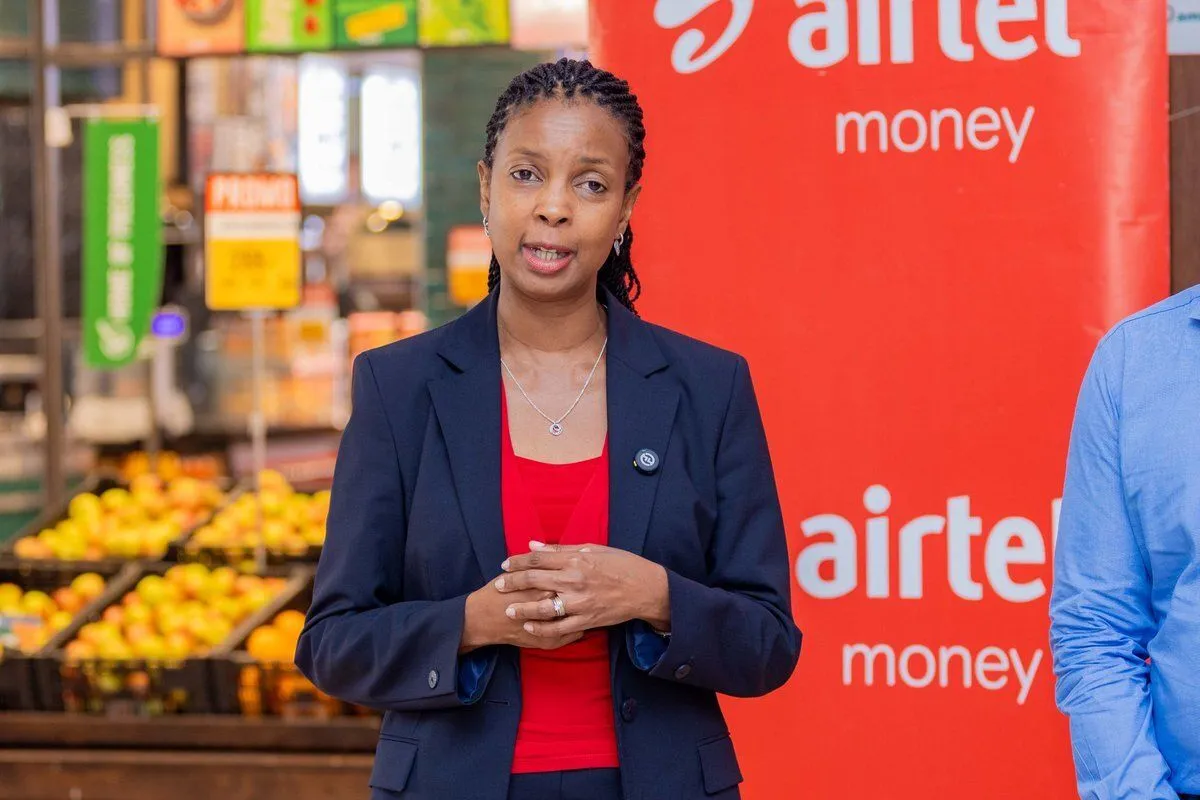
Against this backdrop, Airtel Kenya is preparing to launch an overdraft-style mobile money product designed to rival Safaricom’s hugely successful Fuliza. While details remain under wraps, Airtel has confirmed it is in advanced stages of regulatory and stakeholder approvals, with a launch expected in early 2026. Crucially, the company has signaled that pricing will be its primary weapon, positioning the new product as a lower-cost alternative to Fuliza, which has increasingly drawn criticism for high and opaque charges.
This is more than a product launch. It is a strategic challenge to Safaricom’s dominance in mobile money—and potentially a turning point in how Kenya’s digital credit economy evolves.
Build the future you deserve. Get started with our top-tier Online courses: ACCA, HESI A2, ATI TEAS 7, HESI EXIT, NCLEX-RN, NCLEX-PN, and Financial Literacy. Let Serrari Ed guide your path to success. Enroll today.
Why Digital Overdrafts Matter in Kenya
To understand why Airtel’s move is significant, one must first grasp the role instant digital credit plays in everyday Kenyan life. Mobile money is no longer merely a payment rail; it is a financial operating system. For millions of users, M-Pesa and Airtel Money determine whether they can pay for transport, food, electricity, school fees, or emergency expenses—often in real time.
In this environment, overdraft products like Fuliza serve a critical function. They smooth cash-flow gaps for households and small businesses that operate on thin margins and irregular income. A few hundred shillings can mean the difference between completing a transaction or being locked out of daily economic activity.
This makes digital overdrafts extraordinarily sticky. Once users rely on them, switching costs rise dramatically—not because of contracts, but because of habit, convenience, and embedded financial behavior.
Fuliza: How Safaricom Built a Credit Juggernaut
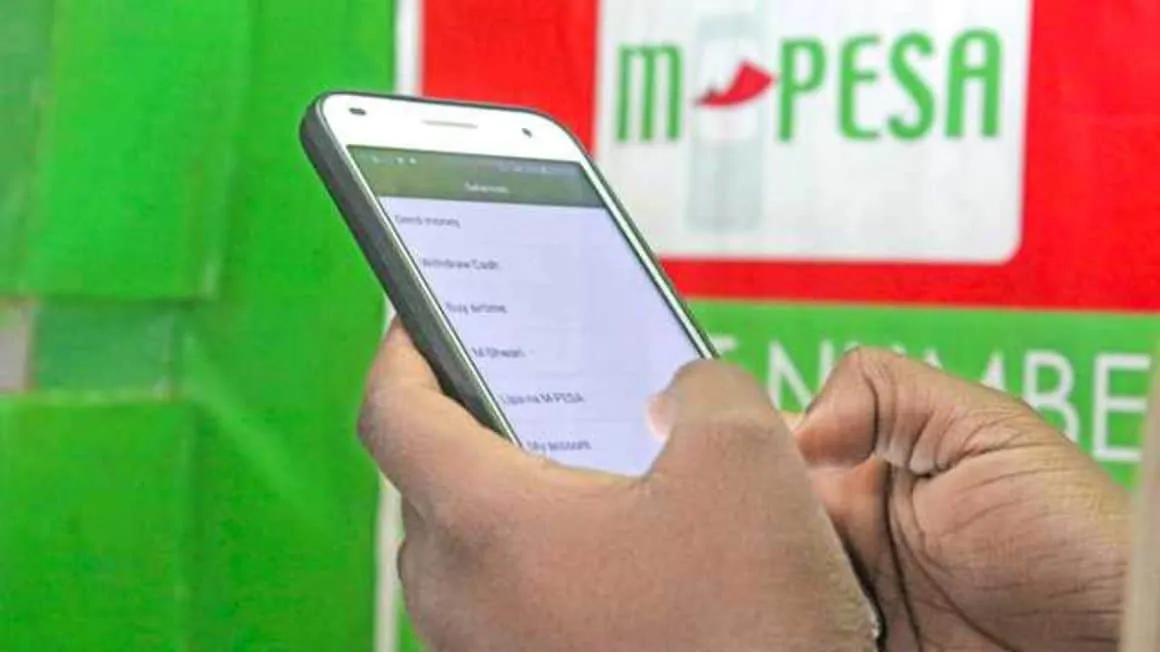
Safaricom launched Fuliza in 2019 as a response to declining revenues from traditional mobile money fees and growing competition from digital lenders. Rather than offering a standalone loan, Fuliza embedded credit directly into the transaction flow of M-Pesa.
If a customer initiates a transaction without sufficient funds—whether a person-to-person transfer, bill payment, airtime purchase, or agent withdrawal—Fuliza automatically tops up the balance up to a personalized limit. Incoming funds then repay the overdraft automatically.
The brilliance of Fuliza lies in its frictionless design. There is no separate loan application, no disbursement step, and no repayment decision. Credit simply appears when needed and disappears when funds arrive.
However, this convenience comes at a cost. Fuliza charges:
- A one-off access fee of 1% of the amount borrowed
- Daily maintenance fees ranging from KSh5 to KSh30, depending on loan size
- A maximum limit of KSh70,000
While each individual charge may appear modest, cumulative costs can be significant—particularly for users who rely on Fuliza repeatedly.
One decision can change your entire career. Take that step with our Online courses in ACCA, HESI A2, ATI TEAS 7, HESI EXIT, NCLEX-RN, NCLEX-PN, and Financial Literacy. Join Serrari Ed and start building your brighter future today.
Explosive Growth, Rising Dependence
The numbers illustrate just how deeply Fuliza has penetrated Kenya’s financial bloodstream.
In the six months to September 2025:
- Active Fuliza users rose 22.2% to 9.1 million, up from 7.5 million a year earlier
- Kenyans borrowed KSh629.2 billion through the service, a 39.8% year-on-year increase
- The average loan size grew 7.8% to KSh254.60, signaling deeper reliance on short-term credit
These are not marginal figures. They point to a structural dependence on instant liquidity—particularly among low- and middle-income users.
For Safaricom, the payoff has been enormous. Fuliza has helped drive M-Pesa revenue up 14% to KSh88.1 billion in the same period, accounting for nearly half of the company’s total revenue of KSh199.9 billion. In effect, digital credit has become a core profit engine rather than a peripheral service.
The Paradox: Massive Growth, Limited Reach
Despite its scale, Fuliza still serves a minority of Safaricom’s customer base. Only 17.8% of Safaricom’s 51.12 million active subscribers are active Fuliza users.
This paradox—high volumes but limited penetration—reveals both opportunity and risk. On one hand, it suggests substantial room for growth. On the other, it hints at latent resistance, possibly driven by pricing concerns, fear of debt cycles, or lack of eligibility among lower-usage customers.
It is precisely into this gap that Airtel is stepping.
Airtel’s Strategy: Compete on Cost, Not Scale
Airtel Money controls just 10.3% of Kenya’s mobile money market, compared to M-Pesa’s commanding 89.7% share. With mobile money penetration already at 92.8%, Airtel cannot realistically compete by adding new users alone. Growth must come from stealing share or increasing usage intensity.
Launching a Fuliza-style overdraft product is therefore a logical move—but Airtel’s real differentiator will be pricing.
By positioning its product as more affordable, Airtel is betting on two things:
- Price sensitivity among heavy Fuliza users, many of whom feel trapped by cumulative fees
- Latent demand among users who have avoided Fuliza altogether due to cost concerns
If Airtel succeeds, it could begin to chip away at Safaricom’s most lucrative customer behaviors—not by outscaling M-Pesa, but by undercutting it.
Regulatory and Banking Partnerships
Like Fuliza, Airtel’s overdraft product will require banking partners and regulatory approval. Fuliza is underwritten by NCBA Bank Kenya and KCB Bank Kenya, which provide balance-sheet support and risk management.
Airtel will need similar partnerships to fund advances, manage defaults, and satisfy regulatory capital requirements. The advanced approval stage suggests these arrangements are already in place—or close.
This highlights a broader trend: telcos are no longer just payment providers, but front-end distribution channels for regulated financial products, with banks increasingly operating in the background.
A Market Near Saturation, A Battlefield of Usage
Kenya’s mobile money market is no longer about penetration. With 48.6 million mobile money subscriptions as of September 2025, growth is now driven by:
- Transaction frequency
- Product depth
- Credit dependency
- Ecosystem lock-in
This makes overdraft services especially strategic. Users who rely on instant credit are more likely to:
- Keep funds within the same wallet
- Route more payments through that platform
- Remain loyal even when cheaper alternatives exist
Safaricom understands this well, which is why Fuliza is tightly integrated with other services like M-Shwari, whose monthly active users rose 17.6% to 7.9 million by September 2025.
Airtel’s challenge is not just to launch a cheaper product, but to embed it deeply enough that users change habits.
The Consumer Question: Relief or New Risks?
From a consumer perspective, Airtel’s entry could bring much-needed relief. Price competition may:
- Lower borrowing costs
- Reduce effective interest rates
- Force Safaricom to reconsider fee structures
However, there is also a risk that easier, cheaper access to overdrafts could deepen reliance on short-term debt, especially among vulnerable users. Fuliza has already sparked debate about whether digital credit is becoming a substitute for income rather than a bridge.
A more competitive market may intensify these dynamics unless accompanied by stronger consumer education and safeguards.
What This Means for Safaricom
Safaricom faces an uncomfortable reality: its most profitable product is also one of its most controversial. If Airtel launches a compelling alternative, Safaricom may be forced to choose between:
- Defending margins
- Preserving market share
- Or recalibrating pricing to retain trust
Given Fuliza’s contribution to revenue, any pricing adjustment would have material financial implications. Yet ignoring the challenge could allow Airtel to gain a foothold in precisely the segment Safaricom relies on for growth.
A Turning Point for Kenya’s Digital Credit Market
Airtel’s planned overdraft launch is not just about rivalry—it reflects a maturing mobile money economy. As Kenya moves from expansion to optimization, competition is shifting toward who offers fairer, smarter, and more sustainable credit.
The outcome will shape:
- How millions manage daily liquidity
- How telcos monetize financial services
- How regulators balance innovation and consumer protection
Whether Airtel’s challenge succeeds or not, one thing is clear: Fuliza’s era of uncontested dominance is coming to an end.
Conclusion: The Battle for the Kenyan Wallet Intensifies
Kenya’s mobile money market is entering its most competitive phase yet. With subscriber growth largely exhausted, the fight has moved to behavior, pricing, and dependency. Airtel’s impending overdraft product represents the first serious attempt to challenge Fuliza at its core.
If Airtel delivers on its promise of lower costs, the impact could ripple across the entire ecosystem—forcing pricing reforms, reshaping user loyalty, and redefining how digital credit is offered in Africa’s most advanced mobile money market.
For Kenyan consumers, the stakes are high. For Safaricom, the threat is real. And for the mobile money industry, the next chapter is about to be written.
photo source: Google
By: Elsie Njenga
20th January, 2026