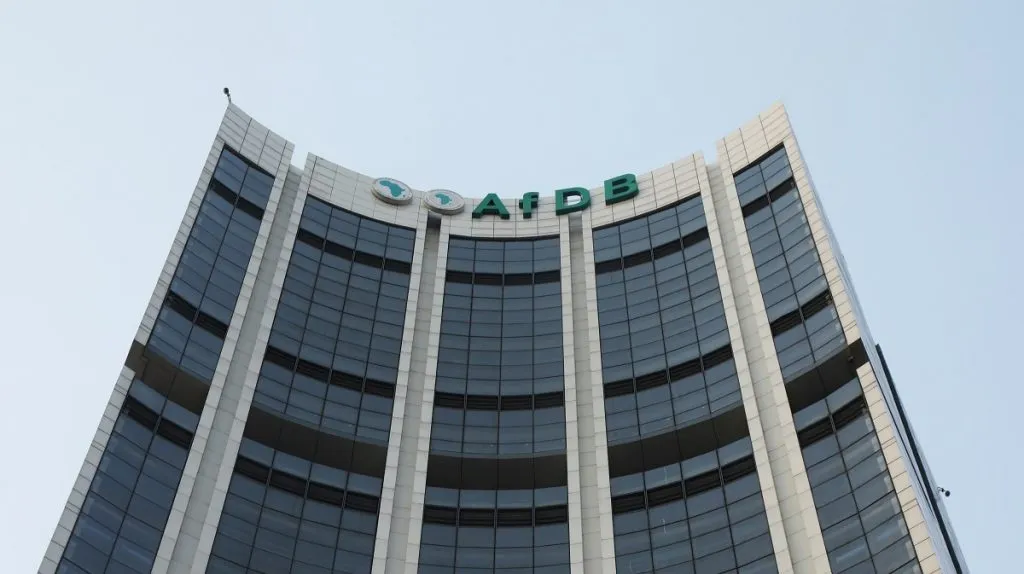
The African Development Bank Group’s Board of Directors has approved a $16.5 million loan in November 2025 to support the development of the 35 megawatt OrPower Twenty-Two (OTTL) Geothermal Power Plant, marking a pivotal advancement in Kenya’s clean energy transition and reinforcing the country’s position as Africa’s geothermal energy leader. The flagship renewable energy project is designed to strengthen Kenya’s baseload power generation capacity while delivering some of the lowest electricity tariffs in the country, demonstrating the economic and environmental viability of public-private collaboration in geothermal development.
The project is being developed by OrPower Twenty-Two Limited, an Independent Power Producer operating in the Menengai geothermal field, located just north of Nakuru Town approximately 180 kilometers northwest of Nairobi. The Menengai Caldera, sitting at the heart of Kenya’s Rift Valley, has emerged as a critical hub for geothermal energy production, leveraging the region’s exceptional geological conditions to tap into vast underground steam reservoirs that can provide reliable, climate-resilient baseload power.
Build the future you deserve. Get started with our top-tier Online courses: ACCA, HESI A2, ATI TEAS 7, HESI EXIT, NCLEX-RN, NCLEX-PN, and Financial Literacy. Let Serrari Ed guide your path to success. Enroll today.
Strategic Position Within Menengai’s Three-Plant Development
The OrPower Twenty-Two facility will become the third power plant in the Menengai geothermal field, complementing the operational 35 MW Sosian Menengai Geothermal Power Plant and the 35 MW Globeleq Menengai Geothermal Project, which is currently under construction with separate African Development Bank financing. Together, these three modular plants will unlock the full 105 megawatt potential of the first development phase of the Menengai geothermal field, representing a coordinated approach to resource exploitation that maximizes efficiency while distributing financial and operational risks across multiple independent operators.
The Menengai geothermal field itself was developed using earlier financing of $145 million provided by the African Development Bank to the Geothermal Development Company (GDC), underscoring the Bank’s sustained, long-term commitment to geothermal energy development in Kenya. This multi-phase financing strategy has enabled systematic development of geothermal resources from initial exploration and drilling through to commercial power generation, creating a replicable model that Kenya can apply to other promising geothermal prospects across its extensive Rift Valley corridor.
GDC, a state-owned entity established in 2008, is responsible for drilling, producing, and supplying high-quality steam to the OrPower Twenty-Two plant under a Project Implementation and Steam Supply Agreement (PISSA). This innovative business model separates the capital-intensive, high-risk upstream activities of geothermal resource development from the downstream power generation business, allowing the government to absorb exploration and drilling risks while enabling private sector operators to focus on efficient power plant construction and operation.
The company has successfully drilled a total of 53 wells with a combined potential of 169 megawatts at Menengai by 2023, providing the steam foundation necessary to support the three independent power plants. GDC’s steam sales model creates stable, long-term revenue streams that allow the company to monetize its substantial upfront investments in drilling and field development while reinvesting proceeds into expanding geothermal development across other prospects in Kenya’s geothermal portfolio.
Kenya Power and Lighting Company (KPLC), also government-owned, will serve as the sole off-taker under a 25-year Power Purchase Agreement (PPA), ensuring long-term revenue stability for OrPower Twenty-Two Limited and its financial backers. This tri-partite arrangement among GDC (steam supplier), OTTL (power generator), and KPLC (electricity off-taker) creates a comprehensive value chain with clearly defined roles, responsibilities, and revenue streams that provide bankability for project financing while ensuring reliable electricity supply to Kenya’s national grid.
Economic and Environmental Benefits
Beyond expanding installed generation capacity, the OrPower Twenty-Two project is expected to deliver affordable and sustainable baseload electricity to Kenya’s national grid at one of the lowest tariffs in the country. This competitive pricing stems from geothermal energy’s fundamental economics—once capital costs for drilling and plant construction are recovered, operating expenses remain relatively low and stable compared to fossil fuel alternatives whose costs fluctuate with global commodity markets. The resulting tariff structure will help reduce overall electricity costs for Kenyan consumers and industries, improving affordability and competitiveness.
Once fully operational, the plant is expected to generate approximately 301 gigawatt-hours of clean, reliable electricity annually. Geothermal power’s 24/7 availability provides critical baseload stability that complements variable renewable sources like wind and solar, which experience daily and seasonal fluctuations in output. This baseload characteristic makes geothermal energy particularly valuable for grid stability as Kenya continues expanding its renewable energy portfolio toward its target of 100 percent clean power generation by 2030.
The project will also play a critical role in diversifying Kenya’s energy mix and reducing dependence on costly diesel-fired power generation, which has historically served as backup capacity during periods of low hydropower availability caused by drought conditions. Diesel generation carries both economic penalties through high fuel costs and environmental burdens through greenhouse gas emissions and air pollution, making geothermal substitution doubly beneficial from financial and ecological perspectives.
The geothermal plant is expected to deliver substantial climate benefits, including greenhouse gas emission avoidance of 1.9 million tonnes over the 25-year duration of the Power Purchase Agreement. This emission reduction contribution aligns with Kenya’s nationally determined contributions under the Paris Agreement and supports the country’s broader climate change mitigation objectives while providing concrete evidence of the climate finance value delivered through development bank lending to renewable energy infrastructure.
Public-Private Partnership Model and Institutional Framework
Wale Shonibare, Director of the Bank’s Energy Financial Solutions, Policy, and Regulations Department, emphasized that “The Menengai model demonstrates the power of public-private collaboration”, where government-led resource development unlocks private investment in geothermal generation, delivering mutual benefits for both public and private sector participants. Under this framework, GDC secures stable revenues from steam sales, allowing it to monetize its significant investment in Menengai and reinvest proceeds in expanding geothermal development nationwide, while private sector operators drive efficient power generation through competitive procurement and performance-based contracts.
The public-private partnership structure addresses several market failures that have historically constrained geothermal development in Kenya and other emerging markets. Geothermal resource exploration and drilling involves substantial upfront capital requirements and significant geological uncertainty, creating risk-return profiles that often exceed private sector appetites, particularly in developing country contexts where project finance markets remain relatively underdeveloped. By having the government shoulder these upstream risks through GDC’s activities, Kenya removes a major barrier to private investment while retaining public ownership of the underlying geothermal resource.
Simultaneously, private sector involvement in power plant construction and operation brings efficiency, technical expertise, and access to international capital markets that complement government capabilities. Independent Power Producers like OTTL can leverage global supply chains, proven technologies, and operational best practices developed across international geothermal markets, while their commercial orientation creates incentives for cost control, on-time delivery, and reliable long-term performance that may be more difficult to achieve through purely public sector implementation.
The competitive selection process used to award contracts to the three Menengai Independent Power Producers—QPEA GT Menengai Limited (Globeleq), Sosian Menengai Geothermal Power Limited, and OrPower Twenty-Two Limited—ensures that Kenya obtains competitive pricing and qualified operators while maintaining transparency and fairness in project allocation. This approach stands in contrast to sole-source or negotiated procurement that can lead to inflated costs, suboptimal technical solutions, or corruption concerns.
OTTL Director Qi Jingwen highlighted the company’s technological contribution, stating: “We are honoured to be constructing the OrPower Menengai Geothermal Power Plant using independently developed, fully proprietary next-generation geothermal power technology”, thereby fulfilling the corporate mission of ‘contributing to saving the planet.’ He added that support by international financial institutions like the African Development Bank and International Finance Corporation enables deeper participation in the development of new green energy in Africa, creating opportunities for technology transfer and capacity building that extend beyond individual project boundaries.
Alignment With National Energy Strategies and International Initiatives
The OrPower Twenty-Two project directly supports Pillar I of Kenya’s Mission 300 Energy Compact, a comprehensive framework developed in alignment with continental and global energy access initiatives. Mission 300 represents Kenya’s commitment to transformative energy sector development that will lift millions out of energy poverty, unlock economic opportunities, and drive socio-economic growth through universal access to electricity and clean cooking by 2030.
The project aligns with Kenya’s goal of increasing installed geothermal capacity from 940 MW to 1,824 MW by 2030, nearly doubling current capacity over the next five years through accelerated development of proven geothermal prospects and continued exploration of frontier areas. This ambitious target reflects both the substantial geothermal potential remaining in Kenya’s Rift Valley—with total estimated resources exceeding 10,000 megawatts—and the demonstrated viability of geothermal power as an economically competitive, environmentally sustainable energy source.
Kenya’s broader energy strategy, articulated in Vision 2030 and subsequent policy documents including the Energy Act of 2019, positions geothermal energy as a cornerstone of the country’s transition to 100 percent clean electricity generation. As of 2024, geothermal energy accounts for approximately 47 percent of Kenya’s total electricity generation, making it the single largest source in the country’s renewable energy mix and establishing Kenya as the leading geothermal power producer in Africa.
With 985 MW of installed capacity as of 2024, Kenya ranks sixth globally among geothermal-producing nations, approaching the threshold to join the exclusive “1 GW Geothermal Countries Club” alongside established leaders like the United States, Indonesia, Philippines, Turkey, and New Zealand. The OrPower Twenty-Two project and its sister developments at Menengai represent important steps toward crossing that symbolic milestone while establishing Kenya as a recognized center of excellence for geothermal development in the developing world.
The country’s geothermal ambitions extend well beyond current development plans. Kenya’s National Energy Compact outlines targets for increasing renewable power generation to 6,260 MW by 2030, with geothermal contributing 1,800 MW alongside 2,060 MW of hydro, 965 MW of wind, 577 MW of solar, 133 MW of cogeneration, and 400 MW of imports. This diversified renewable portfolio will drive Kenya’s transition from 82 percent to 100 percent clean electricity while providing the flexibility and resilience needed to manage an increasingly complex power system.
Financing Structure and Development Partners
The African Development Bank’s $16.5 million financing complements additional funding expected from the International Finance Corporation (IFC), bringing total project debt financing to $64.4 million against an estimated total project cost of $91.9 million. This blended finance structure combining multiple development finance institutions creates several advantages: it distributes risk across institutions with complementary mandates and expertise, provides validation of project viability through independent due diligence by multiple sophisticated lenders, and mobilizes larger total financing volumes than any single institution could comfortably provide.
The approximately 70 percent debt-to-total cost ratio reflects typical leverage levels for infrastructure projects in emerging markets, balancing the benefits of debt financing (lower cost of capital, tax advantages) against the need for adequate equity cushions to absorb construction and operating risks. OrPower Twenty-Two Limited and its equity investors will contribute the remaining $27.5 million through equity investment, aligning their interests with project success through meaningful skin-in-the-game while demonstrating commercial confidence in the project’s economics.
The African Development Bank has been a consistent and substantial supporter of geothermal development in Kenya across multiple decades and successive administrations. Beyond the current OrPower Twenty-Two financing and the parallel Globeleq Menengai project support, the Bank previously provided $108 million in funding for the broader Menengai Geothermal Development Project that enabled GDC to conduct the exploration drilling and field development activities that proved the resource and created the foundation for private sector power plant investments.
The Bank’s sustained engagement reflects its strategic priorities around climate finance, renewable energy, and energy access in Africa. Geothermal projects offer particularly attractive climate mitigation profiles with their near-zero greenhouse gas emissions, baseload operating characteristics, and displacement of fossil fuel alternatives. They also align with the Bank’s High 5 development priorities, specifically “Light Up and Power Africa,” which aims to achieve universal access to energy across the continent through accelerated deployment of renewable generation, grid infrastructure, and off-grid solutions.
One decision can change your entire career. Take that step with our Online courses in ACCA, HESI A2, ATI TEAS 7, HESI EXIT, NCLEX-RN, NCLEX-PN, and Financial Literacy. Join Serrari Ed and start building your brighter future today.
Technological Innovation and Operational Considerations
OrPower Twenty-Two Limited’s deployment of proprietary, next-generation geothermal power technology represents an opportunity for technology transfer and demonstration of advanced approaches to geothermal power generation. While specific technical details of OTTL’s technology have not been publicly disclosed, modern geothermal power plants typically incorporate innovations in turbine efficiency, binary cycle configurations for moderate-temperature resources, modular construction methodologies, and digital monitoring and control systems that optimize performance and reliability.
The 35 megawatt capacity sizing for each of the three Menengai plants reflects optimization across several technical and commercial considerations. Modular development in 35 MW increments allows phased investment that can respond to actual steam field performance and electricity demand growth, reduces concentration risk compared to single large-plant configurations, and aligns plant capacity with available steam supplies from discrete well clusters. This approach also facilitates parallel construction by multiple contractors, accelerating overall field development compared to sequential large-plant construction.
Geothermal power generation operates on fundamentally different principles than fossil fuel or most renewable technologies. High-pressure steam extracted from underground reservoirs drives turbines that generate electricity, with residual steam either condensed and reinjected to maintain reservoir pressure or released to the atmosphere in flash steam configurations. The continuous availability of geothermal steam enables 24/7 baseload operation with capacity factors typically exceeding 90 percent, far superior to solar (15-25 percent) or wind (25-45 percent) alternatives.
The Menengai resource’s characteristics—including steam temperature, pressure, chemistry, and non-condensable gas content—determine optimal power plant design configurations and influence long-term operating costs and performance. Kenya’s Rift Valley geothermal resources generally feature high-enthalpy steam suitable for direct flash steam power generation, the most efficient and economical technology for high-temperature geothermal resources, though binary cycle alternatives may be employed for lower-temperature sections of geothermal fields.
Socioeconomic Impacts and Community Engagement
When fully operational, the complete Menengai geothermal complex will provide clean, affordable, and sustainable energy to half a million Kenyan households, including 70,000 in rural areas, along with powering 300,000 small businesses and industrial facilities. This scale of impact extends far beyond simple electricity statistics, touching millions of Kenyan lives through improved lighting for evening study and productive activities, refrigeration for food preservation and vaccine storage, communications through mobile phone charging and internet connectivity, and industrial productivity through reliable power for manufacturing and service enterprises.
The economic multiplier effects of expanded electricity access are well-documented in development economics literature. Reliable, affordable electricity enables mechanization of agriculture and small-scale industry, extends operating hours for businesses, attracts formal sector investment, and creates employment opportunities both directly in electricity sector operations and indirectly through downstream economic activities that electricity makes possible. For rural households particularly, electricity access often represents a transformative development that improves education outcomes, health conditions, and income-generating opportunities.
However, geothermal development also brings challenges and concerns that require careful management through robust environmental and social frameworks. Communities near the Menengai project have raised concerns about noise pollution during drilling operations, air quality impacts from well testing and steam releases, adequate compensation for land use, employment opportunities for local residents, and meaningful participation in project decision-making processes. These concerns reflect legitimate stakeholder interests that responsible project developers must address through comprehensive environmental and social impact assessments, ongoing community engagement, benefit-sharing mechanisms, and grievance resolution procedures.
GDC has implemented various community development initiatives including direct-use pilot projects at Menengai such as a geothermal-powered dairy unit, laundromat, fish pond, and greenhouse, demonstrating alternative applications of geothermal resources beyond electricity generation. These projects create additional livelihood opportunities while building local support for geothermal development through tangible community benefits. GDC also supports educational institutions, water supply systems, and cultural preservation activities in communities hosting geothermal operations.
The company channels approximately 15 percent of total project revenues to benefit communities in resource areas, creating direct financial flows that support local development priorities. However, ongoing dialogue remains essential to ensure that benefit-sharing mechanisms address community priorities effectively and that environmental and social management systems operate robustly throughout project lifecycles from construction through decades of operation.
Challenges and Risk Mitigation Strategies
Despite geothermal energy’s compelling advantages, development faces several technical, financial, and institutional challenges that must be carefully managed. Geological uncertainty during exploration creates risk that drilling campaigns may encounter insufficient steam, unsuitable chemistry, or inadequate reservoir characteristics to support commercial power generation. While the Menengai field has been extensively characterized through GDC’s drilling program, uncertainties remain regarding long-term reservoir performance under sustained steam extraction.
Construction risks including equipment delivery delays, contractor performance issues, and cost overruns can delay project completion and increase capital requirements. The specialized nature of geothermal equipment—particularly steam turbines and production/injection well systems—limits supplier options and can create procurement challenges. Global supply chain disruptions, currency fluctuations affecting imported equipment costs, and labor availability all influence construction timelines and budgets.
Operational challenges include managing reservoir behavior over decades of production, controlling corrosion and scaling in wells and surface facilities caused by geothermal fluid chemistry, maintaining steam turbine performance and reliability, and responding to unexpected technical issues that arise during plant operation. While geothermal plants typically achieve high availability and capacity factors, maintaining these performance levels requires skilled operations and maintenance teams, adequate spare parts inventories, and effective asset management systems.
Power purchase agreement risks arise from potential disputes over tariff interpretation, performance standards, steam quality specifications, or force majeure events. The 25-year contractual relationship among GDC, OTTL, and KPLC must endure through changing political, regulatory, and economic conditions, requiring robust contract administration and dispute resolution mechanisms.
Kenya Power and Lighting Company’s financial health and operational performance directly affect project cash flows and risk profiles. As the monopoly buyer of OrPower Twenty-Two’s electricity output, KPLC’s ability to pay for purchased power depends on its own collections from consumers, operational efficiency, and financial management. Recent years have seen challenges including high technical and commercial losses, collection difficulties, and financial strains that have occasionally resulted in payment delays to independent power producers.
Regulatory and policy stability provides essential foundation for long-term infrastructure investments. While Kenya’s Energy Act of 2019 and implementing regulations create generally supportive frameworks for renewable energy development, policy changes—particularly around tariff structures, renewable energy targets, or power sector organization—can affect project economics and investor confidence. Maintaining consistent, predictable regulatory environments across political transitions remains an ongoing governance challenge.
Broader Geothermal Development Context in Kenya
The OrPower Twenty-Two project represents one element within Kenya’s comprehensive geothermal development strategy encompassing multiple fields at varying development stages. Beyond Menengai, GDC is actively developing geothermal resources at Olkaria (Kenya’s oldest and largest geothermal field with over 800 MW installed capacity), the Baringo-Silali-Paka complex in northern Kenya (with potential exceeding 300 MW in initial phases), and conducting exploration in frontier areas including Suswa, Longonot, and Lake Magadi.
The Baringo-Silali-Paka project targets initial development of 300 megawatts across three prospect areas—Paka, Silale, and Korosi—each expected to generate more than 100 MW. GDC has drilled exploration and appraisal wells demonstrating steam capacity of approximately 70 MW at Paka alone, with full-scale production drilling awaiting infrastructure development including water supply systems, road networks, and transmission connections to evacuate power to the national grid.
Olkaria continues to anchor Kenya’s geothermal portfolio with five distinct power plant complexes (Olkaria I through V) operated by Kenya Electricity Generating Company (KenGen), the country’s dominant power generator. Ongoing development at Olkaria includes well rehabilitation to restore production from older wells, additional drilling to access deeper or peripheral reservoir zones, and potential expansion of generation capacity through debottlenecking of existing facilities or construction of additional plants.
Kenya’s geothermal development benefits from world-class training and capacity building infrastructure including the Geothermal Training and Research Institute established with support from Iceland and other international partners. This facility provides specialized education for engineers, geoscientists, and technicians across Eastern Africa, building regional expertise that supports sustainable geothermal sector growth while positioning Kenya as a knowledge hub exporting technical services to neighboring countries pursuing their own geothermal development.
Regional and Global Significance
Kenya’s geothermal success story has important implications extending beyond national boundaries. As Africa’s undisputed geothermal leader, Kenya demonstrates that developing countries can successfully harness sophisticated energy technologies at commercial scale, providing models and inspiration for other nations along the East African Rift System including Ethiopia, Djibouti, Tanzania, Uganda, and Rwanda, all of which possess substantial geothermal potential.
Ethiopia has begun developing geothermal resources with production currently modest but aspirations substantial given estimated potential exceeding 10,000 MW. Djibouti, sitting at the junction of three tectonic plates, has exceptional high-temperature geothermal resources that remain largely untapped. Tanzania’s Rift Valley extension hosts multiple geothermal prospects under varying stages of exploration. Kenya’s accumulated experience, technical expertise, and proven institutional frameworks provide valuable reference points for these emerging geothermal markets.
Beyond Eastern Africa, Kenya’s achievements contribute to global demonstrations that geothermal energy can play meaningful roles in electricity systems of developing countries, complementing similar developments in countries like Indonesia, Philippines, and Latin American nations including Mexico, Costa Rica, and El Salvador. The public-private partnership models, innovative financing structures, and technical approaches pioneered in Kenya offer potential templates adaptable to other contexts with appropriate modifications for local conditions.
International development finance institutions’ consistent support for Kenyan geothermal development—including not only the African Development Bank but also the World Bank Group, European Investment Bank, and bilateral development agencies—reflects recognition that geothermal provides exceptionally favorable climate finance profiles. With near-zero operating emissions, displacement of fossil fuel alternatives, and inherent energy security benefits from domestic resource utilization, geothermal projects generate substantial climate mitigation value per dollar invested while supporting sustainable development objectives.
Looking Forward: Opportunities and Outlook
Successful completion and operation of the OrPower Twenty-Two plant alongside its Menengai sister projects will provide important validation of Kenya’s geothermal development model while demonstrating continuing investor appetite for well-structured renewable energy projects in East Africa. Positive experiences at Menengai should facilitate replication at other Kenyan geothermal prospects and potentially catalyze similar public-private partnership approaches in neighboring countries.
The path toward Kenya’s 1,824 MW geothermal capacity target by 2030 requires sustained political commitment, continued financial sector support, ongoing institutional capacity strengthening, and resolution of challenges around land acquisition, environmental and social management, and power sector reform. Achievement of this target would represent nearly doubling current capacity in approximately five years—an ambitious but potentially feasible goal given Kenya’s demonstrated development capabilities and substantial remaining geothermal potential.
Beyond 2030, Kenya’s ultimate geothermal ambitions contemplate harnessing significant portions of the estimated 7,000-10,000 MW total potential, which would position geothermal as the dominant electricity source and potentially create export opportunities to regional neighbors through planned Eastern Africa Power Pool interconnections. Such scale would enable Kenya to achieve genuine energy independence while establishing a competitive advantage in energy-intensive industries seeking reliable, clean, low-cost power.
The OrPower Twenty-Two project, while individually representing just 35 megawatts of capacity, embodies broader transformations in how developing countries approach energy system development, climate change mitigation, and sustainable economic growth. Its successful delivery will contribute not only to lighting Kenyan homes and businesses but also to demonstrating pathways that other nations can follow toward clean energy futures built on indigenous resources, innovative partnerships, and sustained development commitments.
Ready to take your career to the next level? Join our Online courses: ACCA, HESI A2, ATI TEAS 7 , HESI EXIT , NCLEX – RN and NCLEX – PN, Financial Literacy!🌟 Dive into a world of opportunities and empower yourself for success. Explore more at Serrari Ed and start your exciting journey today! ✨
Track GDP, Inflation and Central Bank rates for top African markets with Serrari’s comparator tool.
See today’s Treasury bonds and Money market funds movement across financial service providers in Kenya, using Serrari’s comparator tools.
photo source: Google
By: Montel Kamau
Serrari Financial Analyst
26th January, 2026