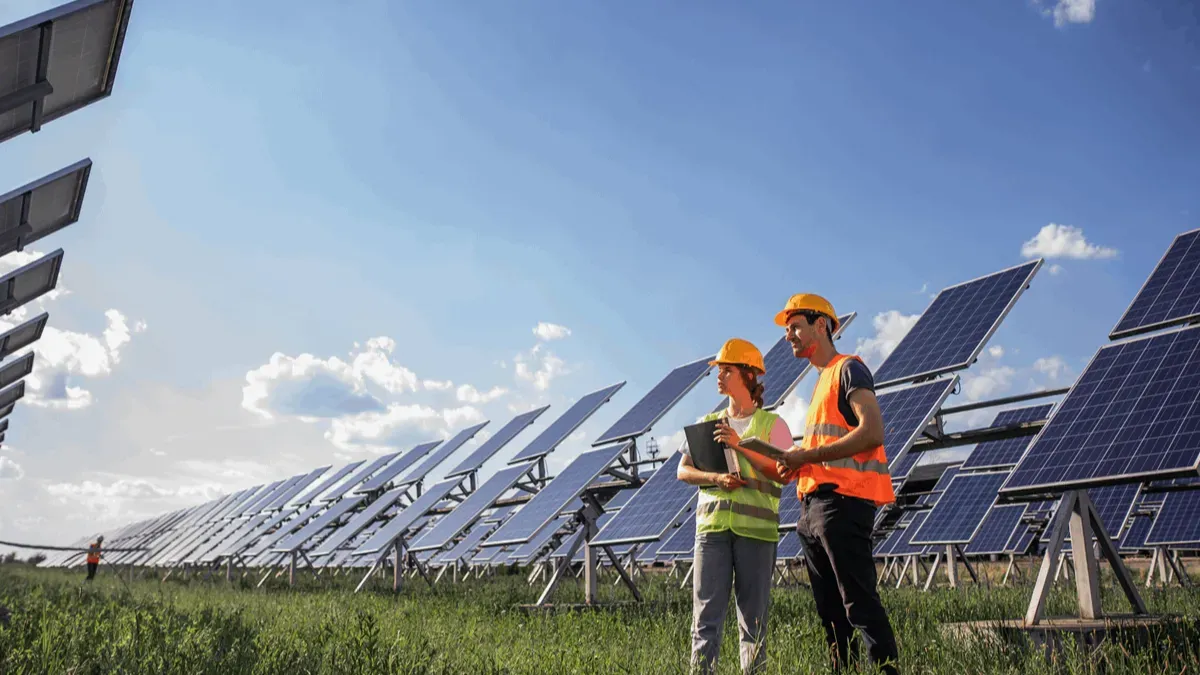
The United Nations Economic and Social Commission for Asia and the Pacific will provide policy advisory and technical assistance to Pakistan to support development of its Energy Transition Investment Plan, marking a critical step in the nation’s efforts to shift from imported fossil fuels toward sustainable energy sources while addressing mounting economic pressures.
According to officials, a scoping mission from UN ESCAP recently visited Pakistan at the government’s request and held extensive consultations with relevant ministries and development partners. The discussions focused on understanding Pakistan’s needs, challenges, and opportunities related to energy transition financing while identifying practical entry points for building a credible and bankable investment plan capable of attracting international capital.
The collaboration comes as Pakistan’s energy transition has become increasingly critical for economic resilience, climate commitments, and fiscal stability. Heavy reliance on imported fossil fuels, combined with a circular debt crisis exceeding Rs 2.6 trillion, has underscored the urgency of accelerating the shift toward renewable energy sources to meet growing electricity demand by 2030 while reducing vulnerability to global commodity price fluctuations.
UN ESCAP noted that while energy transition represents an essential strategic priority, progress remains constrained by policy inconsistencies, continued dependence on imported oil and liquefied natural gas, and limited access to concessional financing mechanisms. These structural factors have slowed the scale-up of renewable energy projects and hindered investment flows into Pakistan’s clean energy sector despite substantial untapped potential.
Build the future you deserve. Get started with our top-tier Online courses: ACCA, HESI A2, ATI TEAS 7, HESI EXIT, NCLEX-RN, NCLEX-PN, and Financial Literacy. Let Serrari Ed guide your path to success. Enroll today.
Comprehensive Investment Plan Targets Multiple Financing Streams
To address these critical gaps, the Energy Transition Investment Plan is expected to focus on attracting green foreign direct investment and promoting blended finance structures that strategically combine public resources and philanthropic capital to unlock substantially larger private sector investment. This financing architecture recognizes that public sector resources alone cannot meet the enormous capital requirements for comprehensive energy system transformation.
Concessional financing mechanisms, including low-interest loans and risk guarantees, have been identified as key requirements to make renewable energy projects commercially viable, particularly in underserved rural and remote areas where grid infrastructure remains underdeveloped and upfront capital costs deter purely commercial investment.
The UN body highlighted the need to build upon and expand existing innovative financing initiatives including Green Eurobonds that tap international capital markets, Panda Bonds issued in Chinese markets, and Green Sukuk that comply with Islamic finance principles while funding environmentally beneficial projects. Pay-as-you-go business models enabling distributed solar adoption through affordable installment payments can widen the investor base while accelerating rural electrification.
Greater analytical attention is also required on how financing mechanisms support grid modernization efforts, which remain central to addressing Pakistan’s circular debt challenge and enabling integration of distributed solar generation and battery storage systems into the national electricity grid. Without substantial grid infrastructure upgrades, renewable energy potential cannot be fully realized even if project financing becomes available.
ESCAP’s Proven Track Record in Regional Energy Transition Support
UN ESCAP indicated readiness to support Pakistan through its Financing Energy Transition programme, which has already provided targeted technical assistance to countries including Indonesia, the Philippines, and Vietnam facing similar challenges in mobilizing capital for renewable energy deployment while managing complex energy sector reforms.
The programme has produced analytical studies identifying critical gaps in energy transition finance architecture, alongside capacity building initiatives and regional policy dialogues that enable knowledge sharing and peer learning across Asia-Pacific nations pursuing clean energy transitions under diverse national circumstances.
Through its demonstrated expertise in integrated energy planning, scenario analysis modeling, and institutional capacity development, UN ESCAP stated it could help Pakistan strengthen its national energy mix optimization, improve industrial competitiveness through reliable affordable power, and advance progress toward net zero emissions targets while effectively leveraging financial instruments including green bonds and carbon market mechanisms.
Pakistan’s power generation sector remains dominated by imported oil, LNG, and coal, posing ongoing challenges to fiscal sustainability and energy security that create macroeconomic vulnerabilities to global commodity price volatility. Officials believe the Energy Transition Investment Plan, supported by UN ESCAP technical assistance, could play a central transformative role in comprehensively reshaping the sector while unlocking long-term, sustainable financing solutions.
Circular Debt Crisis Threatens Energy Sector Viability
Pakistan’s energy sector faces an existential financial crisis as circular debt—accumulated liabilities arising from subsidized tariffs, transmission losses, theft, and payment defaults—has ballooned beyond Rs 2.6 trillion. This unsustainable debt burden constrains power distribution companies’ ability to pay generation companies, which in turn struggle to pay fuel suppliers, creating a vicious cycle undermining sector financial viability.
The circular debt crisis stems from multiple structural failures including artificially low consumer tariffs that fail to cover generation costs, technical and commercial losses in distribution networks exceeding 15-20%, widespread electricity theft particularly in rural areas, and delayed tariff adjustments that create revenue shortfalls when fuel prices rise. Additionally, the government’s fiscal constraints limit its capacity to provide direct subsidies compensating for below-cost tariffs.
Renewable energy development offers a pathway to mitigate circular debt growth by reducing exposure to volatile imported fuel costs, eliminating fuel purchase payment obligations for solar and wind generation, and enabling distributed generation that reduces transmission and distribution losses. However, realizing these benefits requires coordinated reforms addressing tariff structures, governance accountability, and grid infrastructure alongside renewable energy deployment.
Grid Infrastructure Emerges as Critical Bottleneck
A separate UN ESCAP report released in November 2025 warned that Pakistan’s weak grid infrastructure remains a major obstacle preventing the country from fully leveraging its abundant solar and wind potential to transition toward affordable, carbon-free electricity generation.
According to the 2025 Review of Climate Ambition in Asia and the Pacific, Pakistan needs significant investment and coordination to upgrade and expand its grid network to integrate large-scale renewable energy while maintaining system stability and reliability. The existing transmission and distribution infrastructure was designed primarily for centralized thermal generation rather than distributed, variable renewable energy sources requiring sophisticated grid management.
Grid modernization requirements include strengthening transmission capacity to evacuate power from renewable energy zones, deploying smart grid technologies enabling demand response and distributed generation integration, installing battery storage systems providing grid stability and peak demand management, and upgrading distribution networks reducing technical losses while accommodating two-way power flows from rooftop solar installations.
The report emphasized that successful coal phase-down will require a comprehensive energy transition plan with clear targets, strong supportive policies, and engagement of all stakeholders including power generation companies, distribution utilities, regulatory authorities, and consumer representatives. Long-term policy stability, adequate financial support, and institutional reforms encouraging private renewable energy investment remain essential enablers.
One decision can change your entire career. Take that step with our Online courses in ACCA, HESI A2, ATI TEAS 7, HESI EXIT, NCLEX-RN, NCLEX-PN, and Financial Literacy. Join Serrari Ed and start building your brighter future today.
Renewable Energy Potential Vastly Exceeds Current Deployment
Pakistan possesses enormous untapped renewable energy potential that could fundamentally transform its energy security and economic competitiveness if mobilized effectively. Government projections indicate that on the coastal belts of Sindh and Balochistan provinces alone, there exists potential to produce 50,000 MW of wind power, compared to the current 1,845 MW being generated across 36 private wind farms—representing less than 4% of technical potential.
Similarly, Pakistan currently operates seven solar projects totaling 530 MW capacity, whereas the country’s solar generation potential reaches approximately 40,000 MW based on available land area and insolation levels. This massive gap between potential and deployment reflects structural barriers including high upfront capital costs for solar installations, elevated tariffs on construction materials and imported solar panels, bureaucratic delays in government approvals and grid connection permits, and limited access to affordable project financing.
Energy sector experts and economists emphasize that financial obstacles represent the primary constraint stymying renewable project development. These include the high cost of initial capital investment in solar and wind infrastructure, limited availability of long-tenor financing matching project lifespans, perceived regulatory and payment risks deterring private investors, and insufficient concessional finance offsetting commercial risk premiums.
Independent Power Producers Model Contributes to Crisis
Pakistan’s energy sector challenges have been exacerbated by the legacy Independent Power Producer model established in the 1990s when the government privatized electricity generation to attract private investment. While initially successful in expanding generation capacity, the IPP framework created perverse incentives and structural problems that now constrain the energy transition.
Independent Power Producers benefit from “take-or-pay” purchase power agreements obligating the government to make capacity payments regardless of actual electricity generation or consumption. This arrangement, combined with power generation relying heavily on imported fossil fuels, has created an economic chokehold contributing to the $9.36 billion circular debt due to poor policy planning and structural inefficiencies.
The government recently severed some longstanding contracts with IPPs in efforts to tackle expensive electricity costs and reduce fiscal burdens. However, unwinding complex long-term contracts while ensuring energy security and avoiding legal disputes requires carefully sequenced reforms that the Energy Transition Investment Plan can help structure.
According to World Bank analysis, Pakistan maintains the highest energy product subsidies in South Asia, with energy subsidies comprising approximately 2.6% of GDP in fiscal year 2020. These subsidies create market distortions that discourage energy efficiency and renewable energy adoption while consuming scarce fiscal resources that could support productive investments.
International Funding Mechanisms Show Mixed Results
Pakistan has historically asserted it would require up to $40 billion in international grants and concessional financing to accomplish its emissions reduction commitments and realize renewable energy deployment goals. However, international funding mechanisms established to support developing country climate action have demonstrated mixed results in delivering promised resources.
The Green Climate Fund, founded in 2010 with ambitions for a $16 billion portfolio, has struggled to mobilize committed resources as wealthy industrialized nations failed to deliver pledged contributions. Similarly, the Loss and Damage Fund agreed at COP27 in 2022, which pledged $661 million in financial assistance to developing nations facing climate impacts, has not yet distributed funds despite the pressing needs.
These disappointing experiences underscore the importance of developing credible, bankable investment plans that can attract diverse financing sources beyond traditional development assistance. The Energy Transition Investment Plan supported by UN ESCAP aims to create such a framework by combining rigorous technical analysis, clear policy commitments, and innovative financing structures that de-risk investments and attract commercial capital alongside public resources.
Strategic Energy Transition and Investment Plan Initiative
In March 2025, Pakistan informed the Sustainable Energy for All Global Forum of its intention to develop an Energy Transition and Investment Plan as a strategic initiative aimed at accelerating the country’s shift toward clean, affordable, and sustainable energy systems. This comprehensive framework would serve as a roadmap toward a sustainable, secure, and inclusive energy future addressing four broad priority areas.
The ETIP is designed to address major challenges Pakistan faces in its renewable energy transition while sustaining existing infrastructure, investing in latest technologies, and providing affordable energy to consumers. One critical challenge involves reducing the country’s $15 billion annual energy import bill, which funds mobility, heating and cooling systems, cooking, and agricultural energy needs—reductions impossible without a major shift toward domestically-produced clean energy.
The UN Resident Coordinator’s Office in Pakistan played a key supporting role in this initiative, ensuring alignment with global best practices and facilitating international collaboration on energy transition planning. This coordination reflects recognition that Pakistan’s energy challenges require both domestic reform and international partnership to achieve transformation at the necessary scale and pace.
Asia-Pacific Regional Context
Pakistan’s energy transition unfolds within a broader Asia-Pacific regional context where countries face similar tensions between economic development, energy access, and climate commitments. The region accounted for 70% of new renewable energy capacity additions in 2024, demonstrating technological and financial capability for clean energy deployment at scale.
However, the Asia-Pacific also remains heavily reliant on coal, producing 84% of the world’s coal-fired power in 2024 and consuming 81.7% of global coal output in 2023. This dependence creates significant decarbonization challenges requiring strong political commitment, removal of fossil fuel subsidies, and coordinated policy frameworks supporting renewable energy growth and energy efficiency improvements.
UN ESCAP emphasizes that phasing down coal while ensuring energy access and economic development requires careful planning, just transition measures protecting affected workers and communities, and substantial financing supporting both renewable energy deployment and coal asset retirement or repurposing.
Path Forward Requires Coordinated Action
Successfully implementing Pakistan’s Energy Transition Investment Plan will require coordinated action across multiple dimensions. Policy consistency and long-term stability must replace the frequent regulatory changes and policy reversals that have deterred long-term investments. Institutional reforms strengthening governance, reducing corruption, and improving regulatory predictability can enhance investor confidence.
Financial sector development enabling green finance, including specialized lending products for renewable energy, green bond issuance, and carbon market participation, can mobilize domestic capital alongside international resources. Technical capacity building across government agencies, utilities, and private sector participants will support effective project development and implementation.
International partnerships through mechanisms like the UN ESCAP technical assistance can transfer knowledge, provide analytical support, and connect Pakistan with global best practices while tailoring approaches to national circumstances. The combination of domestic reform commitment and international support offers the most promising pathway toward achieving Pakistan’s energy transition objectives while addressing pressing economic and fiscal challenges.
Ready to take your career to the next level? Join our Online courses: ACCA, HESI A2, ATI TEAS 7 , HESI EXIT , NCLEX – RN and NCLEX – PN, Financial Literacy!🌟 Dive into a world of opportunities and empower yourself for success. Explore more at Serrari Ed and start your exciting journey today! ✨
Track GDP, Inflation and Central Bank rates for top African markets with Serrari’s comparator tool.
See today’s Treasury bonds and Money market funds movement across financial service providers in Kenya, using Serrari’s comparator tools.
photo source: Google
By: Montel Kamau
Serrari Financial Analyst
12th January, 2026