South Korea has announced an ambitious roadmap to transform its financial markets, with plans to introduce round-the-clock foreign exchange trading starting in July 2026 as part of a comprehensive strategy to achieve developed-market classification from Morgan Stanley Capital International. The announcement, made by Vice Finance Minister Lee Hyoung-il during the ministry’s biannual economic policy plan presentation, represents the latest chapter in the country’s decades-long quest to overcome the so-called “Korea discount” and join the ranks of the world’s most advanced financial markets.
Build the future you deserve. Get started with our top-tier Online courses: ACCA, HESI A2, ATI TEAS 7, HESI EXIT, NCLEX-RN, NCLEX-PN, and Financial Literacy. Let Serrari Ed guide your path to success. Enroll today.
Historical Context: From Crisis to Reform
The announcement marks a watershed moment for Asia’s fourth-largest economy, which has maintained restrictive currency controls since experiencing severe capital flight during the Asian Financial Crisis in the late 1990s. During that turbulent period, the Korean won plummeted from around 800 per US dollar to more than 1,700, forcing South Korea to seek emergency assistance from the International Monetary Fund. The crisis exposed deep vulnerabilities in the country’s financial system and prompted authorities to implement strict controls over currency trading that have persisted for nearly three decades.
According to the Finance Ministry, the new measures aim to “dramatically improve the won’s accessibility and increase demand” through offshore won financing and a comprehensive internationalization roadmap. Vice Finance Minister Lee emphasized the government’s commitment, stating: “We will prepare in the first half a roadmap for the internationalisation of the won aimed at dramatically improving the won’s accessibility and increasing demand, such as offshore won financing.”
The 24-Hour Trading Initiative
The centerpiece of South Korea’s reform agenda involves extending foreign exchange market operations to operate continuously, a significant expansion from the current system that closes at 2 a.m. Seoul time. This limited schedule has long been cited by MSCI as a critical impediment to South Korea’s inclusion in its developed markets index, as it restricts trading opportunities for investors based in the United States and other Western markets while providing adequate access only for European traders.
The 24-hour trading framework will mark the second expansion of FX market trading hours within a two-year period. Just two years ago, the dollar-won market operated for merely six-and-a-half hours daily, with direct dollar transactions confined to two domestic interbank networks. The gradual liberalization reflects South Korea’s measured approach to financial market opening, balancing the need for international integration with concerns about market stability and capital flow volatility.
Kim Hi-jae, a ministry official, explained the practical benefits of the expansion: “If domestic brokerage firms operate their intermediation systems around the clock, it will help eliminate trading gaps. It will also be beneficial for foreign investors when converting currencies and for managing FX-related risks.”
Understanding MSCI Classification Framework
The significance of MSCI classification cannot be overstated for South Korea’s financial ambitions. MSCI evaluates equity markets globally using three primary criteria: economic development, size and liquidity requirements, and market accessibility. The market accessibility dimension includes several sub-criteria that have proven particularly challenging for South Korea, including the existence of a developed onshore and offshore foreign exchange market.
Currently, 23 countries and cities are classified as developed markets under MSCI’s framework, while 24 others, including South Korea, Taiwan, China, India, and Mexico, remain categorized as emerging markets. Notably, other major index providers including Dow Jones, S&P, and FTSE have already classified the Korean equity market as developed, making MSCI’s continued emerging market designation particularly frustrating for Seoul policymakers.
An upgrade to developed market status could trigger substantial capital inflows into Korean equities. Analysts estimate that such a reclassification could bring approximately $30 billion into Korean equities as index-tracking funds rebalance their portfolios. The Finance Ministry projects that if the reform measures are implemented effectively, South Korea could be placed on MSCI’s watch list during the annual market classification review scheduled for June 2026, with a potential upgrade decision in June 2027 and tangible benefits flowing into the market by 2028.
Comprehensive Reform Package
Beyond the 24-hour trading initiative, the Finance Ministry has outlined an extensive reform package designed to address MSCI’s concerns comprehensively. These measures include introducing a new system for offshore won trading, loosening reporting requirements, and simplifying the registration process for market participants. The government also plans to facilitate cross-border payment settlements and overseas financing to boost transaction volumes and market depth.
The roadmap includes improvements to short-selling regulations, a requirement for more corporate filings to be released in English, and measures to make securities transactions more accessible to international investors. These changes respond directly to MSCI’s emphasis on timely disclosure of market information in English and the advancement of legal and regulatory frameworks governing financial markets.
September 2025 saw Seoul establish an offshore settlement platform to reduce friction for global investors, with officials emphasizing efforts to ease restrictions on nonresident transactions. These technical improvements aim to address MSCI’s specific concerns about won convertibility in offshore currency markets, which the index provider has repeatedly cited as a key hurdle to developed market inclusion.
The Korea Discount Phenomenon
The reforms are intrinsically linked to addressing what market participants have long termed the “Korea discount” – a persistent undervaluation of Korean equities compared to global peers with similar fundamentals. This phenomenon has multiple causes, including the dominance of family-owned conglomerates with complex shareholding structures, substantial treasury stock holdings, the absence of legal fiduciary duties to minority shareholders, and inadequate shareholder protections.
According to market analysis, almost 69% of companies listed on the KOSPI trade below book value, highlighting the severity of the valuation gap. The Korea Composite Stock Price Index has historically exhibited a substantially poor price-to-earnings ratio well below levels seen in comparable economies, meaning Korean companies fail to achieve the stock valuations their fundamentals would suggest they deserve.
President Lee Jae Myung has made addressing this discount a cornerstone of his economic agenda. During a visit to the Korea Exchange in June 2025, Lee pointedly noted that Korean listed companies offer dividends far below those of peers in China and other major markets, making it difficult for investors to pursue long-term gains in blue-chip stocks. “Other countries live off interim dividends from holding quality stocks,” Lee remarked. “We don’t even come close to China in that regard.”
One decision can change your entire career. Take that step with our Online courses in ACCA, HESI A2, ATI TEAS 7, HESI EXIT, NCLEX-RN, NCLEX-PN, and Financial Literacy. Join Serrari Ed and start building your brighter future today.
President Lee’s Market Revolution
Since taking office in June 2025 following his predecessor’s disastrous martial law declaration, President Lee Jae Myung has pursued an aggressive pro-market reform agenda that has transformed investor sentiment. Lee campaigned on a pledge to push the KOSPI index to 5,000 during his five-year term, a bold target that initially seemed unrealistic but has gained credibility as reforms have taken hold.
The new administration has implemented structural changes to corporate governance, including amendments to the Commercial Act that expand directors’ fiduciary duties to include all shareholders, not just company stakeholders. These reforms eliminate rubber-stamp directors from corporate boards and strengthen minority shareholder protections, directly addressing longstanding governance concerns that have contributed to the Korea discount.
Lee has also championed tax and regulatory reforms to encourage higher dividend payouts, preparing incentives for domestic listed companies to enhance returns to shareholders. This focus on shareholder value creation represents a philosophical shift in Korean corporate culture, moving away from the traditional chaebol model that prioritized growth and market share over profitability and returns.
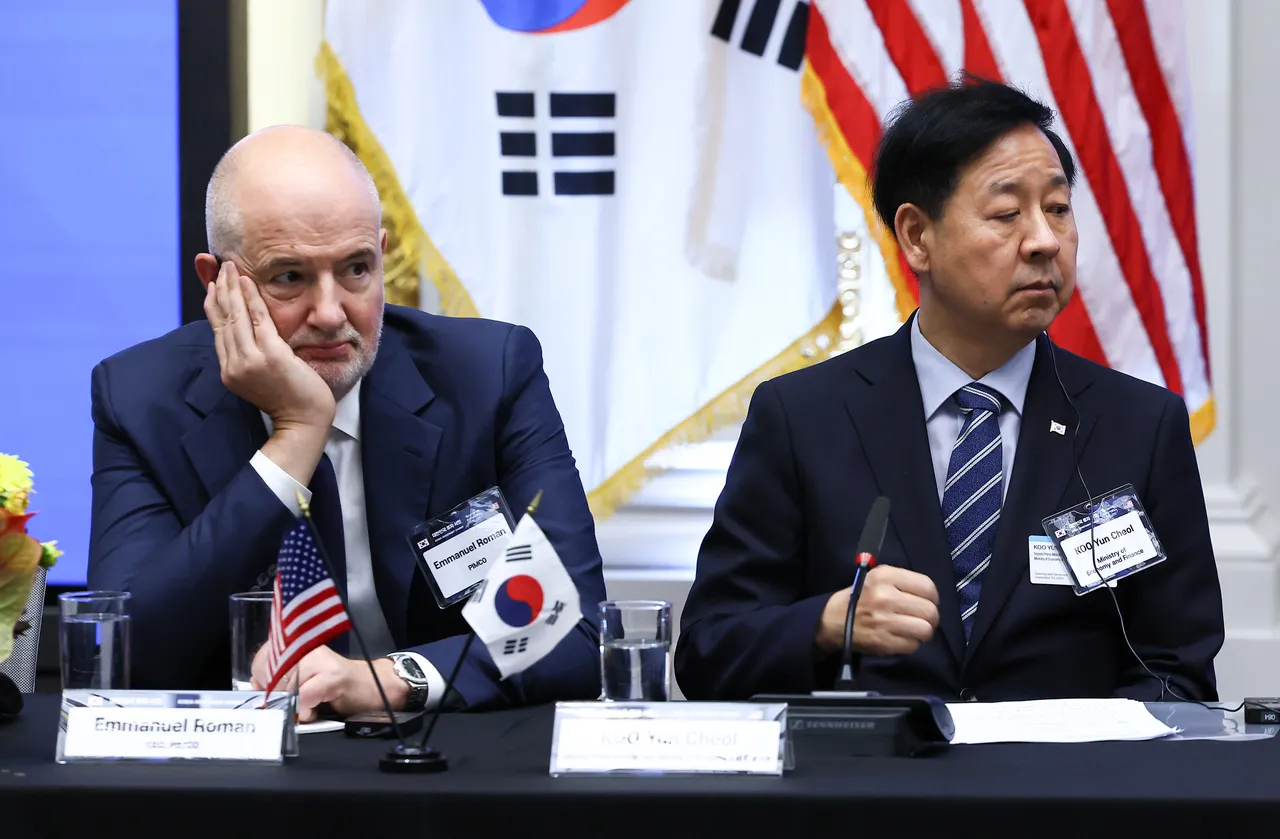
During a September 2025 visit to the New York Stock Exchange, President Lee addressed global investors directly, pledging to press ahead with a third round of Commercial Act reforms despite anticipated business resistance. “I understand there’s a resistance. But this (commercial law reform) is something that must be done and will be implemented,” Lee told assembled Wall Street executives, including CEOs from Citigroup, JPMorgan, Goldman Sachs, BlackRock, and MSCI itself.
Remarkable Market Performance
The reform agenda has coincided with extraordinary stock market performance that few analysts predicted. The KOSPI stock benchmark rose 76% in 2025, marking its strongest annual performance since 1999 and establishing it as the world’s best-performing major stock market for the year. The index closed 2025 at 4,214.17, its highest year-end finish in its 43-year history.
This remarkable turnaround came after the index had plummeted below 2,400 in December 2024 following then-President Yoon Suk Yeol’s shocking martial law declaration, which lasted only hours before parliament overturned it. The market remained subdued through early 2025 as political uncertainty lingered, with foreign investors selling approximately 16 trillion won of local shares through May.
Sentiment shifted dramatically after Lee’s election and inauguration, with the KOSPI reclaiming 3,000 on June 20, 2025 – its first return above that level in more than three years – less than a month after Lee took office. The rally accelerated through the second half of 2025, driven by a global AI boom that particularly benefited Korean semiconductor manufacturers Samsung Electronics and SK Hynix.
Samsung Electronics’ stock jumped 127% during 2025, while SK Hynix saw its market capitalization surge past $306 billion as demand for high-bandwidth memory chips used in artificial intelligence applications exceeded supply. The semiconductor sector’s performance lifted not only the KOSPI but also increased the combined stock valuation of major conglomerate controlling shareholders to 93.34 trillion won at the start of 2026, up 61.3% from a year earlier.
Samsung Electronics Chair Lee Jae-yong saw his stock holdings more than double to 25.88 trillion won, surpassing the previous domestic record set by his late father and establishing a new benchmark for stock-based wealth in South Korea. This wealth effect has been distributed broadly across conglomerate leadership, reflecting the market’s comprehensive re-rating.
Economic Growth Projections and Policy Support
Alongside the financial market reforms, the Finance Ministry has projected improved economic performance for 2026. The government forecasts GDP growth of 2.0% in 2026, up from the 1.8% estimate made in August, supported by improving domestic demand and robust exports following 2025’s modest 1.0% expansion. Inflation is projected to remain stable at 2.1% in 2026, unchanged from 2025 levels.
Export growth is expected to accelerate to 4.2% in 2026 from 3.8% in 2025, driven primarily by strong semiconductor demand related to artificial intelligence investment. This optimistic outlook persists despite concerns about global trade headwinds from US tariff policies, reflecting confidence in the structural strength of Korea’s technology export sector.
To enhance semiconductor industry competitiveness, the ministry announced plans to prepare a five-year policy plan in the fourth quarter of 2026, incorporating financial and tax support alongside regulatory improvements. The government has also committed to making South Korea one of the world’s top three AI powers to raise long-term growth potential, with policy support extending to defense, biopharmaceutical, petrochemical, and steel industries.
The $350 billion investment package pledged as part of a US trade deal negotiated in 2025 presents opportunities to bolster the shipbuilding and nuclear energy sectors while seeking new American markets. However, this commitment has also generated tension, with US officials pressing for upfront payment structures that Korean negotiators have described as commercially unrealistic.
Currency Market Dynamics
The reform announcements come as the Korean won navigates significant volatility. The currency traded at its weakest levels since 2009 until late December 2025, before sharply rebounding on market-stabilizing measures rolled out near year-end. These interventions helped the won snap a four-year losing streak with a 2.3% gain for 2025, though the currency remained under pressure from structural dollar demand.
Financial authorities have grown increasingly concerned about won weakness, with President Lee instructing regulators to boost transparency in stock transactions as distrust in local markets affects foreign exchange dynamics. “Distrust in the local stock market is affecting the foreign exchange market,” Lee stated during a December policy briefing, noting that listed companies tend to be valued at only about 60% of their true worth despite relatively strong performance.
The government has responded with a combination of verbal intervention and tax incentives for retail investors who sell overseas stocks and reinvest domestically. Deputy Finance Minister Choi Ji-young noted that retail investors, who held a combined $161.1 billion in overseas stocks as of September 2025, typically invest abroad without hedging currency risk, creating dollar demand proportional to investment size and adding upward pressure on exchange rates.
Challenges and Implementation Timeline
Despite the ambitious reform agenda, significant challenges remain. South Korea’s cautious approach to financial liberalization reflects legitimate concerns about market stability and the risk of speculative attacks on the currency. The memory of the 1997-98 crisis continues to influence policymaking, creating tension between the desire for developed market status and the imperative to maintain financial system resilience.
MSCI has placed South Korea on its watch list for developed market status multiple times, most recently in 2008, only to remove the country in 2014 where it has remained for more than a decade. Each disappointment has generated frustration among Korean policymakers and market participants, who note the disconnect between Korea’s economic development level and its index classification.
The June 2025 decision by MSCI to again decline adding South Korea to its watchlist, despite ongoing reforms, underscored the challenges ahead. MSCI has been explicit that limited convertibility of the Korean won in offshore currency markets represents a fundamental obstacle to inclusion, making the 24-hour trading initiative and offshore settlement platform critical to any future upgrade decision.
Industry observers emphasize that successful implementation will require not just regulatory changes but also practical operational improvements by market participants. Domestic brokerage firms must invest in systems capable of round-the-clock operation, while market infrastructure providers need to ensure robust clearing and settlement processes that meet international standards for delivery versus payment and eliminate pre-funding requirements.
Regional Competition and Global Context
South Korea’s pursuit of developed market status occurs within a broader context of emerging market competition for international capital. Taiwan, which shares similar economic characteristics and faces comparable governance challenges, remains in the MSCI emerging markets index alongside China and India. Each of these markets seeks to enhance its appeal to international investors while managing distinct political and economic constraints.
The MSCI market classification framework treats economic development, size and liquidity, and market accessibility as distinct dimensions, with the accessibility criterion proving most challenging for countries with restricted capital accounts. China has avoided some of these issues through its gradual A-share inclusion process, while India continues to work on foreign ownership restrictions and operational improvements.
For South Korea, the stakes extend beyond simple index classification to encompass the country’s broader economic strategy and international positioning. As a mature economy with world-class companies in semiconductors, automotive, shipbuilding, and consumer electronics, the emerging market designation increasingly appears anomalous. Yet MSCI’s technical requirements reflect genuine operational constraints that must be addressed through concrete market infrastructure improvements rather than diplomatic lobbying.
Looking Ahead: The Path to Developed Status
The Finance Ministry’s comprehensive roadmap represents the most ambitious effort yet to secure MSCI developed market inclusion. If the timeline proceeds as planned, South Korea could appear on MSCI’s watch list following the June 2026 annual review, setting the stage for a potential upgrade decision in June 2027. Successful reclassification would trigger index-tracking fund inflows beginning in 2028, when the change would take effect.
The 24-hour trading initiative launching in July 2026 will provide MSCI with concrete evidence of improved won accessibility and market operational capacity. The accompanying measures on offshore settlement, reporting requirements, and registration processes address the full spectrum of accessibility concerns that have prevented previous upgrade attempts from succeeding.
President Lee’s political capital and demonstrated commitment to reform provide grounds for optimism that this effort may finally succeed where previous attempts have fallen short. The dramatic KOSPI performance in 2025 has validated Lee’s market-friendly approach and generated momentum for continued governance improvements and shareholder value enhancement.
However, the ultimate decision rests with MSCI’s assessment of whether South Korea meets the technical criteria for developed market classification. The organization’s framework emphasizes the practical experience of international institutional investors, making operational performance and market accessibility paramount. South Korea must demonstrate not just regulatory changes but sustained operational improvements that meaningfully enhance investor access and reduce frictions in currency conversion and securities settlement.
As global markets evolve and emerging economies mature, the distinction between developed and emerging markets continues to be refined. South Korea’s comprehensive reform effort represents a test case for whether a country can successfully navigate the technical requirements for reclassification while maintaining financial stability and domestic policy priorities. The coming months will reveal whether Seoul’s latest push can overcome decades of classification inertia and achieve the developed market status its economic fundamentals appear to warrant.
The integration of financial market liberalization, corporate governance reform, and macroeconomic stability represents a sophisticated approach to market development that could serve as a model for other emerging economies seeking similar upgrades. Success would validate President Lee’s bold vision of transforming the Korea discount into a “Korea premium,” fundamentally reshaping international perceptions of Asian markets and potentially triggering similar reform efforts across the region.
Ready to take your career to the next level? Join our Online courses: ACCA, HESI A2, ATI TEAS 7 , HESI EXIT , NCLEX – RN and NCLEX – PN, Financial Literacy!🌟 Dive into a world of opportunities and empower yourself for success. Explore more at Serrari Ed and start your exciting journey today! ✨
Track GDP, Inflation and Central Bank rates for top African markets with Serrari’s comparator tool.
See today’s Treasury bonds and Money market funds movement across financial service providers in Kenya, using Serrari’s comparator tools.
Photo source: Google
By: Montel Kamau
Serrari Financial Analyst
9th January, 2026