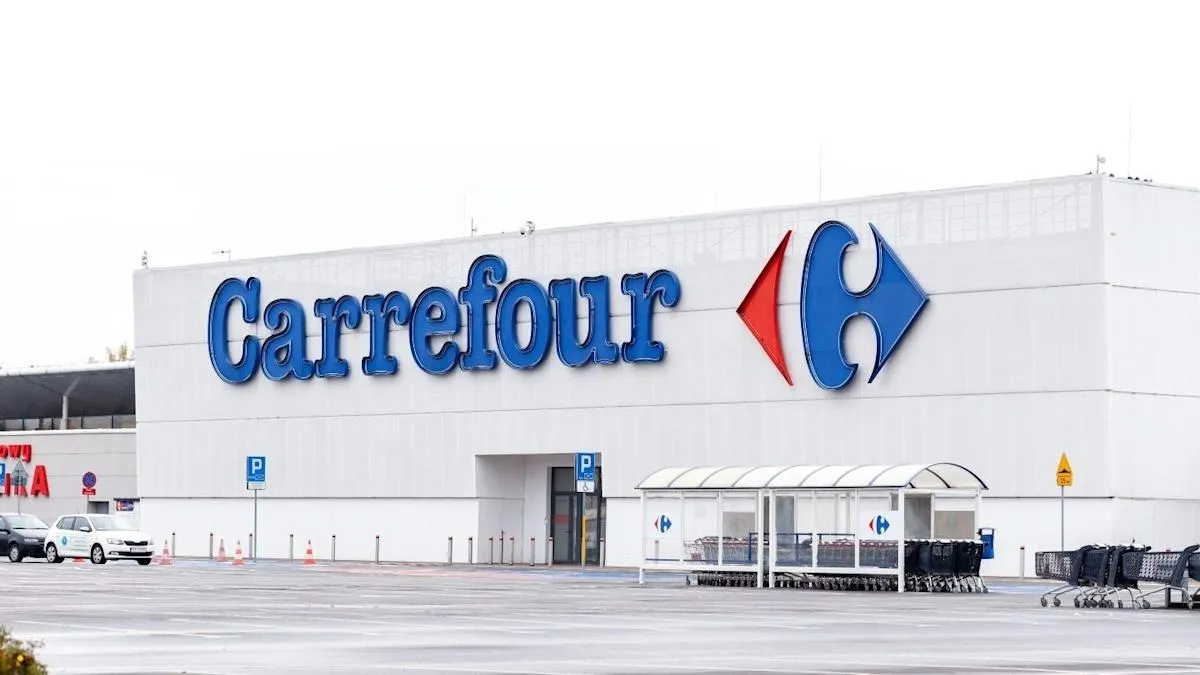
French retail powerhouse Carrefour has entered Ethiopia’s rapidly expanding grocery market through a franchise and supply partnership with Queens Supermarket Plc, a subsidiary of Midroc Investment Group, Ethiopia’s largest and most diversified private conglomerate. The strategic collaboration marks Carrefour’s latest expansion in Africa’s second most populous nation, home to approximately 135 million people, and represents a significant milestone in the French retailer’s aggressive international franchise growth strategy.
The partnership, announced on January 5, 2026, allows for the roll-out of Carrefour banners, expertise, and products across Ethiopia’s burgeoning retail landscape. Under the agreement, Carrefour will support Midroc teams in transforming Queens Supermarket’s entire store network under Carrefour banners and implementing an ambitious expansion plan that projects opening 17 additional stores by 2028, supplementing the 13 existing Queens Supermarket locations that will undergo rebranding.
Build the future you deserve. Get started with our top-tier Online courses: ACCA, HESI A2, ATI TEAS 7, HESI EXIT, NCLEX-RN, NCLEX-PN, and Financial Literacy. Let Serrari Ed guide your path to success. Enroll today.
Phased Transformation and Expansion Timeline
The first stores are scheduled to be rebranded by the first half of 2026, marking the beginning of a comprehensive transformation that will bring Carrefour’s globally recognized retail standards to Ethiopian consumers. This phased approach allows for systematic implementation of operational systems, supply chain integration, and staff training while minimizing disruption to existing customer relationships.
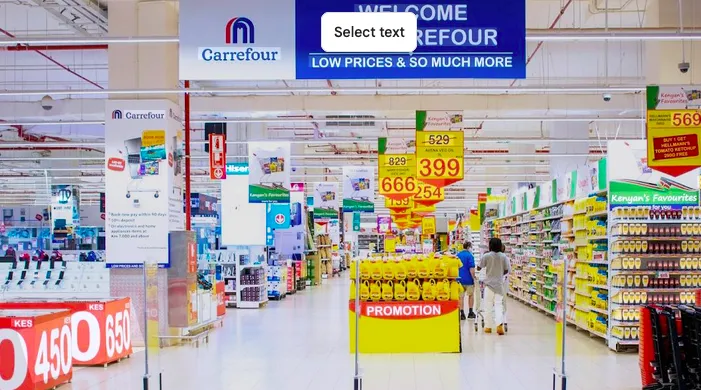
Patrick Lasfargues, CEO of Carrefour International Partnership, emphasized the significance of the Ethiopian entry: “Beyond the rapid transformation of the 13 existing stores, the Midroc and Carrefour International Partnership teams are already working hand-in-hand on the future growth of our activities in the country: by 2028, we project the opening of 17 additional stores. This launch in Ethiopia is another milestone in the execution of our international franchise expansion strategy, which already saw us pass the 3,000 franchised store mark in October 2025.”
The announcement clarifies that Ethiopia represents the 13th new franchise country to join Carrefour’s network since 2022, significantly surpassing the retailer’s original target of 10 franchised countries under the Carrefour 2026 strategic plan. This accelerated expansion demonstrates the strength and dynamism of Carrefour’s franchise model in emerging markets where local partnerships provide essential market knowledge and operational infrastructure.
Midroc Investment Group: Ethiopia’s Economic Powerhouse

Midroc Investment Group stands as Ethiopia’s leading private conglomerate and one of the largest business empires in Africa, employing over 72,000 people across 45 companies organized into six operational clusters. The group operates across diverse sectors including agriculture, agro-processing, manufacturing, mining, construction, real estate, hotels, tourism, and commercial retail through its Queens store network.
Under the visionary leadership of CEO Jemal Ahmed, Midroc has become a transformative force in Ethiopia’s economic landscape. Ahmed’s strategic direction and business acumen have propelled Midroc to drive industrial innovation and economic expansion both within Ethiopia and across the broader African continent. His leadership has been internationally recognized, including receiving the prestigious Africa Industry Personality of the Year Award at the 2025 African Business Leadership Awards in London.
“I’m very proud to announce, along with the entire Midroc team, our integration into Carrefour’s international franchise network,” said Jemal Ahmed. “By leveraging our deep knowledge of the local Ethiopian market, the dedication of the Midroc teams, and Carrefour’s excellence, we will be able to offer Ethiopian consumers high-quality, affordable products and an experience that perfectly meets their expectations.”
The partnership positions Midroc as both a retail operator and a strategic supplier to Carrefour’s global network. As Carrefour’s partner, Midroc will leverage its agricultural production of premium coffee, tea, spices, flowers, and fresh fruits for integration into Carrefour’s global supply chain, creating what industry observers describe as a “farm-to-shelf” synergy that showcases Ethiopian agricultural products on international platforms. This dual role as franchisee and supplier creates unique value-added opportunities that extend beyond traditional retail partnerships.
Consumer Benefits and Market Impact
Carrefour’s entry into Ethiopia is expected to deliver substantial benefits to consumers through lower prices, reduced inflationary pressure, and access to a wider variety of quality products and services. The introduction of Carrefour’s sophisticated supply chain management, bulk purchasing power, and private label offerings should increase competitive pressure on existing retailers and potentially drive down consumer prices across the sector.
The partnership is also expected to provide significant support to local suppliers, particularly in Ethiopia’s critical agriculture sector. Ethiopia’s position as the birthplace of coffee and a major producer of agricultural commodities creates natural synergies with Carrefour’s global sourcing requirements. The integration of Ethiopian agricultural products into Carrefour’s international supply chain could open new markets for Ethiopian farmers and agro-processors, supporting rural economic development and value-added export growth.
Currently, the United States, Europe, Turkey, Egypt, and the United Arab Emirates are among the leading suppliers of food and beverage products sold through Ethiopia’s grocery retail sector. Carrefour’s entry will likely reshape these supply relationships, potentially increasing direct sourcing from Ethiopia and the broader East African region while introducing new international brands and product categories to Ethiopian consumers.
Carrefour’s Global Performance and Strategic Direction
The Ethiopian expansion comes as Carrefour navigates a complex global retail environment. The group posted sales of €94.6 billion (approximately $101.22 billion USD) in 2024, with like-for-like sales rising 9.9% despite economic pressures across its core European and Latin American markets. Adjusted EBITDA increased by 1.7% to €4.6 billion, reflecting stable performance amid inflation, shifting consumer behaviors, and intense price competition.
The company’s 2024 performance demonstrated resilience in challenging conditions. In Europe, inflation eased but consumers remained cautious, favoring smaller purchases and lower-cost options. Carrefour responded by adjusting prices, investing in digital tools, and expanding private-label offerings, moves that helped improve customer satisfaction and strengthen market positions in key countries including France, Spain, and Brazil. The company also achieved significant cost reductions of €1.24 billion over the year while expanding its convenience store footprint with 454 new franchised locations.
Looking ahead, Carrefour plans to expand into 10 new countries under its 2026 strategic plan, with Ethiopia representing a critical component of this aggressive international expansion. The company aims to save an additional €1.2 billion while maintaining slight growth in EBITDA, recurring operating income, and free cash flow. This financial discipline combined with strategic market entry positions Carrefour to capture growth opportunities in emerging markets while maintaining profitability in mature European operations.
Ethiopia’s Retail Landscape and Economic Transformation
Ethiopia’s retail sector has experienced significant transformation in recent decades as the country’s economy has evolved from predominantly subsistence agriculture toward a more diversified structure incorporating manufacturing, services, and modern retail formats. With a population estimated at 135.5 million in 2025, Ethiopia represents Africa’s second-largest population after Nigeria and ranks as the world’s 14th most populous nation.
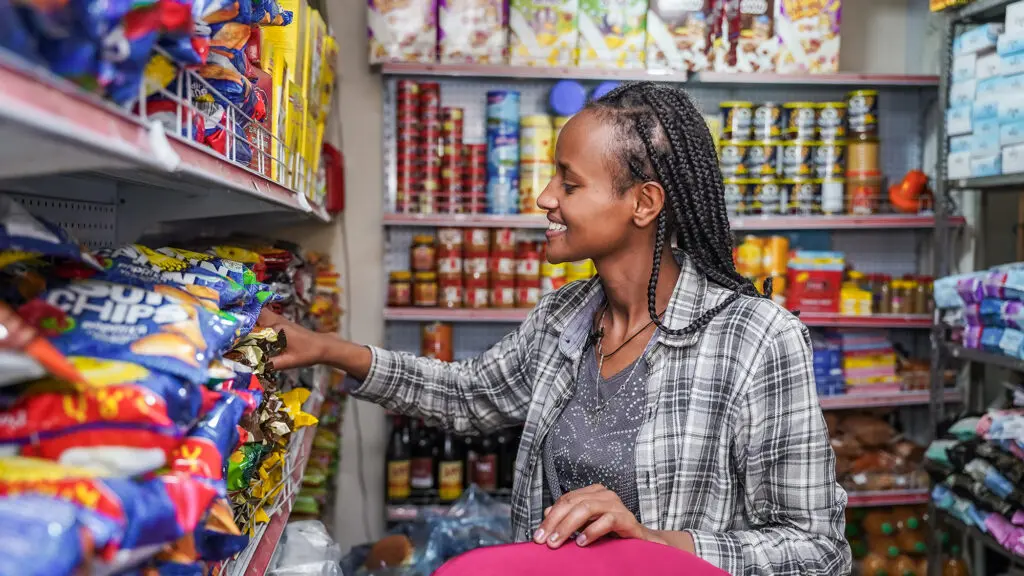
The country’s demographic profile presents attractive opportunities for retail expansion. With a median age of approximately 19 years and 41.5% of the population below age 15, Ethiopia has an exceptionally young population that is increasingly urbanizing and adopting modern consumption patterns. Urban population has grown from 14.7% in 2000 to 24.2% currently, driving demand for modern retail formats, convenience, and broader product selection.
Economic growth has been substantial, though uneven. The country has experienced significant GDP expansion in recent decades, though it faces ongoing challenges including poverty, infrastructure deficits, and political instability. The government’s focus on attracting foreign investment and developing the private sector has created opportunities for international retailers seeking to establish positions in what remains a largely informal and traditional retail environment.
Modern retail formats remain relatively underdeveloped compared to Ethiopia’s population size and economic potential. Supermarkets and hypermarkets represent a small fraction of total retail sales, with the vast majority of commerce occurring through traditional markets, small shops, and informal channels. This creates substantial runway for growth as rising incomes, urbanization, and exposure to modern retail concepts drive consumer preferences toward organized retail formats.
Midroc’s Industrial Operations and National Impact
Beyond its retail operations through Queens Supermarket, Midroc Investment Group’s industrial operations play a crucial role in supporting Ethiopia’s national food security and export development. The conglomerate’s manufacturing cluster embraces 17 companies engaged in packaging and related products manufacturing, food processing, and pharmaceuticals, creating an integrated value chain that extends from primary agricultural production through processing and retail distribution.
Midroc’s agricultural operations are particularly extensive. The group operates multiple large-scale commercial farms producing coffee, tea, spices, flowers, and fresh fruits. These operations utilize modern agricultural techniques and have achieved various international certifications including Rain Forest Alliance, UTZ, Fair Trade, and organic certification, positioning Ethiopian agricultural products to meet stringent international market requirements.
The coffee operations are especially noteworthy given Ethiopia’s historical and cultural significance as the birthplace of Arabica coffee. Midroc operates several thousand hectares of coffee plantations in Ethiopia’s prime coffee-growing regions, producing premium specialty-grade coffee for international markets. This production will now be integrated into Carrefour’s global supply chain, potentially opening new distribution channels for Ethiopian coffee in Carrefour’s extensive network of stores across Europe, Latin America, and Asia.
The group’s mining operations extract gold and other minerals, while construction and real estate activities support infrastructure development across Ethiopia. Hotel and tourism operations cater to Ethiopia’s growing tourism sector, which benefits from the country’s unique historical heritage, cultural diversity, and natural attractions. This diversified portfolio makes Midroc not merely a retail operator but a fully integrated economic development partner with capabilities spanning multiple sectors critical to Ethiopia’s transformation agenda.
One decision can change your entire career. Take that step with our Online courses in ACCA, HESI A2, ATI TEAS 7, HESI EXIT, NCLEX-RN, NCLEX-PN, and Financial Literacy. Join Serrari Ed and start building your brighter future today.
Carrefour’s African Presence and Regional Strategy
Carrefour’s Ethiopian entry builds on an established and growing presence across the African continent through carefully selected franchise partnerships. In East and Central Africa, Carrefour operates in Kenya, Uganda, the Democratic Republic of Congo, and the Republic of Congo, with Ethiopia now joining this regional cluster. These East African operations benefit from regional trade integration, shared supply chains, and opportunities to leverage learnings across similar markets.
In West Africa, Carrefour’s footprint extends across Côte d’Ivoire, Cameroon, Ghana, Senegal, Nigeria, and Gabon. This pan-African presence creates significant scale advantages in sourcing, logistics, and best practice sharing. The franchise model allows Carrefour to expand rapidly with limited capital investment while leveraging local partners’ market knowledge, regulatory relationships, and operational expertise.
The African expansion strategy reflects Carrefour’s recognition of the continent’s demographic and economic potential. With population growth rates exceeding most other regions, rapid urbanization, a growing middle class, and increasing adoption of modern retail formats, Africa represents one of the world’s most attractive long-term growth opportunities for organized retail. However, success requires navigating complex regulatory environments, infrastructure challenges, supply chain constraints, and intense price competition from informal retail channels.
Carrefour’s franchise partnerships with established local conglomerates like Midroc provide a de-risked entry model. These partners bring essential local market knowledge, existing retail infrastructure, supplier relationships, and government connections while Carrefour contributes its global brand, retail systems, supply chain expertise, and product sourcing capabilities. This mutually beneficial structure has proven successful across Carrefour’s international franchise network.
Supply Chain Integration and Agricultural Development
The partnership’s supply chain dimensions extend significantly beyond typical franchise arrangements. Midroc’s extensive agricultural and agro-processing capabilities create opportunities for vertical integration that benefit both partners while supporting Ethiopian economic development. By integrating Ethiopian-produced coffee, tea, spices, and fresh produce into Carrefour’s global supply chain, the partnership creates export opportunities that can generate foreign exchange earnings and support rural employment.
Ethiopia’s agricultural sector employs approximately 70% of the population and accounts for a substantial share of GDP, despite the country’s efforts to diversify into manufacturing and services. Coffee alone provides livelihoods for close to 15 million Ethiopians, representing 16% of the population. Expanding market access for Ethiopian agricultural products through Carrefour’s international network could significantly impact rural incomes and agricultural development.
The partnership may also facilitate technology transfer and the adoption of international quality standards throughout Midroc’s supply chain. Carrefour’s stringent requirements for product quality, food safety, traceability, and sustainability will likely drive improvements across Midroc’s agricultural and processing operations, creating spillover benefits for other Ethiopian exporters seeking to access international markets.
Fresh produce and perishable goods present particular supply chain challenges in Ethiopia given infrastructure constraints including limited cold storage capacity, unreliable power supply, and underdeveloped logistics networks. Carrefour’s expertise in managing complex fresh product supply chains and Midroc’s agricultural production capabilities may catalyze improvements in cold chain infrastructure that benefit the broader Ethiopian food system.
Competitive Landscape and Market Dynamics
Carrefour’s entry will intensify competition in Ethiopia’s modern retail sector, which remains relatively underdeveloped but has seen increasing interest from both local and international operators. Existing supermarket chains will face new competitive pressure from Carrefour’s brand recognition, operational systems, and purchasing power. This competition should ultimately benefit consumers through improved service, wider product selection, and more competitive pricing.
The informal retail sector, which dominates Ethiopian commerce, will likely prove more resilient to organized retail competition than in some other African markets. Traditional markets, small neighborhood shops, and informal vendors offer convenience, credit, and social relationships that modern retail formats struggle to replicate. However, as urbanization continues and consumer preferences evolve, modern retail formats should capture an increasing share of total retail spending.
Price competition will be particularly intense given Ethiopian consumers’ high price sensitivity and the significant poverty that still characterizes much of the population. Carrefour’s challenge will be positioning its stores to serve emerging middle-class consumers seeking quality, variety, and modern shopping experiences while maintaining price competitiveness with informal alternatives that benefit from lower overhead costs and tax compliance requirements.
The partnership’s success will depend significantly on effective localization of Carrefour’s global retail model to Ethiopian market realities. This includes adapting product assortments to local preferences, sourcing appropriate price-point products, accepting local payment methods, and creating store environments that appeal to Ethiopian consumers while delivering the quality and consistency associated with the Carrefour brand.
Long-term Strategic Implications
The Carrefour-Midroc partnership represents more than a simple retail franchise agreement; it embodies a strategic alliance with potential implications extending across multiple sectors of Ethiopia’s economy. By combining Midroc’s position as Ethiopia’s largest private conglomerate with Carrefour’s status as a global retail leader, the partnership creates a platform for sustained economic impact.
For Carrefour, Ethiopia provides a strategic foothold in the Horn of Africa and access to a large, young, and rapidly urbanizing population. Success in Ethiopia could establish blueprints for expansion into neighboring markets and demonstrate the viability of large-scale modern retail in challenging frontier markets. The ability to integrate Ethiopian agricultural products into global supply chains adds unique value beyond typical franchise arrangements.
For Midroc, the partnership provides access to world-class retail systems, international best practices, and the Carrefour brand, which carries significant consumer recognition even in markets where Carrefour does not yet operate. The relationship may facilitate future collaborations across other sectors where both companies have interests, including real estate development, financial services, and supply chain logistics.
For Ethiopia, the partnership represents continued integration into global commercial networks and the ongoing transformation of its retail sector. The introduction of international retail standards, employment creation, agricultural market development, and potential supply chain investments all contribute to the country’s economic modernization agenda. If successful, the partnership could attract additional international retailers to the Ethiopian market, accelerating the retail sector’s development.
Implementation Challenges and Critical Success Factors
Despite the partnership’s strategic logic and potential benefits, successful implementation will require navigating significant challenges inherent in operating in Ethiopia’s complex environment. Political instability, periodic civil conflict, and security concerns in various regions create operational risks that must be carefully managed. Recent years have seen significant internal tensions that have impacted economic activity and investor confidence.
Infrastructure deficits present ongoing operational challenges. Power supply reliability, transportation networks, and logistics infrastructure all lag requirements for modern retail operations. Investments in backup power generation, fleet management, and supply chain optimization will be necessary to maintain operational consistency and manage costs effectively.
Regulatory and bureaucratic complexities require careful management. Import procedures, licensing requirements, foreign exchange controls, and evolving tax policies create compliance burdens and potential operational disruptions. Midroc’s established government relationships and regulatory experience provide essential capabilities for navigating these challenges.
Human capital development will be critical. Successfully transforming Queens Supermarket outlets into Carrefour-branded stores requires comprehensive training of existing staff in Carrefour’s operational systems, customer service standards, and quality protocols. Attracting and retaining qualified management talent in a competitive labor market for skilled professionals will require competitive compensation and career development opportunities.
Consumer education and market development represent ongoing requirements. Many Ethiopian consumers have limited exposure to modern retail formats and will require time to adapt to self-service shopping, broader product selections, and different pricing models. Marketing investments and community engagement will be essential for building awareness and trial of the transformed stores.
Regional Integration and Cross-Border Opportunities
Ethiopia’s position within the Horn of Africa and its membership in regional trade blocs including the Intergovernmental Authority on Development (IGAD) and the African Continental Free Trade Area (AfCFTA) create potential opportunities for regional integration of the Carrefour-Midroc partnership. As regional trade barriers decrease and cross-border commerce expands, successful operations in Ethiopia could serve as platforms for serving neighboring markets.
The partnership may also benefit from Carrefour’s existing East African operations in Kenya and Uganda. Supply chain coordination across the region could reduce costs through consolidated purchasing, shared logistics, and transfer of best practices across similar markets. Kenya’s more developed retail infrastructure and supply chains could provide models and support for Ethiopian market development.
However, regional integration faces significant obstacles including inadequate transportation infrastructure connecting Ethiopia to neighbors, regulatory barriers to cross-border trade, and political tensions that periodically disrupt regional commerce. Ethiopia’s landlocked status and historical reliance on Djibouti for port access create particular logistics challenges that impact import costs and supply chain complexity.
Long-term success may depend on developing regional supply chains that source products across East Africa rather than relying primarily on Ethiopian production and imports from distant international markets. This regional approach could reduce costs, improve product freshness, and support economic development across multiple countries while creating more resilient supply chains less vulnerable to disruptions in any single country.
Conclusion: A Pivotal Moment for Ethiopian Retail
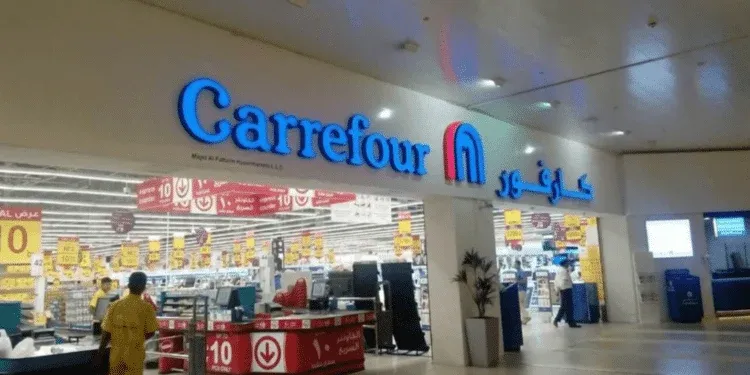
The Carrefour-Midroc partnership marks a pivotal moment in Ethiopian retail sector development and represents a significant vote of confidence in Ethiopia’s economic future from two major players. By combining Carrefour’s global retail excellence with Midroc’s comprehensive local capabilities and agricultural production, the partnership creates a unique platform with potential to reshape Ethiopian retail while supporting agricultural development and supply chain modernization.
Success will require patient capital, cultural sensitivity, operational excellence, and sustained commitment from both partners. The challenges are substantial but the opportunity is commensurate with the difficulty. Ethiopia’s large and growing population, ongoing urbanization, rising incomes, and retail sector underdevelopment create conditions for potentially transformative growth if the partnership can execute effectively.
For Ethiopian consumers, the partnership promises improved access to quality products, competitive pricing, and modern shopping experiences. For Ethiopian agriculture, it offers potential new market access and development opportunities. For the broader Ethiopian economy, it represents continued integration into global commercial networks and demonstration effects that may attract additional international investment.
The coming months and years will determine whether this ambitious partnership achieves its potential. The initial transformation of 13 existing stores and subsequent expansion to 30 total locations by 2028 will provide early indicators of operational effectiveness, consumer acceptance, and economic viability. If successful, the Carrefour-Midroc partnership may serve as a model for retail sector development across Africa’s frontier markets and contribute meaningfully to Ethiopia’s ongoing economic transformation.
Ready to take your career to the next level? Join our Online courses: ACCA, HESI A2, ATI TEAS 7 , HESI EXIT , NCLEX – RN and NCLEX – PN, Financial Literacy!🌟 Dive into a world of opportunities and empower yourself for success. Explore more at Serrari Ed and start your exciting journey today! ✨
Track GDP, Inflation and Central Bank rates for top African markets with Serrari’s comparator tool.
See today’s Treasury bonds and Money market funds movement across financial service providers in Kenya, using Serrari’s comparator tools.
photo source: Google
By: Montel Kamau
Serrari Financial Analyst
8th January, 2026