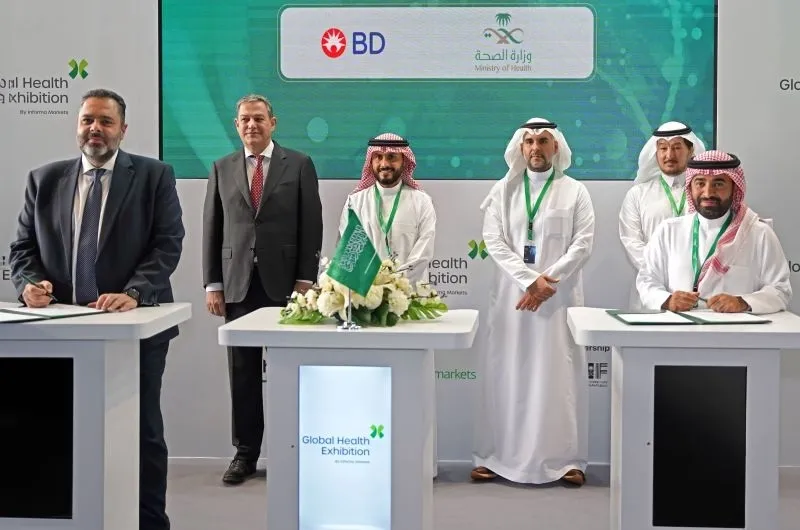
A groundbreaking industrial partnership between Egypt and Saudi Arabia is poised to reshape the medical supply landscape across the Middle East and North Africa region. The initiative, centered on localizing hemodialysis filter manufacturing, represents a significant step toward achieving medical self-sufficiency and reducing dependency on imports in critical healthcare supplies.
Saudi Deputy Minister of Industry and Mineral Resources for Mining Affairs Khalid bin Saleh Al-Mudaifer recently undertook a crucial visit to the Wadi El-Nile Stio plant for hemodialysis filter and dialyzer manufacturing in Cairo, marking a new chapter in bilateral cooperation between the two regional powerhouses. The facility tour provided Saudi officials with an in-depth examination of advanced production technologies that could soon be replicated on Saudi soil.
Build the future you deserve. Get started with our top-tier Online courses: ACCA, HESI A2, ATI TEAS 7, HESI EXIT, NCLEX-RN, NCLEX-PN, and Financial Literacy. Let Serrari Ed guide your path to success. Enroll today.
The Strategic Significance of Hemodialysis Manufacturing
The hemodialysis equipment sector has emerged as one of the most critical segments within medical device manufacturing across the Middle East and Africa. According to market research data, the Middle East and Africa hemodialysis and peritoneal dialysis market is expected to grow from $5.54 billion in 2022 to $7.11 billion by 2028, registering a compound annual growth rate of approximately 4.2 percent. This substantial growth trajectory underscores the critical importance of establishing local manufacturing capabilities to meet rising demand.
The Wadi El-Nile Stio facility represents a significant milestone in Egypt’s push toward pharmaceutical and medical device self-sufficiency. During the Saudi delegation’s visit, officials reviewed the plant’s advanced production lines, which manufacture hemodialysis filters in compliance with global quality standards and Egyptian Drug Authority requirements. The production process showcased during the tour demonstrated Egypt’s technical capability to produce medical devices that meet international benchmarks, positioning the country as a viable partner for technology transfer initiatives.
Egypt’s Growing Pharmaceutical Manufacturing Prowess
Egypt has emerged as a formidable player in pharmaceutical manufacturing within the MENA region. The country’s pharmaceutical market recorded sales of 309 billion Egyptian pounds in 2024, up from 216 billion pounds in 2023, reflecting a remarkable 43 percent year-on-year increase according to Ali Ghamrawy, Chairperson of the Egyptian Drug Authority. This dramatic growth demonstrates the sector’s vitality and expanding capabilities.
The localization of drug production in Egypt can be traced back to 1937, establishing a long-standing tradition of pharmaceutical manufacturing in the country. Today, approximately 94 percent of medicines consumed in Egypt are manufactured locally, with the country’s pharmaceutical market reaching $3.88 billion in sales in 2023, representing a 15 percent increase from the previous year.
Wadi El-Nile Stio Life Science has positioned itself at the forefront of this manufacturing revolution. The company launched a new dialysis filter manufacturing facility in July 2025 at a reported cost of 160 million Egyptian pounds, with the capacity to meet 65 percent of local demand for dialysis filters. Officials estimate this development could reduce import expenses by up to 3 billion Egyptian pounds annually, substantially alleviating pressure on the country’s foreign currency reserves.
Before this facility became operational, Egypt imported approximately 90 percent of its dialysis filters. The new production capabilities represent a dramatic reversal of this dependency, aligning with the government’s broader strategy to achieve self-sufficiency in essential medical supplies while generating export opportunities to neighboring markets.
Saudi Vision 2030 and Pharmaceutical Localization Goals
The Egyptian-Saudi cooperation comes at a pivotal moment for Saudi Arabia’s economic transformation agenda. Under Vision 2030, the Saudi government has identified localizing the pharmaceutical industry as a top strategic objective, with current local production accounting for just 30 percent of medications consumed in the Kingdom. The ambitious national plan seeks to double domestic pharmaceutical manufacturing from 20 percent to 40 percent of market requirements.
Saudi Arabia’s pharmaceutical market represents the largest in the MENA region, with the industry’s share of the broader regional market standing at 37 percent. The Kingdom’s pharmaceutical sector is valued between $8.5 billion and $10.7 billion, with projections showing growth at a compound annual growth rate of 5.7 percent by 2030, with some forecasts suggesting rates as high as 9.6 percent by 2033.
The National Industrial Development and Logistics Program predicts that the size of the pharmaceutical market in Saudi Arabia will reach 44 billion riyals (approximately $11.7 billion) by 2030, encompassing both pharmaceutical products and medical devices. The program aspires to localize 40 percent of the value of the Saudi pharmaceutical industry while focusing on supporting the localization of the most advanced products, positioning the Kingdom as a leading manufacturer and exporter to the Middle East, Africa, and countries of the Organization of the Islamic World.
The Kingdom has implemented various incentives to attract pharmaceutical companies and drive localization efforts. These include lower minimum capital requirements, tax incentives, customs duty exemptions, and preferential treatment for locally manufactured products in government tenders. The Saudi Food and Drug Authority has also enhanced regulatory frameworks to accelerate approval processes for new drugs and encourage innovation in local pharmaceutical production.
Major multinational pharmaceutical companies have responded to these incentives by establishing regional manufacturing facilities. Pfizer invested $50 million to establish an 11,000 square-meter facility to manufacture 16 pharmaceutical items, receiving complete ownership of its regional affiliate as part of the arrangement. Similarly, GSK has made further investments in regional manufacturing facilities to localize 75 percent of their local output, demonstrating the attractiveness of Saudi Arabia’s pharmaceutical localization strategy.
Technology Transfer and Expertise Exchange
The discussions between Egyptian and Saudi officials focused extensively on potential industrial cooperation to localize hemodialysis filter manufacturing within Saudi Arabia. The initiative aims to transfer Egyptian expertise and manufacturing know-how to support Saudi Vision 2030’s ambitious healthcare sector goals. This technology transfer represents a departure from traditional North-South technology flows, instead showcasing South-South cooperation where developing nations share industrial capabilities and technical knowledge.
Amr Abdel-Razek, Chairperson of Wadi El-Nile Stio Life Science, described the Saudi delegation’s visit as a new milestone in Arab cooperation in medical industries. He emphasized the strategic importance of localizing hemodialysis filter production to build a competitive regional medical technology sector that can serve both domestic markets and export to neighboring countries.
The company has demonstrated its commitment to building local expertise through partnerships with German technical specialists to implement training programs aimed at transferring technical knowledge and developing indigenous capabilities. While Wadi El-Nile Stio currently imports raw materials from Germany, the company has announced plans to fully localize production within a year, further reducing dependency on foreign suppliers and strengthening the resilience of the national healthcare supply chain.
Vice Chairperson of the Egyptian Drug Authority Tamer F. emphasized the Authority’s strong support for joint industrial investments between Egypt and Saudi Arabia, noting that such cooperation enhances Arab pharmaceutical and medical security. This represents a strategic shift toward viewing healthcare manufacturing through the lens of national and regional security, recognizing that dependency on imports for critical medical supplies creates vulnerabilities that can be exploited during global supply chain disruptions.
Market Dynamics and Regional Healthcare Challenges
The push for localization comes against the backdrop of significant healthcare challenges facing both countries and the broader region. The Middle East and Africa region imports over 85 percent of its medical devices, primarily from the United States, Germany, and China, according to the United Nations Industrial Development Organization. This heavy dependency exposes the region to supply chain disruptions, currency fluctuations, and geopolitical risks.
The COVID-19 pandemic starkly illustrated these vulnerabilities. During the 2021-2022 global logistics crisis, hospitals in Jordan and Oman experienced delays of up to six months in receiving critical imaging components and dialysis consumables. In Yemen and Sudan, import restrictions and foreign exchange shortages led to severe shortages of dialysis consumables and ventilator parts, directly impacting patient care and health outcomes.
Chronic kidney disease and end-stage renal disease represent growing public health challenges across the Middle East. The prevalence of diabetes, a leading cause of kidney disease, stands at approximately 18 percent among Saudi Arabian adults, making the treatment of these chronic health conditions through local research and development imperative. Egypt alone reported over 1.2 million hepatitis C cases as of 2023, with the disease representing a significant risk factor for kidney disease.
The hemodialysis patient population continues to expand across the region. In Egypt, where hemodialysis was first introduced in 1964, virtually all dialysis patients are treated with intermittent hemodialysis, with peritoneal dialysis accounting for only 15 to 20 patients nationwide. The top three manufacturers of dialysis machines in Egypt are Fresenius, Allmed, and Baxter, with an approximate cost of 350,000 Egyptian pounds per machine, representing a significant capital investment for healthcare facilities.
One decision can change your entire career. Take that step with our Online courses in ACCA, HESI A2, ATI TEAS 7, HESI EXIT, NCLEX-RN, NCLEX-PN, and Financial Literacy. Join Serrari Ed and start building your brighter future today.
Government Initiatives Supporting Medical Manufacturing
Both Egypt and Saudi Arabia have implemented comprehensive policy frameworks to support pharmaceutical and medical device manufacturing. The Egyptian government has made localizing pharmaceutical industries a central pillar of its economic strategy, particularly focusing on specialized pharmaceutical industries including oncology and immunodeficiency drugs, radioactive dyes, and infant formula.
During a meeting with Egyptian Prime Minister Mostafa Madbouly, Health Minister Khaled Abdel Ghaffar indicated that savings from localizing pharmaceutical raw materials are estimated to reach $1 billion. Additionally, the government aims to locally manufacture medical imaging devices, mainly ultrasound machines, X-ray equipment, and surgical imaging tools, in collaboration with top global companies.
Egypt inaugurated Gypto Pharma in April 2021, described as the largest pharmaceutical city in the Middle East and Africa, located in the Greater Cairo region. The city includes 160 production lines capable of manufacturing 150 types of drugs, including novel drugs for the region. The facility is designed to attract both local and international corporations while creating substantial employment opportunities.
In Saudi Arabia, the government’s commitment to localization extends beyond mere policy statements to concrete financial commitments. Saudi Arabia has committed over $13 billion to healthcare modernization projects under Vision 2030, which includes the establishment of dedicated pharmaceutical zones and incentives for local drug production. The Saudi Food and Drug Authority has introduced expedited approval processes for critical medicines, enhancing market responsiveness and reducing time-to-market for new therapeutic products.
The Ministry of Investment of Saudi Arabia has identified two areas with high investment potential: pharmaceuticals and medical devices. Notably, the Ministry observed that approximately 90 percent of medical devices in the country are imported, indicating substantial opportunities for local manufacturing development. Supporting local manufacturing would help the country reduce its dependence on foreign companies while creating high-value employment opportunities for Saudi nationals.
Economic Implications and Job Creation
The pharmaceutical localization initiatives carry significant economic implications for both countries. According to Saudi Arabia’s National Biotechnology Strategy, the pharmaceutical and biotechnology sectors could create 11,000 job opportunities by 2030 and contribute $34.6 billion to the non-oil GDP by 2040, potentially positioning Saudi Arabia as one of the leading global hubs for pharmaceutical manufacturing, research, and innovation.
In Egypt, pharmaceutical sales surged to 62 billion Egyptian pounds in the first two months of 2025, demonstrating robust domestic demand that can support expanded manufacturing capacity. The country exported approximately $1 billion worth of human and veterinary medicines, nutritional supplements, and medical and cosmetic supplies by the end of October 2023, with exports expected to increase by approximately 10 percent during 2024.
Investment in Egypt’s pharmaceutical market was estimated at $16 billion in 2023, reflecting substantial capital flowing into the sector. The country exports to over 60 countries, generating significant revenue and establishing Egypt as a regional pharmaceutical hub with growing international reach.
The localization of hemodialysis filter production specifically addresses a critical gap in the medical supply chain. Wadi El-Nile Stio has announced plans to launch 22 pharmaceutical products expected to be priced up to 60 percent lower than comparable imported alternatives, substantially improving affordability and access to essential medical supplies for patients across the region.
Regional Medical Security and Supply Chain Resilience
The Egyptian-Saudi cooperation on medical manufacturing reflects a broader strategic shift toward viewing healthcare supply chains through the prism of national and regional security. The concept of “medical security” has gained prominence in policy discussions, recognizing that over-dependence on imports for critical healthcare supplies creates strategic vulnerabilities that can be exploited during international crises or supply chain disruptions.
The pharmaceutical market in the Middle East is witnessing a shift toward local pharmaceutical production to reduce import dependency and ensure supply chain resilience. This transformation is being driven by multiple factors including the expansion of healthcare insurance schemes, implementation of digital health initiatives, and heavy investment in biopharmaceuticals and generic drugs aimed at meeting global quality standards while supporting economic diversification goals.
The lack of harmonized regulatory frameworks across different Middle Eastern countries has historically restrained pharmaceutical market growth. However, both Egypt and Saudi Arabia have taken steps to align their regulatory systems with international standards. The Saudi Food and Drug Authority is working to align itself with the European Medicines Agency and the U.S. Food and Drug Administration to expedite approval procedures, making it easier for domestically manufactured products to meet global quality benchmarks.
Technology Partnerships and International Collaboration
Beyond the bilateral Egyptian-Saudi cooperation, both countries are pursuing strategic partnerships with global pharmaceutical companies to accelerate technology transfer and build local capabilities. In Saudi Arabia, companies like Sudair Pharmaceutical have forged partnerships with international giants such as Novartis and Dr. Reddy’s to transfer knowledge and enhance production capabilities.
French pharmaceutical company Sanofi and Danish specialty diabetes player Novo Nordisk have each benefited from seven-year offtake agreements for their decisions to localize insulin manufacturing in Saudi Arabia, demonstrating how the Kingdom is leveraging guaranteed procurement commitments to attract foreign investment in local production facilities. Baxter has gained directly from its status as owner of the sole in-country manufacturing site for peritoneal dialysis products.
In 2022, Novartis signed a memorandum of understanding with the Saudi Ministry of Investment to expand local activities for cell and gene therapy, including sharing technology, research and development capabilities, and building local capacities. This ensures better clinical translation and local manufacturing of advanced therapeutic products.
The partnership model being pursued by Egypt and Saudi Arabia represents a hybrid approach, combining South-South technology transfer between developing nations with continued engagement with Northern technology providers to access cutting-edge manufacturing processes and quality control systems.
Challenges and Future Outlook
Despite the promising developments, significant challenges remain on the path toward pharmaceutical and medical device self-sufficiency. The high cost of importing raw materials, exacerbated by currency fluctuations and foreign exchange shortages, continues to impact manufacturing economics. Egypt’s pharmaceutical sector faces challenges related to shortages of some medicines in the market, which has caused political controversy and public concern.
The lack of research and development capabilities beyond generic and over-the-counter drug production remains a significant impediment to diversifying locally produced pharmaceutical portfolios. Both countries need to invest substantially in R&D infrastructure, skilled labor development, and reducing tariffs on raw materials to build self-sustaining medical technology ecosystems.
However, the future outlook remains positive. Both sides agreed during the recent visit to advance technical coordination and develop a joint plan to localize hemodialysis filter production, exchange expertise, and strengthen regional medical manufacturing capacity. The agreement underscores the long-standing partnership between Egypt and Saudi Arabia in advancing industrial development and health sector capabilities.
Deputy Minister Al-Mudaifer highlighted Egypt’s strong industrial base and its ability to contribute to Saudi localization plans under Vision 2030, recognizing that Egypt’s decades of pharmaceutical manufacturing experience and established production infrastructure make it an ideal partner for technology transfer initiatives.
Strategic Implications for Arab Healthcare Cooperation
The Egyptian-Saudi partnership on medical manufacturing represents more than a bilateral trade agreement; it embodies a broader vision for Arab economic integration and collective self-sufficiency in critical sectors. By pooling resources, sharing expertise, and coordinating industrial strategies, Arab nations can build regional value chains that reduce collective vulnerability to external supply disruptions.
The initiative aligns with Egypt’s strategy to expand local pharmaceutical production and achieve self-sufficiency in essential medical supplies while supporting Saudi Arabia’s Vision 2030 objectives. Both countries recognize that investment in local pharmaceutical and medical device manufacturing not only addresses immediate healthcare needs but also creates high-value employment, generates export revenues, and builds indigenous technological capabilities that can be applied to other advanced manufacturing sectors.
As global supply chains continue to face disruptions from geopolitical tensions, climate events, and pandemic threats, the strategic imperative for regional self-sufficiency in medical supplies will only intensify. The Egyptian-Saudi cooperation on hemodialysis filter manufacturing may serve as a template for future collaborations across various medical technology segments, potentially extending to other Arab nations seeking to build domestic manufacturing capabilities.
The visit to the Wadi El-Nile Stio plant represents just the beginning of what both nations hope will become a comprehensive partnership in medical manufacturing. With technical coordination now advancing and joint planning underway, the localization of hemodialysis filter production in Saudi Arabia could become operational within the next few years, marking a significant milestone in regional healthcare independence and Arab industrial cooperation.
This groundbreaking initiative demonstrates that developing nations need not remain perpetual importers of advanced medical technologies. Through strategic partnerships, technology transfer, and sustained investment in local capabilities, countries like Egypt and Saudi Arabia are charting a new course toward pharmaceutical self-sufficiency—one that could transform the healthcare landscape across the entire MENA region for decades to come.
Catch Up With Our Other Headlines
2nd December, 2025
Mastercard and AXIAN Launch Integrated Financial Ecosystem Across Five African Nations
India’s GDP Growth Hits 8.2% as Private Sector Takes the Wheel
ASX Downturn: Technology Outage and $5 Billion Takeover Collapse Fuel Market Uncertainty
Africa’s Top Economists Convene to Forge a New Path for Sustainable and Inclusive Growth
Superior Homes Launches ‘The Orchards’ as Northlands City’s Premier Residential Anchor
Kenya Ranked Africa’s Most Competitive Economy in IMD 2025 Index
Ready to take your career to the next level? Join our Online courses: ACCA, HESI A2, ATI TEAS 7 , HESI EXIT , NCLEX – RN and NCLEX – PN, Financial Literacy!🌟 Dive into a world of opportunities and empower yourself for success. Explore more at Serrari Ed and start your exciting journey today! ✨
Track GDP, Inflation and Central Bank rates for top African markets with Serrari’s comparator tool.
See today’s Treasury bonds and Money market funds movement across financial service providers in Kenya, using Serrari’s comparator tools.
photo source: Google
By: Montel Kamau
Serrari Financial Analyst
2nd December, 2025