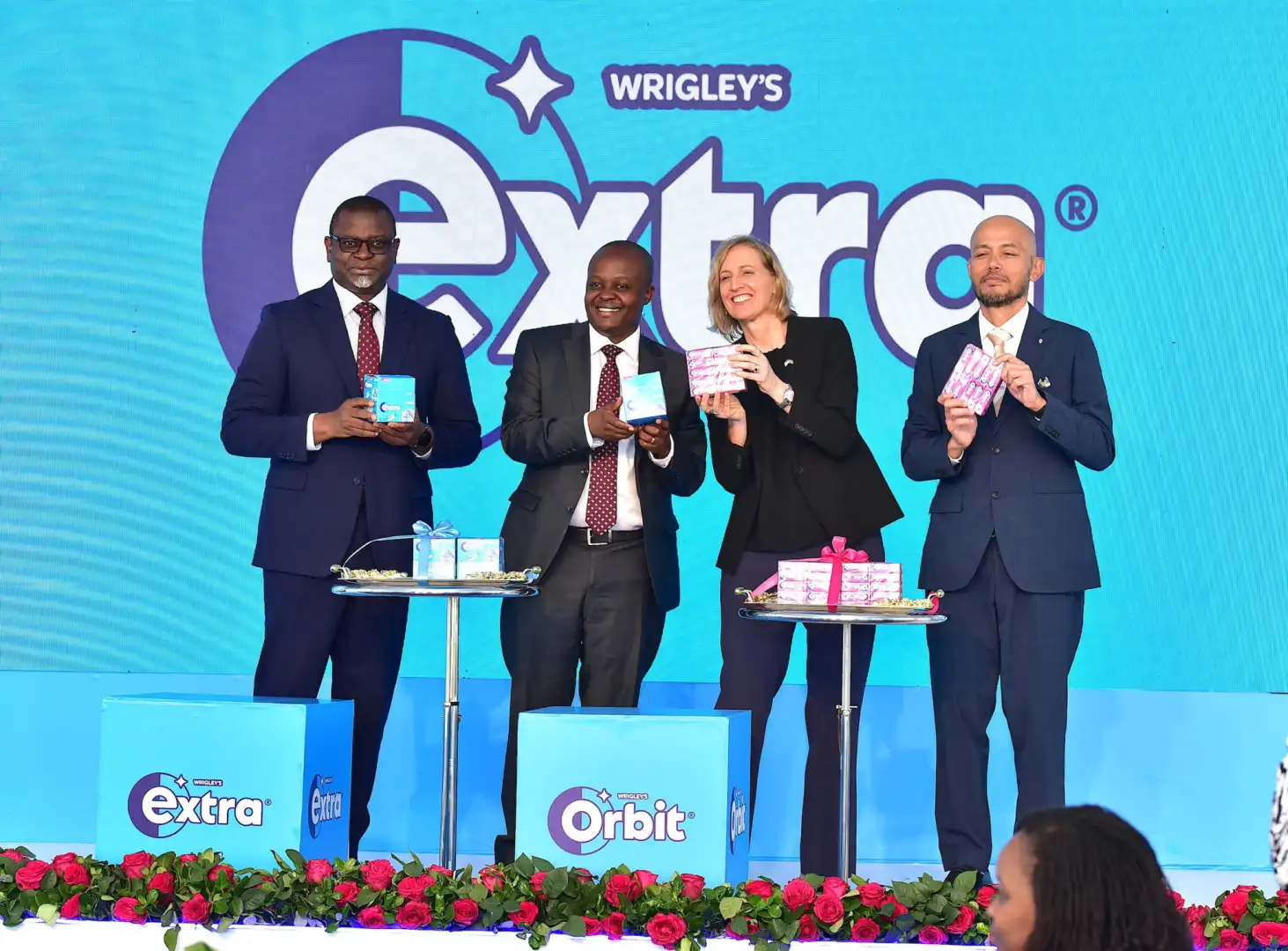
Mars Wrigley has unveiled a transformative $33 million investment in its Kenyan operations, launching a state-of-the-art sugar-free gum production line at its Athi River facility that marks a strategic break from the confectionery giant’s long-standing reliance on European manufacturing. The Sh4.3 billion commitment over the next three years represents a significant vote of confidence in Kenya’s potential as a regional manufacturing hub and signals a broader industry trend toward nearshoring production to emerging markets.
The expansion builds on the more than $70 million the company has already deployed in Kenya and reinforces the East African nation’s position as a strategic gateway for serving both African and Middle Eastern consumer markets. This latest investment brings Mars Wrigley’s cumulative manufacturing expenditure in Kenya over the past decade to approximately Sh13.4 billion ($103 million), underscoring the company’s long-term commitment to the country’s industrial development.
Build the future you deserve. Get started with our top-tier Online courses: ACCA, HESI A2, ATI TEAS 7, HESI EXIT, NCLEX-RN, NCLEX-PN, and Financial Literacy. Let Serrari Ed guide your path to success. Enroll today.
Strategic Shift from Poland to Kenya
For years, all sugar-free gum for Africa and the Middle East was sourced from Mars Wrigley’s POZ facility in Poland, requiring long-distance shipments that increased lead times, logistics costs, and supply chain vulnerabilities. The decision to establish local production in Kenya fundamentally alters this model, bringing manufacturing closer to end consumers and enabling more responsive, flexible operations attuned to regional market dynamics.
The new production line will manufacture Orbit brand sugar-free gum for Sub-Saharan African markets and Extra brand for Arabic-speaking consumers across Egypt, Saudi Arabia, Iraq, Libya, Lebanon, the United Arab Emirates, and the wider Gulf region. This geographic split reflects Mars Wrigley’s strategic approach to tailoring products for distinct consumer preferences and market characteristics across its diverse operational footprint.
According to Food Business Middle East & Africa, the facility will enable Mars Wrigley to supply 15 countries in Africa and the Middle East, up from six markets previously served from the Nairobi hub. This expanded reach represents more than doubling the company’s regional market coverage, positioning Kenya as the central manufacturing and distribution node for a vast geographical area spanning multiple time zones and diverse economic conditions.
Enhancing Supply Chain Resilience and Market Responsiveness
The strategic rationale for localizing production extends beyond simple cost considerations. By moving production to Athi River, Mars Wrigley achieves significantly reduced lead times, allowing products to reach African and Middle Eastern consumers much faster than when shipped from Europe. This responsiveness provides competitive advantages in markets where consumer preferences can shift rapidly and where the ability to quickly introduce new products or adjust production volumes offers strategic differentiation.
The investment also enhances supply chain resilience, a consideration that has gained heightened importance following pandemic-related disruptions and growing geopolitical uncertainties affecting global trade flows. Reducing dependence on long-distance European imports mitigates risks associated with shipping delays, port congestion, and potential trade barriers that could disrupt product availability in key markets.
Ismael Bello, General Manager for Mars Wrigley in Sub-Saharan Africa, emphasized that the decision to manufacture sugar-free gum in Kenya for the first time “signals our confidence in the country’s potential as a regional hub,” noting that local production will enhance affordability, export performance, and job creation. This confidence reflects Kenya’s advantages in terms of strategic location, relatively developed infrastructure, skilled workforce availability, and preferential trade access to multiple regional markets.
State-of-the-Art Technology and Sustainability Focus
Plant Director Mustaffa Bin Kamaludin highlighted that the new production line integrates state-of-the-art technology designed to boost efficiency and elevate sustainability performance while deepening the company’s commitment to developing Kenyan talent. The emphasis on technological advancement reflects Mars Wrigley’s strategy of deploying modern manufacturing systems that optimize resource utilization, minimize waste, and reduce environmental impacts.
The facility features upgraded machinery, increased automation, and higher production throughput, enabling more efficient operations that can respond flexibly to changing market demands. Automation not only improves productivity and quality consistency but also creates opportunities for workforce upskilling as employees transition to more technical roles involving equipment operation, monitoring, and maintenance.
Sustainability considerations have become increasingly central to manufacturing investment decisions, driven by consumer expectations, regulatory requirements, and corporate environmental commitments. Mars Wrigley’s emphasis on sustainability aligns with broader industry trends toward reducing carbon footprints, optimizing resource use, and implementing circular economy principles in manufacturing operations.
Economic Impact and Employment Generation
Mars Wrigley currently supports over 3,500 direct and indirect jobs in Kenya, making it a significant employer in the country’s manufacturing sector. The new sugar-free gum line is expected to create additional employment opportunities, both within the Athi River facility and across the broader supply chain encompassing logistics providers, packaging suppliers, raw material vendors, and related service sectors.
The expansion includes a planned 10% workforce increase, with staff additions dedicated to operating the upgraded production line and supporting expanded manufacturing capacity. Beyond direct employment, the investment generates multiplier effects throughout the economy as employees spend wages on goods and services, suppliers expand operations to meet increased demand, and related industries benefit from enhanced economic activity.
Kenya Investment Authority Chief Executive John Mwendwa, speaking at the commissioning ceremony, stated that “we see this evolving into a continental and cross-regional supply hub,” emphasizing Kenya’s trade advantages and logistical positioning to support wider export reach. This perspective reflects government ambitions to position Kenya as a preferred manufacturing destination for companies serving regional and international markets.
Kenya’s Growing Attractiveness as a Manufacturing Destination
Mars Wrigley’s expanded investment occurs within a broader context of Kenya’s efforts to attract foreign direct investment through its Strategic Plan 2023-2027, which targets increasing FDI from $500 million in 2022 to $10 billion by 2027. The ambitious plan emphasizes development of Special Economic Zones, creation of bankable investment products across various sectors, and fostering an investor-centric culture through enhanced stakeholder engagement and aftercare services.
Kenya’s advantages as a manufacturing hub include its strategic location as the commercial, economic, technological, and logistic center of East Africa, relatively well-developed infrastructure compared to regional peers, and access to preferential trade agreements providing favorable market access. The country has preferential access to markets within the region, the European Union, the US, and Asia, creating platforms for locally produced goods to reach both local and international consumers.
Despite manufacturing accounting for only 7.8% of Kenya’s GDP in 2022, the government has identified industrial development as a key priority under President William Ruto’s Bottom-up Economic Transformation Agenda. Efforts to enhance the sector include infrastructure investments, regulatory reforms, and targeted incentives designed to reduce the cost of doing business and improve competitiveness.
Historical Context of Mars Wrigley’s Kenya Operations
Mars Wrigley’s deepening commitment to Kenya builds on more than a decade of manufacturing presence in the country. In 2018, the company announced plans to set up a Sh7 billion factory in Athi River as part of its ongoing expansion, with the facility designed to produce approximately 7.8 billion pellets of chewing gum annually. That investment reflected confidence in Kenya’s growth potential and alignment with government objectives to boost local manufacturing capacity.
The state-of-the-art facility was officially inaugurated in April 2019, replacing the company’s older plant in Nairobi’s Industrial Area with a modern 20-acre complex in Machakos County’s Mavoko area. The new factory became the first manufacturing plant in Eastern Africa to achieve LEED GOLD certification status for adopting green building strategies and practices in its design and construction, demonstrating Mars Wrigley’s commitment to environmental sustainability.
The Athi River location already manufactures sugared gum brands including P.K., Juicy Fruit, and Big G, which have established strong market positions in Kenya and across the region. The addition of sugar-free gum production complements this portfolio, addressing growing consumer interest in healthier snacking options while positioning the company to compete more effectively in premium market segments.
One decision can change your entire career. Take that step with our Online courses in ACCA, HESI A2, ATI TEAS 7, HESI EXIT, NCLEX-RN, NCLEX-PN, and Financial Literacy. Join Serrari Ed and start building your brighter future today.
Market Dynamics and Competitive Landscape
Mars Wrigley’s Kenya investment responds to evolving market dynamics in the confectionery sector, particularly growing demand for sugar-free alternatives driven by health consciousness and concerns about dental health. The Middle East and Africa gum market is expected to reach $3.74 billion by 2032, growing at a compound annual growth rate of 4.8%, with sugar-free gum expected to grow faster than sugared varieties due to increasing dental concerns and rising popularity of functional gums.
Local manufacturing of Orbit and Extra will raise category competition with imported sugar-free gums in Kenya, including brands such as Trident, Xylitol, and Stimorol. By producing locally, Mars Wrigley can offer competitive pricing while maintaining quality standards, potentially capturing market share from imported competitors constrained by higher landed costs including import duties and transportation expenses.
The investment also aligns with Mars Wrigley’s broader strategy to expand in emerging markets, which the company has identified as areas where “the future of snacking will be forged” due to their dynamic, vibrant characteristics and growth opportunities that outstrip older, mature markets. With emerging markets home to 65% of the world’s population and five billion potential consumers, the strategic imperative to establish strong manufacturing and distribution capabilities in these regions is clear.
Affordability Strategy Through Local Production
General Manager Bello highlighted that lower landed costs from reduced import taxes and shorter supply lines will support new small-unit retail stocking options, enhancing product accessibility across diverse income segments. The company plans to introduce single-unit packs retailing at Sh5, making sugar-free gum more affordable for consumers while continuing to offer larger stick packs at Sh70 for those seeking better value through bulk purchasing.
This pricing strategy reflects understanding of the diverse economic realities across Mars Wrigley’s target markets, where substantial populations have limited disposable income yet represent significant growth opportunities if products can be made accessible at appropriate price points. Single-serving formats at low price points reduce the initial purchase barrier, enabling trial and habit formation among consumers who might be deterred by larger, more expensive pack sizes.
The affordability strategy resonates particularly in Sub-Saharan African markets, where per capita incomes remain considerably lower than in developed economies despite recent economic growth. By manufacturing locally and optimizing distribution costs, Mars Wrigley can offer competitive pricing while maintaining profitability, creating a sustainable business model aligned with market realities.
Kenya’s Evolving Investment Climate and FDI Trends
The Mars Wrigley expansion occurs as Kenya’s technology sector has overtaken banking, manufacturing, and retail as the leading destination for foreign direct investment, with foreign capital inflows into tech rising 71% to Sh64.7 billion ($501 million) in 2024. While manufacturing attracted Sh32.5 billion ($251.6 million) in FDI during the same period, the strong overall FDI performance demonstrates Kenya’s appeal across multiple sectors.
The removal of local ownership restrictions in 2023 has attracted multinationals previously deterred by requirements to cede ownership stakes to local partners. While this policy change primarily affected the technology sector, the broader signal of regulatory reform and openness to foreign investment creates a more favorable environment for manufacturing investments as well.
Kenya ranks 96th among 133 economies on the Global Innovation Index 2024, indicating ongoing challenges in innovation capacity and business environment competitiveness. However, the country’s strong performance in specific areas including infrastructure development, market size, and strategic positioning continues to attract investors seeking regional manufacturing bases.
Infrastructure Development and Connectivity
Kenya’s ongoing infrastructure investments enhance its attractiveness as a manufacturing location. The country is actively enhancing critical infrastructure to lower business costs, facilitate movement of people and goods, boost competitiveness, and attract investment in key sectors including manufacturing. Major projects include road network expansion, port modernization, railway development, and energy infrastructure upgrades.
The Athi River location benefits from proximity to Nairobi, Kenya’s capital and largest city, providing access to skilled labor, supporting services, and domestic market opportunities. The area’s industrial zone offers relatively well-developed infrastructure including reliable road access, utilities, and logistics services essential for manufacturing operations.
According to International Monetary Fund and Kenya National Treasury projections, Kenya’s GDP is expected to grow by 5.3-5.5% in 2024, driven by growth in services sector and household consumption. Sustained economic growth creates expanding consumer markets for manufactured goods, supporting business cases for manufacturing investments targeting domestic and regional consumers.
Regional Export Opportunities and Market Access
Kenya’s membership in multiple trade agreements provides manufactured products with preferential access to large markets. The country participates in the East African Community (EAC), the Common Market for Eastern and Southern Africa (COMESA), and signed an Economic Partnership Agreement with the European Union in December 2023, creating favorable conditions for exports to EU markets.
Additionally, Kenya concluded a Comprehensive Economic Partnership Agreement with the United Arab Emirates in February 2024 to advance trade, investment, and economic cooperation. Such agreements enhance Kenya’s attractiveness as an export-oriented manufacturing base by reducing tariff barriers and facilitating market access for products manufactured in the country.
The African Continental Free Trade Area (AfCFTA), while still in early implementation stages, promises to create a single continental market with substantial potential for intra-African trade expansion. Manufacturers establishing operations in Kenya can position themselves to benefit from improved market access across the continent as AfCFTA implementation progresses and trade barriers are progressively reduced.
Challenges Facing Kenya’s Manufacturing Sector
Despite advantages, Kenya faces persistent challenges that can constrain manufacturing competitiveness. High costs of energy, instability of electricity distribution system, and poor infrastructure in some areas increase operating costs for manufacturers. Energy costs represent significant expense items for manufacturing operations, particularly those requiring substantial power for production processes.
Corruption remains a concern, with Kenya historically scoring poorly on transparency and governance indices. Administrative difficulties, bureaucratic delays, and inconsistent policy implementation can complicate business operations and increase costs through time spent navigating regulatory requirements rather than focusing on productive activities.
Security concerns, particularly terrorism-related incidents and crime, create risks for businesses and employees. While most manufacturing areas including the Athi River industrial zone remain relatively secure, security considerations factor into investment location decisions and require companies to implement protective measures that add to operational costs.
Looking Forward: Implications for Kenya’s Industrial Development
Mars Wrigley’s Sh4.3 billion investment sends a powerful signal about Kenya’s potential as a regional manufacturing hub capable of attracting substantial foreign direct investment in productive sectors. The decision by a major multinational corporation to expand local manufacturing rather than continue importing products validates government strategies to position Kenya as a preferred location for companies serving African and Middle Eastern markets.
The investment’s success could catalyze additional foreign direct investment in Kenya’s manufacturing sector as other companies observe Mars Wrigley’s experience and reassess their own production and supply chain strategies. Demonstration effects from successful investments by respected multinational corporations can be powerful in attracting subsequent investments, particularly when peer companies evaluate location decisions.
For Kenya’s industrial development objectives, attracting more manufacturing investments like Mars Wrigley’s expansion represents a critical pathway toward economic diversification, employment generation, technology transfer, and value addition. Manufacturing creates more productive, higher-paying jobs than many service sector activities while developing technical capabilities and supply chain linkages that can support broader industrial development.
Conclusion
Mars Wrigley’s commitment to investing an additional $33 million in its Kenyan operations over the next three years, following previous investments exceeding $70 million, underscores the confectionery giant’s confidence in Kenya’s potential as a strategic manufacturing and export hub. The new sugar-free gum production line at Athi River represents more than a simple capacity expansion—it signals a fundamental strategic reorientation toward local production for regional markets, ending decades of dependence on European manufacturing for Africa and Middle East supply.
By localizing production, Mars Wrigley achieves multiple strategic objectives: reduced lead times enabling faster market responsiveness, lower logistics costs improving profitability and pricing competitiveness, enhanced supply chain resilience through geographic diversification, and stronger alignment with the company’s sustainability goals through reduced transportation-related carbon emissions. These benefits extend beyond Mars Wrigley to create positive spillovers for Kenya’s economy through employment generation, technology transfer, supplier development, and validation of the country’s manufacturing potential.
As global manufacturing trends continue favoring nearshoring and regionalization to reduce supply chain vulnerabilities exposed during recent disruptions, Kenya’s strategic advantages—including its central location, preferential market access through trade agreements, improving infrastructure, and relatively skilled workforce—position it well to attract additional manufacturing investments. Whether Kenya can fully capitalize on these opportunities depends on addressing persistent challenges related to energy costs, infrastructure gaps, regulatory efficiency, and governance improvements that remain works in progress.
For now, Mars Wrigley’s Sh4.3 billion bet on Kenya manufacturing represents a tangible vote of confidence that, if replicated by other multinational corporations evaluating regional manufacturing strategies, could help transform Kenya’s industrial landscape and accelerate progress toward its ambitious economic development objectives.
Catch up with our latest Headlines
African Leaders Demand Urgent Overhaul of Global Debt Relief Systems at Historic AU-EU Summit
Ready to take your career to the next level? Join our Online courses: ACCA, HESI A2, ATI TEAS 7 , HESI EXIT , NCLEX – RN and NCLEX – PN, Financial Literacy!🌟 Dive into a world of opportunities and empower yourself for success. Explore more at Serrari Ed and start your exciting journey today! ✨
Track GDP, Inflation and Central Bank rates for top African markets with Serrari’s comparator tool.
See today’s Treasury bonds and Money market funds movement across financial service providers in Kenya, using Serrari’s comparator tools.
Photo source: Google
By: Montel Kamau
Serrari Financial Analyst
27th November, 2025