










The African Development Bank Group has approved a landmark grant of $58.04 million to electrify three towns in Eritrea’s southwest Gash Barka region, a move that promises to reshape not just the country’s energy landscape, but its entire rural economic model. The approval, confirmed on February 18, 2026, is among the most significant clean energy investments directed at Eritrea in its post-independence history — and signals a decisive pivot toward solar-powered development in one of Africa’s least electrified nations.
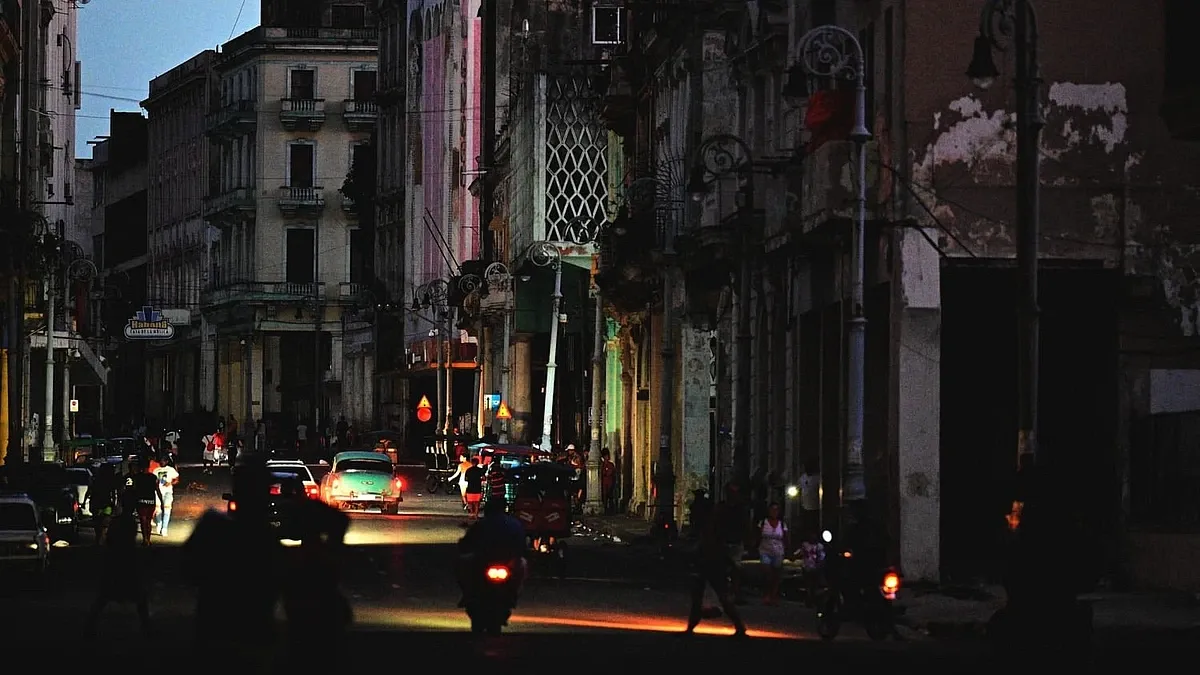
To appreciate the significance of this investment, one must first understand just how stark Eritrea’s energy deficit truly is. According to the African Development Bank’s own project documentation, only 53% of Eritrea’s population currently has access to electricity — with urban access at 76% and rural access at a meagre 10%. This urban-rural gap is one of the sharpest on the continent. Per capita electricity consumption stands at approximately 75 kilowatt-hours per year, compared to an African average of 500 kWh/year — a ratio that underlines just how far Eritrea lags behind regional benchmarks.
Build the future you deserve. Get started with our top-tier Online courses: ACCA, HESI A2, ATI TEAS 7, HESI EXIT, NCLEX-RN, NCLEX-PN, and Financial Literacy. Let Serrari Ed guide your path to success. Enroll today.
The Gash Barka region, Eritrea’s largest administrative zone and historically the country’s agricultural heartland, has been among the hardest hit by these deficits. Often described as Eritrea’s “breadbasket,” Gash Barka is known for its strong agricultural base and livestock resources — yet without reliable electricity, the region’s productive potential has long remained unrealised. Agro-processing enterprises cannot expand their operating hours. Irrigation systems depend on expensive diesel-powered pumps. Schools lack evening lighting for students to study, and health centres struggle to power essential medical equipment.
The installed capacity of Eritrea’s national grid stands at 157 megawatts, but actual firm capacity is only around 37 MW, creating a critical gap between what is available and what is needed. Estimated peak demand exceeds 200 MW. This structural shortfall has historically forced communities to rely on costly diesel generators — a dependency that drives up energy costs, increases greenhouse gas emissions, and undermines the financial viability of small businesses and farms alike.
The Project: Scale, Structure, and Financing
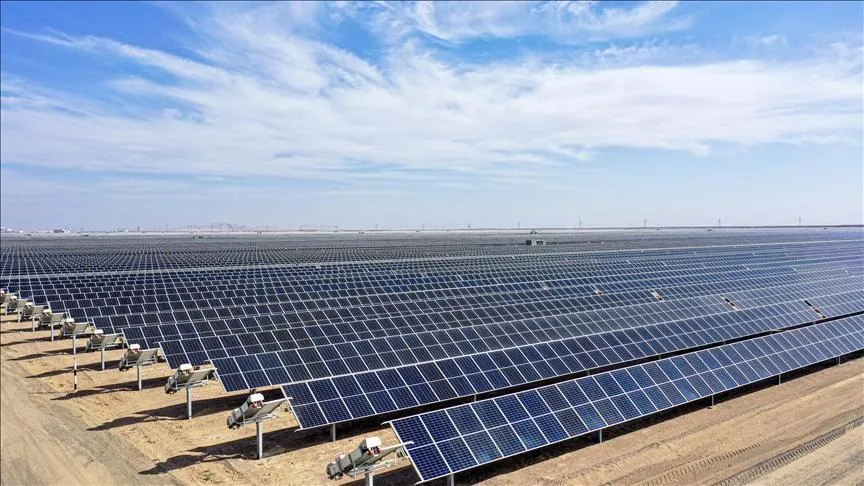
The Eritrea Energy Integrated Project for Tesseney, Kerkebet and Berantu is designed to directly confront these gaps. At its core is a 34-megawatt solar-powered mini-grid system that will strengthen distribution networks and expand local energy capacity across the three target towns. The system will deliver affordable, reliable electricity to households, businesses, public facilities, and agricultural operations in and around Tesseney, Kerkebet and Berantu.
The funding structure is entirely grant-based — a critical distinction for a country with limited fiscal headroom. The African Development Bank Group is channelling $37.31 million through the African Development Fund, the Bank’s concessional lending arm that supports the continent’s most vulnerable economies, with a further $20.73 million drawn from the Bank’s Transition Support Facility — a dedicated mechanism for countries navigating complex political and economic transitions. That both funding windows are structured as grants rather than loans reflects the depth of Eritrea’s development challenge and the Bank’s recognition that concessional investment is the only viable entry point.
Beyond the generation infrastructure, 542 kilometres of distribution lines will be constructed or upgraded — the physical backbone that will carry power from solar generation sites to homes, businesses, schools, and health centres. This network expansion is as important as the generation capacity itself: without sufficient distribution infrastructure, even well-designed mini-grids fail to deliver transformative scale.
Beyond Electricity: Water, Agriculture, and Agro-Industrial Growth
What elevates this project above a conventional electrification initiative is its integrated approach — one that explicitly ties energy access to agricultural productivity, water security, and agro-industrial development. The project will power clean water pumping systems, improving access to safe water for households and livestock. It will enable irrigation systems to operate without diesel fuel, reducing costs for farmers and extending the productive seasons for crops in a region where agriculture is the primary livelihood.
Small enterprises and agro-processing businesses stand to gain significantly. Access to reliable electricity will allow mills, cold storage facilities, and processing units to extend their operating hours and reduce the operational costs that have long been inflated by diesel dependency. This has direct implications for food security and income generation in Gash Barka — a region where post-harvest losses due to inadequate storage and processing capacity represent a chronic drain on agricultural value chains.
The project’s integrated framework builds on lessons from a predecessor initiative signed in March 2025: the Desert to Power Eritrea 12 MW Mini Grid Project, under which the AfDB and Eritrea’s government agreed to establish mini-grids generating 12 MW across the same three towns — Tesseney (6 MW), Kerkebet (3 MW), and Barentu (3 MW). That earlier $19.5 million agreement was set to benefit over 235,000 Eritreans and support more than 160 schools and 90 health centres in the Gash Barka region. The new $58 million approval represents a dramatic scale-up of that vision, tripling generation capacity and nearly doubling the projected beneficiary count to approximately 306,000 people.
Jobs, Skills, and Local Capacity Building
The economic multiplier effects of the project extend beyond agriculture. During construction — which will involve the installation of solar panels, battery energy storage systems, inverters, and the upgrading of distribution infrastructure — significant employment opportunities will be created for local workers and contractors. The operational phase will sustain a further tranche of technical and maintenance jobs, creating a demand for skills that Eritrea’s workforce will need to develop.
Capacity building is a deliberate component of the design. An earlier phase of the Desert to Power programme in Eritrea committed to training 25 local companies and equipping them with tools and machinery to support mini-grid installation, operation, and maintenance. The current project continues this philosophy, aiming to strengthen local technical skills linked to renewable energy services and support the emergence of an ecosystem of small enterprises around the energy sector. In a country where technical skills in the energy sector are scarce, this investment in human capital is as consequential as the physical infrastructure itself.
Kevin Kariuki, the Bank Group’s Vice President for Power, Energy, Climate and Green Growth, framed the project’s significance in broad terms: “This timely investment will help deliver reliable and affordable clean power to communities in Eritrea that need it most, thereby spurring job creation, strengthening local economies and helping Eritrea move towards a sustainable energy future.” Kariuki has championed the Bank’s energy portfolio across the continent, including SEFA — the Sustainable Energy Fund for Africa — which recently concluded a Governing Council meeting in Berlin in January 2026 with a record approval of 13 projects totalling $97 million and $88 million in new donor contributions.
One decision can change your entire career. Take that step with our Online courses in ACCA, HESI A2, ATI TEAS 7, HESI EXIT, NCLEX-RN, NCLEX-PN, and Financial Literacy. Join Serrari Ed and start building your brighter future today.
Climate and Environmental Dimensions
Eritrea’s energy sector is currently heavily reliant on diesel-fired generation — a fuel source that is both expensive and environmentally damaging. The transition to solar-powered mini-grids will substantially reduce greenhouse gas emissions in the Gash Barka region, contributing to Eritrea’s commitments under the Paris Agreement and the country’s own 2018 National Energy Policy, which targets a 20% contribution of renewable energy to electric power by 2030.
This climate dimension aligns the Eritrea project with a broader continental trend. Africa is under intense pressure to expand electricity access without locking in decades of fossil fuel dependency — a tension that clean energy mini-grid solutions are uniquely positioned to resolve. The Desert to Power initiative was designed with precisely this dual imperative in mind: to deliver energy access and drive decarbonisation simultaneously, particularly across the Sahel, where solar irradiation levels are among the highest on earth.
The Gash Barka lowlands, one of the six administrative regions of Eritrea, receive particularly high solar irradiation, making the region well-suited for photovoltaic generation. Research on Eritrea’s solar potential has confirmed that the lowland regions, including Gash Barka, receive annual global horizontal irradiation values among the highest recorded in the country — a natural endowment that the Desert to Power initiative is now beginning to systematically monetise.
Desert to Power and Mission 300: The Continental Architecture
The Eritrea project sits within the African Development Bank’s Desert to Power initiative, one of the Bank’s flagship renewable energy programmes. Launched to harness the solar potential of the Sahel, Desert to Power targets 11 countries: Burkina Faso, Chad, Djibouti, Eritrea, Ethiopia, Mali, Mauritania, Niger, Nigeria, Senegal, and Sudan. Its overarching goal is to generate 10 gigawatts of solar power by 2030, facilitating electricity access for 250 million people across one of the planet’s most energy-deprived regions.
Desert to Power, in turn, operates as a building block within Mission 300 — the landmark partnership between the African Development Bank and the World Bank that aims to deliver electricity to 300 million additional Africans by 2030. Mission 300 was formally adopted at the Africa Heads of State Energy Summit in Dar es Salaam, Tanzania, and has since mobilised an unprecedented coalition of governments, multilateral lenders, and private investors committed to closing Africa’s electricity access gap. The AfDB has committed to adding 50 million new connections as its contribution to the joint initiative, with Desert to Power serving as the primary vehicle for Sahel-region delivery.
Analysts at the Energy for Growth Hub have noted, however, that Desert to Power has faced significant implementation challenges since its launch, having approved financing for only around 225 MW of solar capacity against a target of 10,000 MW — less than 3% of its goal — as of its most recent assessment. The hub recommended that the AfDB under its new leadership focus on completing near-ready projects and integrating Desert to Power more tightly into Mission 300’s delivery architecture. The Eritrea Energy Integrated Project, with its expanded scale and clear implementation mandate, represents precisely the kind of concentrated, high-impact investment the initiative needs to demonstrate credibility on the ground.
A Regional Precedent with Continental Implications
The Eritrea investment does not stand alone. In February 2026, the same week the Eritrea project was announced, the AfDB also disclosed that it joined forces with the Asian Infrastructure Investment Bank to expand clean energy access across Rwanda, and powered eight Nigerian universities with 36.5 MW solar hybrid stations. These parallel announcements signal the Bank’s accelerating pace of energy deployment across the continent — and position 2026 as a pivotal year for Africa’s clean energy transition.
Mission 300, meanwhile, is grappling with a structural challenge: the uneven pace of progress across its member countries. As analysts at Capmad have noted, a two-speed dynamic is emerging in which faster-moving nations risk outpacing those facing governance, financing, or infrastructure constraints. For Mission 300 to achieve its 2030 targets, investments such as the Eritrea project are not merely desirable — they are necessary steps toward closing the gap between ambition and delivery.
Eritrea, with approximately 50% of its population living in poverty and among the lowest per-capita energy consumption rates on the continent, represents one of the initiative’s most difficult — and most consequential — frontiers. The $58 million commitment from the African Development Bank Group is, in that sense, more than a project approval. It is a signal that the multilateral development finance community is prepared to direct concessional resources to precisely the places where market forces alone will never reach — and where the human development dividend of clean electricity is most transformative.
When the solar panels are installed, the distribution lines are strung, and the lights switch on in Tesseney, Kerkebet, and Berantu, 306,000 Eritreans will gain something most of the world takes for granted. For them, that moment will not simply be about electricity. It will mark the beginning of a new economic chapter — one in which a refrigerator can preserve a farmer’s harvest, a student can study after sunset, and a small enterprise can extend its working day beyond the limits of daylight.
Sources: African Development Bank Group (official press release), AfDB project documentation (P-ER-FF0-002), SolarQuarter, DevDiscourse, FundsForNGOs, Africa Oil & Gas Report, FASI.eu, Energy for Growth Hub, AfDB Desert to Power Initiative page, AfDB SEFA Governing Council release, Capmad (Mission 300 analysis)
Ready to take your career to the next level? Join our Online courses: ACCA, HESI A2, ATI TEAS 7 , HESI EXIT , NCLEX – RN and NCLEX – PN, Financial Literacy!🌟 Dive into a world of opportunities and empower yourself for success. Explore more at Serrari Ed and start your exciting journey today! ✨
Track GDP, Inflation and Central Bank rates for top African markets with Serrari’s comparator tool.
See today’s Treasury bonds and Money market funds movement across financial service providers in Kenya, using Serrari’s comparator tools.
photo source: Google
By: Montel Kamau
Serrari Financial Analyst
24th February, 2026
Article, Financial and News Disclaimer
The Value of a Financial Advisor
While this article offers valuable insights, it is essential to recognize that personal finance can be highly complex and unique to each individual. A financial advisor provides professional expertise and personalized guidance to help you make well-informed decisions tailored to your specific circumstances and goals.
Beyond offering knowledge, a financial advisor serves as a trusted partner to help you stay disciplined, avoid common pitfalls, and remain focused on your long-term objectives. Their perspective and experience can complement your own efforts, enhancing your financial well-being and ensuring a more confident approach to managing your finances.
Disclaimer: This article is for informational purposes only and does not constitute financial advice. Readers are encouraged to consult a licensed financial advisor to obtain guidance specific to their financial situation.
Article and News Disclaimer
The information provided on www.serrarigroup.com is for general informational purposes only. While we strive to keep the information up to date and accurate, we make no representations or warranties of any kind, express or implied, about the completeness, accuracy, reliability, suitability, or availability with respect to the website or the information, products, services, or related graphics contained on the website for any purpose. Any reliance you place on such information is therefore strictly at your own risk.
www.serrarigroup.com is not responsible for any errors or omissions, or for the results obtained from the use of this information. All information on the website is provided on an as-is basis, with no guarantee of completeness, accuracy, timeliness, or of the results obtained from the use of this information, and without warranty of any kind, express or implied, including but not limited to warranties of performance, merchantability, and fitness for a particular purpose.
In no event will www.serrarigroup.com be liable to you or anyone else for any decision made or action taken in reliance on the information provided on the website or for any consequential, special, or similar damages, even if advised of the possibility of such damages.
The articles, news, and information presented on www.serrarigroup.com reflect the opinions of the respective authors and contributors and do not necessarily represent the views of the website or its management. Any views or opinions expressed are solely those of the individual authors and do not represent the website's views or opinions as a whole.
The content on www.serrarigroup.com may include links to external websites, which are provided for convenience and informational purposes only. We have no control over the nature, content, and availability of those sites. The inclusion of any links does not necessarily imply a recommendation or endorsement of the views expressed within them.
Every effort is made to keep the website up and running smoothly. However, www.serrarigroup.com takes no responsibility for, and will not be liable for, the website being temporarily unavailable due to technical issues beyond our control.
Please note that laws, regulations, and information can change rapidly, and we advise you to conduct further research and seek professional advice when necessary.
By using www.serrarigroup.com, you agree to this disclaimer and its terms. If you do not agree with this disclaimer, please do not use the website.
www.serrarigroup.com, reserves the right to update, modify, or remove any part of this disclaimer without prior notice. It is your responsibility to review this disclaimer periodically for changes.
Serrari Group 2025