Understanding Critical Business Assets Insurance
Protect What Generates Your Revenue
Revenue comes from assets. If those assets are damaged, disrupted, or lost — cash flow stops. Critical asset insurance protects operational continuity, revenue streams, and long-term business value. Insurance is not an expense. It is risk management.
What You'll Learn
- Operational continuity
- Revenue streams
- Long-term business value
- What qualifies as a critical business asset
- Types of asset insurance
- How to prioritize coverage
Protect What Generates Your Revenue

Revenue comes from assets.
If those assets are damaged, disrupted, or lost —
cash flow stops.
Critical asset insurance protects:
- Operational continuity
- Revenue streams
- Long-term business value
Insurance is not an expense.
It is risk management.
What You’ll Learn

- What qualifies as a critical business asset
- Types of asset insurance
- How to prioritize coverage
- Common risk gaps small businesses ignore
What Are Critical Business Assets?
Critical assets are resources that directly generate income.
They include:
- Physical assets (equipment, buildings, inventory)
- Human capital (key executives)
- Intellectual property
- Digital systems
- Contracts and receivables
If any of these fail, revenue suffers.
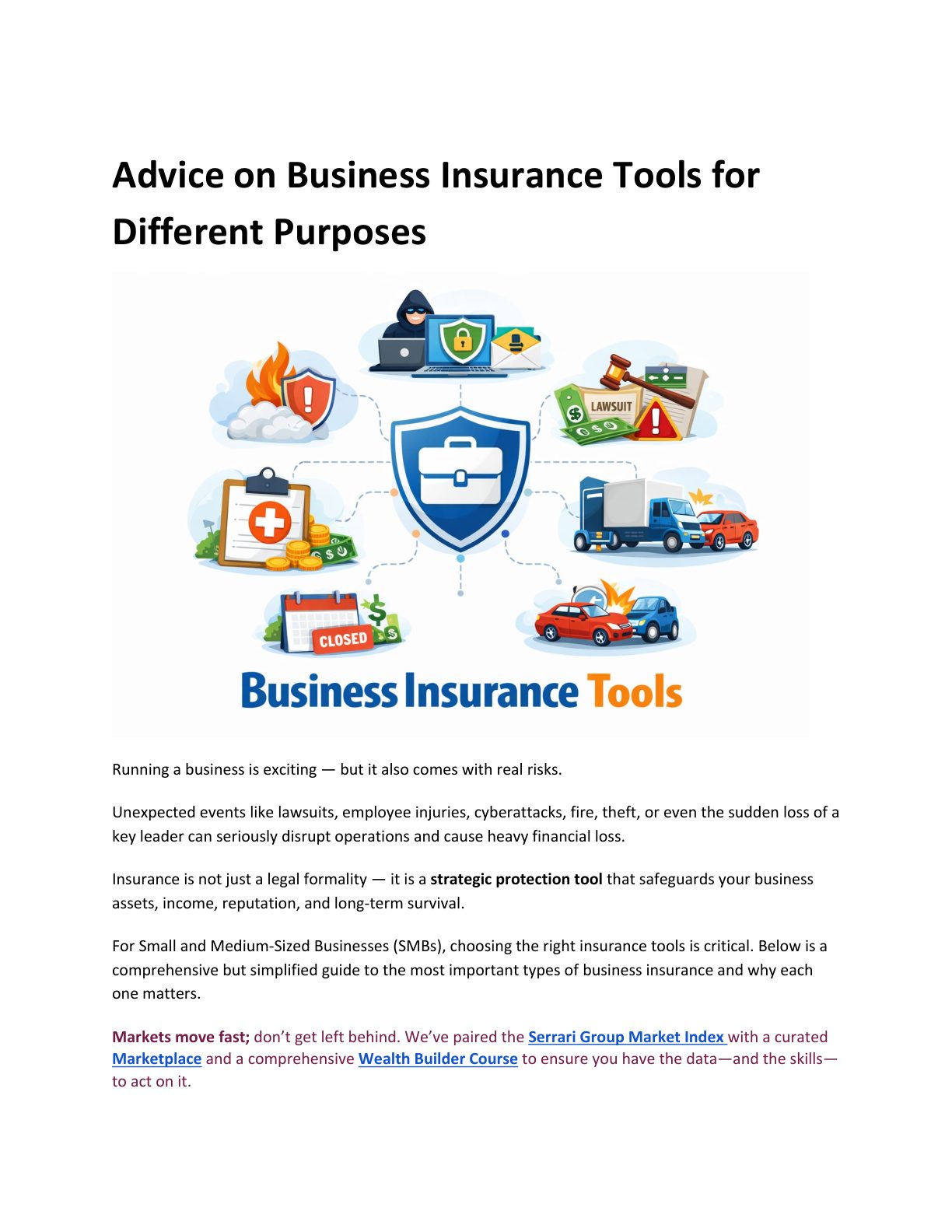
1⃣ Property & Equipment Insurance
Covers:
- Buildings
- Machinery
- Tools
- Inventory
Essential for:
Manufacturing, retail, logistics, hospitality.
Without it:
Operational shutdown risk increases.
2⃣ Business Interruption Insurance
Protects income when operations stop due to covered events.
Example:
Fire damages facility → operations pause → revenue stops.
This coverage:
Replaces lost income during recovery.
Many businesses overlook this — until it’s too late.
3⃣ Key Person Insurance
If a founder or executive becomes unable to work:
- Revenue may decline
- Investors may lose confidence
- Operations may stall
Key person insurance protects against leadership risk.
4⃣ Cyber Insurance
Modern businesses rely on:
- Digital platforms
- Customer data
- Online payments
Cyber attacks can:
- Freeze systems
- Cause financial loss
- Damage brand reputation
Cyber insurance reduces digital risk exposure.
5⃣ Liability Insurance
Protects against:
- Legal claims
- Customer injuries
- Product defects
- Professional errors
Legal costs can destroy small businesses.
Protection reduces catastrophic risk.
Revenue-generating assets need both insurance protection and careful business succession planning.
How to Identify Priority Assets
Ask:
- Which asset generates the most revenue?
- What would stop operations immediately?
- What risks are industry-specific?
- What events would cause major financial damage?
Not all assets require equal coverage.
Prioritize by impact.
Pair your asset protection strategy with a broader business financial plan.
Low Impact + Low Probability → Monitor only

Insurance must be strategic.
Common Insurance Mistakes
❌ Under-insuring key assets
❌ Ignoring business interruption coverage
❌ Over-insuring non-critical assets
❌ Not reviewing policies annually
❌ Failing to adjust coverage as business grows
Insurance should evolve with scale.
Identify High-Impact Assets
- Assess Risk Exposure
- Secure Strategic Coverage
- Review Annually
= Business Continuity
Businesses fail from:
- Revenue decline
- Cost mismanagement
- Cash flow collapse
- Uninsured risk events
Insurance protects the fourth.
Protect assets.
Protect revenue.
Protect longevity.
Round out your risk management by exploring the difference between cash flow, savings, investments, and insurance.
Speak with a Serrari advisor to review your business risk exposure and coverage gaps.
Also read advice on business insurance tools.